


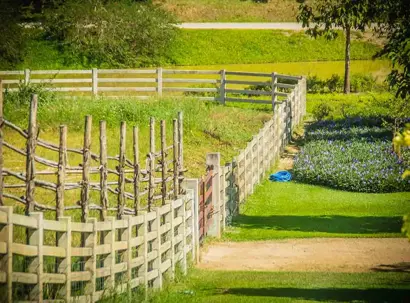
Fence installation costs between $6 and $50 per linear foot on average, with most homeowners paying somewhere between $1,800 and $4,800 for a full project. The final number depends on the material you pick, how tall and long the fence is, what your yard looks like, and where you live. According to Angi, the national average for fence installation in 2026 is about $3,266.
This guide breaks down what every fence material costs per foot, what drives the price up or down, how long each type of fence lasts, and how to avoid the most common mistakes homeowners make. Whether you want a simple chain link border or a full backyard privacy fence, you will know exactly what to expect before you call a contractor.
What Is the Average Price to Install a Fence?
The average price to install a fence in the United States is about $3,266, according to Angi's 2026 cost data. Most homeowners spend between $1,858 and $4,827 for a complete project. Some smaller jobs come in as low as $400, while large or complex installations can reach $13,700 or more.
That wide range exists because fence projects are not one-size-fits-all. A short stretch of chain link along a flat property line is a very different job than 300 feet of six-foot cedar around a sloped backyard. According to HomeAdvisor, the average cost per linear foot for materials and labor combined falls between $6 and $50, with $23 per linear foot being a common midpoint for residential projects.
Labor alone typically makes up about 50% of the total bill. Angi reports that professional fence installers charge between $30 and $80 per hour, and most crews can finish 150 to 200 linear feet in 20 to 35 hours.
How Much Does Fence Installation Cost by Material?
The material you choose has the single biggest impact on your total cost. Here is what each common fence type costs per linear foot in 2026, fully installed.
Wood Fence Installation Cost
A wood fence costs about $20 to $50 per linear foot installed, according to HomeGuide's 2026 data. Wood is one of the most popular fencing materials in the country because it looks great, offers solid privacy, and works with almost any property style. Cedar tends to cost more than pine or spruce, but it resists rot and insects better without chemical treatment. According to Ergeon's analysis of over 32,000 completed wood fence installs, the median wood fence project in 2026 lands at about $3,313.
Keep in mind that fence style matters more than most people expect. Ergeon's data shows that a picture frame design runs about 43% more per foot than a basic nail-up style, and horizontal board styles run 82% more. So two wood fences using the same lumber can have very different price tags depending on the design.
Vinyl Fence Installation Cost
Vinyl fencing costs about $20 to $60 per linear foot installed. Vinyl costs more upfront than wood, but it does not rot, warp, crack, or need staining. According to HomeGuide, a standard vinyl privacy fence project runs between $4,000 and $12,000 total. Many homeowners choose vinyl because it lasts 25 to 35 years with almost zero maintenance, according to durability data from NMI Fence.
Chain Link Fence Installation Cost
Chain link is the most affordable fence material on the market. It costs between $5 and $15 per linear foot installed, according to Scheiderer Fence's 2026 pricing guide. Chain link works well for large yards, pet areas, and commercial properties where privacy is not the main goal. A galvanized chain link fence can last 15 to 25 years, according to Fortress Inc.
Aluminum Fence Installation Cost
An aluminum fence costs about $20 to $45 per linear foot installed. Aluminum gives you the look of ornamental steel without the rust risk. It is a great option for pool areas, front yards, and decorative borders. Aluminum fences can last 30 to 50 years because they do not corrode the way steel or iron can, according to Fortress Inc.
Ornamental Steel Fence Installation Cost
Ornamental steel costs about $25 to $55 per linear foot installed, according to Mr. Handyman. It is one of the most durable fencing materials available, with a lifespan that can exceed 50 years when properly maintained. The higher price comes from the complexity of manufacturing and installation. Ornamental steel does need a rust-resistant finish every few years to stay in top shape.
Steel Fence Installation Cost
Steel fencing runs between $17 and $90 per linear foot installed, according to Mr. Handyman. Steel is one of the strongest fencing materials you can buy. It works especially well for commercial properties and high-security areas. The price range is wide because steel comes in many gauges and styles, from basic tubular panels to heavy-duty security fencing.
Fence Installation Cost Comparison Table
| Material | Cost Per Linear Foot (Installed) | Average Total (150 ft) | Lifespan | Maintenance Level |
|---|---|---|---|---|
| Chain Link | $5 - $15 | $750 - $2,250 | 15 - 25 years | Low |
| Wood | $20 - $50 | $3,000 - $7,500 | 15 - 20 years | Medium to High |
| Vinyl / PVC | $20 - $60 | $3,000 - $9,000 | 25 - 35 years | Low |
| Aluminum | $20 - $45 | $3,000 - $6,750 | 30 - 50 years | Low |
| Ornamental Steel | $25 - $55 | $3,750 - $8,250 | 50+ years | Medium |
| Steel | $17 - $90 | $2,550 - $13,500 | 20 - 30+ years | Medium |
Sources: HomeGuide (2026), Mr. Handyman, Scheiderer Fence (2026), Fortress Inc., NMI Fence, Fixr.com
What Is the Cost of a 6 Ft Privacy Fence?
The cost of a 6 ft privacy fence ranges from about $15 to $50 per linear foot installed, depending on the material. A standard 150-linear-foot wood privacy fence typically costs between $2,400 and $3,300 fully installed, according to Scheiderer Fence. Vinyl privacy fencing for the same length runs between $4,500 and $6,750.
Height plays a real role in pricing. A six-foot fence uses more material than a four-foot fence, and it catches more wind, which means posts need to be set deeper. According to Barrier Boss USA, going from a four-foot fence to a six-foot fence adds about 20% to 30% to the total cost because of the extra materials and the added wind resistance the taller panels need to handle. We install plenty of privacy fences, and height is always one of the first things we talk about with homeowners.
Here in the Akron, Ohio area, six-foot panels are by far the most common choice for backyard fences.
How Much Does It Cost for 200 Feet of Fencing?
The cost for 200 feet of fencing depends entirely on the material. At the low end, 200 feet of chain link fencing costs about $1,000 to $3,000 installed. For wood, expect to pay $4,000 to $10,000. Vinyl runs about $4,000 to $12,000 for 200 linear feet. Ornamental steel or steel can push past $10,000 to $18,000 for the same length.
These numbers come from multiplying the per-linear-foot costs reported by HomeGuide and Angi in 2026. Longer runs of fence sometimes bring the per-foot price down slightly because contractors can work more efficiently in straight lines with fewer corners and gates.
What Factors Affect the Cost to Install a Fence?
Material and length are the biggest drivers, but several other factors can push your total up or down.
Fence Height and Style
Taller fences cost more because they use more material and require deeper post holes. A three-foot picket fence costs far less than a six-foot solid privacy panel. According to Ergeon, horizontal board fence styles run about 82% more per foot than basic vertical nail-up styles, even when the wood species is the same.
Labor Costs
Labor typically makes up about 50% of the total project cost, according to Bob Vila. Angi reports that professional fence installers charge between $30 and $80 per hour. Urban areas run significantly higher than rural areas. According to Scheiderer Fence, urban labor rates are 40% to 60% higher than rural rates. A fence that costs $4,000 in rural Ohio might cost $5,500 to $6,000 in a major metro area for the same materials and length.
Gates
Adding a gate increases the total cost by $150 to $1,085, according to HomeGnome. A standard four-foot-wide pedestrian gate costs less than a double-wide driveway gate. Gate hardware, latches, and hinges also add to the bill. Most residential fences need at least one gate, so factor that into your budget from the start.
Permits and Inspections
Most cities require a permit for fence installation, especially for fences over six feet tall. Permit fees typically range from $50 to $200, according to Scheiderer Fence. Some cities now charge additional impact fees of $100 to $500 in 2026. Always check with your local zoning office before work begins.
Site Preparation and Old Fence Removal
If your yard has slopes, trees, or an old fence that needs to come down first, those costs add up. Removing an existing fence costs about $3 to $7 per linear foot, according to multiple sources. Land grading can run $400 to $6,000 depending on the size and slope of the property. Tree removal near the fence line adds $200 to $2,000 depending on the size of the tree.
What Is the Cheapest Fence to Install?
The cheapest fence to install is chain link. At $5 to $15 per linear foot installed, chain link costs a fraction of what wood, vinyl, or metal fences cost. For homeowners who need to fence a large area on a tight budget, chain link is the most practical option. A 150-foot run of basic galvanized chain link can come in under $2,000 fully installed.
Wire fencing and split-rail fencing are also affordable options for rural properties, but they do not offer privacy or security the way a solid panel fence does. For a budget-friendly option that still gives you some privacy, adding privacy slats to a chain link fence is a common workaround.
Is It Cheaper to Build a Fence or Buy Panels?
It is usually cheaper to buy pre-built fence panels than to build a fence board by board. Pre-built panels save a significant amount of labor time because contractors can install them faster. Building a custom fence from individual boards gives you more design flexibility, but it takes more hours and therefore costs more in labor.
According to Angi, a professional crew finishes a standard fence installation in 20 to 30 hours using panels. A custom board-by-board build takes longer and pushes labor costs higher. The trade-off is that panels come in fixed sizes, so they may not work perfectly on uneven terrain or with unusual property lines. On flat, straightforward lots, panels are almost always the more affordable route.
How Much Would It Cost to Put Up My Own Fence?
Putting up your own fence costs roughly 30% to 50% less than hiring a professional because you eliminate the labor expense. According to Angi, a DIY fence installation takes about 40 to 50 hours, compared to 20 to 30 hours for a professional crew. You also need to rent or buy tools like a post-hole digger, drill, circular saw, and level.
According to HomeGnome, the tool and equipment cost for a DIY wood fence installation runs about $416 if you do not already own the necessary gear. That does not include the cost of materials. DIY makes the most sense for simple, short fences on flat ground. For tall privacy fences, large properties, or yards with slopes, hiring a professional is the safer bet. Improperly set posts can cause a fence to lean or fail within just a few years.
What Is the Best Type of Fence?
The best type of fence depends on what you need it to do. For privacy, wood and vinyl are the most popular choices. For security with a decorative look, ornamental steel and aluminum are hard to beat. For affordability over a large area, chain link wins.
According to the National Association of Realtors' Remodeling Impact Report, 35% of homeowners say functionality is the most important factor in a remodeling project, while 22% say durable, long-lasting materials matter most. That lines up with what we see every day. Most homeowners want a fence that serves a clear purpose, whether that is keeping kids safe, blocking noise from a busy road, or just adding a clean border to their yard.
If you are deciding between materials, think about three things: your budget today, how much maintenance you are willing to do over the years, and how long you plan to stay in the home. A vinyl fence costs more upfront but lasts 25 to 35 years with almost no upkeep. A wood fence costs less upfront but needs staining or sealing every two to three years to stay in good shape.
What Is the Lifespan of a Fence?
The lifespan of a fence depends on the material and how well it is maintained. According to Fixr.com, a wood fence lasts about 15 years on average before it needs replacement, though cedar and pressure-treated wood can push that to 20 years or more with regular care. Chain link lasts about 20 to 25 years. Vinyl lasts 25 to 35 years. Aluminum lasts 30 to 50 years. Ornamental steel can last over 50 years with proper rust prevention.
Climate plays a big role too. Fences in wet, humid areas break down faster than fences in dry climates. According to Buzz Fence, moisture is one of the biggest threats to fence longevity, especially for wood. Proper post setting, drainage, and timely repairs can add years to any fence.
What Are Common Fencing Mistakes to Avoid?
Common fencing mistakes to avoid include skipping the permit, ignoring property lines, setting posts too shallow, and choosing the cheapest material without thinking about long-term costs.
Not pulling a permit is one of the most expensive mistakes a homeowner can make. If your city finds out you built a fence without a permit, you could face fines or be forced to tear it down. According to Scheiderer Fence, permit fees usually run just $50 to $200, so the cost of doing it right is small compared to the risk.
Setting posts too shallow is another common problem. According to most building codes, fence posts should be buried at least one-third of their total length. A six-foot fence needs posts that are buried at least two feet deep. In cold climates, posts need to go below the frost line to prevent heaving.
Skipping the property survey is risky too. If you build your fence even a few inches over the property line, your neighbor can legally ask you to move it. A boundary survey costs $250 to $1,000, according to Barrier Boss USA, but it prevents much bigger problems down the road.
Finally, picking the cheapest material without thinking about lifespan can cost you more in the long run. A fence that lasts 15 years and needs replacing costs more over 30 years than a slightly more expensive fence that lasts 30 years with no maintenance.
Does a Fence Increase Home Value?
Yes, a fence can increase your home's value. According to FastExpert, homeowners see an average return on investment of 50% to 70% on their fence installation when they sell. Data from the National Association of Realtors (2024) shows that adding a fence can boost a home's resale value by up to 7%, especially when it improves curb appeal and blends with the surrounding neighborhood.
Remodeling Magazine's 2024 Cost vs. Value Report found that 90% of the projects with the highest ROI were exterior home improvements, according to Angi. A well-installed fence falls squarely in that category. It adds privacy, security, and visual appeal, all things that buyers look for. For commercial properties, fencing adds security and a clear property boundary, both of which buyers and tenants value.
Frequently Asked Questions
What Is the Cheapest Way to Make a Fence Private?
The cheapest way to make a fence private is to add privacy slats, mesh screens, or bamboo rolls to an existing chain link fence. These add-ons cost far less than replacing the entire fence. Privacy slats fit directly into the chain link weave and block most of the view. Reed or bamboo rolls attach to the outside of the fence and create a natural-looking screen.
How Much Is 20 Feet of Fencing?
Twenty feet of fencing costs about $120 to $1,000 installed, depending on the material. At the low end, 20 feet of chain link runs about $100 to $300. Wood costs about $400 to $1,000. Vinyl costs about $400 to $1,200. These estimates are based on the per-linear-foot averages reported by HomeGuide in 2026.
How Long Does Fence Installation Take?
Fence installation takes about 20 to 35 hours for a professional crew working on a standard residential project, according to Angi. That usually translates to one to three days on site. Larger properties, difficult terrain, or complex designs can take longer. DIY installations typically take 40 to 50 hours or more.
Do You Need a Permit to Install a Fence?
Most cities and towns require a permit to install a fence, especially if it is over four to six feet tall. Permit fees typically range from $50 to $200. Some municipalities also require a property survey before issuing a permit. Always check with your local building department before starting work to avoid fines or forced removal.
How Far Apart Should Fence Posts Be?
Fence posts should be spaced six to eight feet apart for most residential fence types. Posts that are too far apart cause panels to sag or warp over time. Posts that are too close together add unnecessary material cost. The exact spacing depends on the fence material and the wind load in your area.
Does Fence Height Affect Installation Cost?
Yes, fence height directly affects installation cost. A six-foot fence costs 20% to 30% more than a four-foot fence of the same material, according to Barrier Boss USA. Taller fences need more material, deeper post holes, and stronger posts to handle wind pressure. Most residential privacy fences are six feet tall, while front yard and decorative fences are typically three to four feet.
Putting It All Together
A fence is one of those home improvements that pays for itself in privacy, security, and property value. The total cost depends on the material, the size of the project, your yard's conditions, and where you live. Chain link is the most affordable option. Wood and vinyl are the most popular. Aluminum and ornamental steel last the longest with the least fuss.
The smartest move is to get a clear quote that accounts for your specific property, including gates, permits, and any site prep that needs to happen first. We help homeowners across the Akron area walk through every option so there are no surprises. If you are ready to get started, Stand Strong Fencing is here to help. Give us a call at (330) 899-3278 or request a free consultation to find the right fence for your home.