Wood Fencing in Lexington KY
A wood fence changes the feel of a Lexington property faster than almost anything else you can build outside. One week the yard is open to every passing dog walker, every set of headlights, every awkward wave over the patio table. A week later it feels framed, settled, and intentional. In a city where one block might hold a brick ranch, the next a newer subdivision, and the next a deeper lot backing to trees or pasture, wood fencing in Lexington KY keeps making sense because it can be shaped to the property instead of forcing the property to fit the fence.
Stand Strong Fencing serves Lexington with wood fence installation and repair for homeowners who want something sturdy, useful, and good-looking from day one. Some customers want full privacy. Some want a decorative border that still feels open. Some are replacing a tired fence with posts that have started to lean after another stretch of wet Kentucky weather. Wood remains one of the most flexible ways to solve those problems without making the yard look cold or overbuilt.
Why wood still fits Lexington better than a lot of people expect
Lexington has plenty of homes where a metal or vinyl fence would work fine, but wood often feels more at home with the landscape. It looks right beside mature trees in older neighborhoods, behind newer homes in growing subdivisions, and along back lot lines where a softer, more natural material blends better than something glossy or industrial. Around areas like Beaumont, Andover, and parts of Chevy Chase, wood fencing can feel less like an add-on and more like it belonged there all along.
That matters because a fence is always doing two jobs at once. It has to perform, but it also has to live in public view. Even backyard fencing affects the way the whole property reads from the street, from neighboring windows, and from the patio. A well-built wood fence has warmth to it. It softens property lines instead of shouting them.
The style decision is not just about privacy
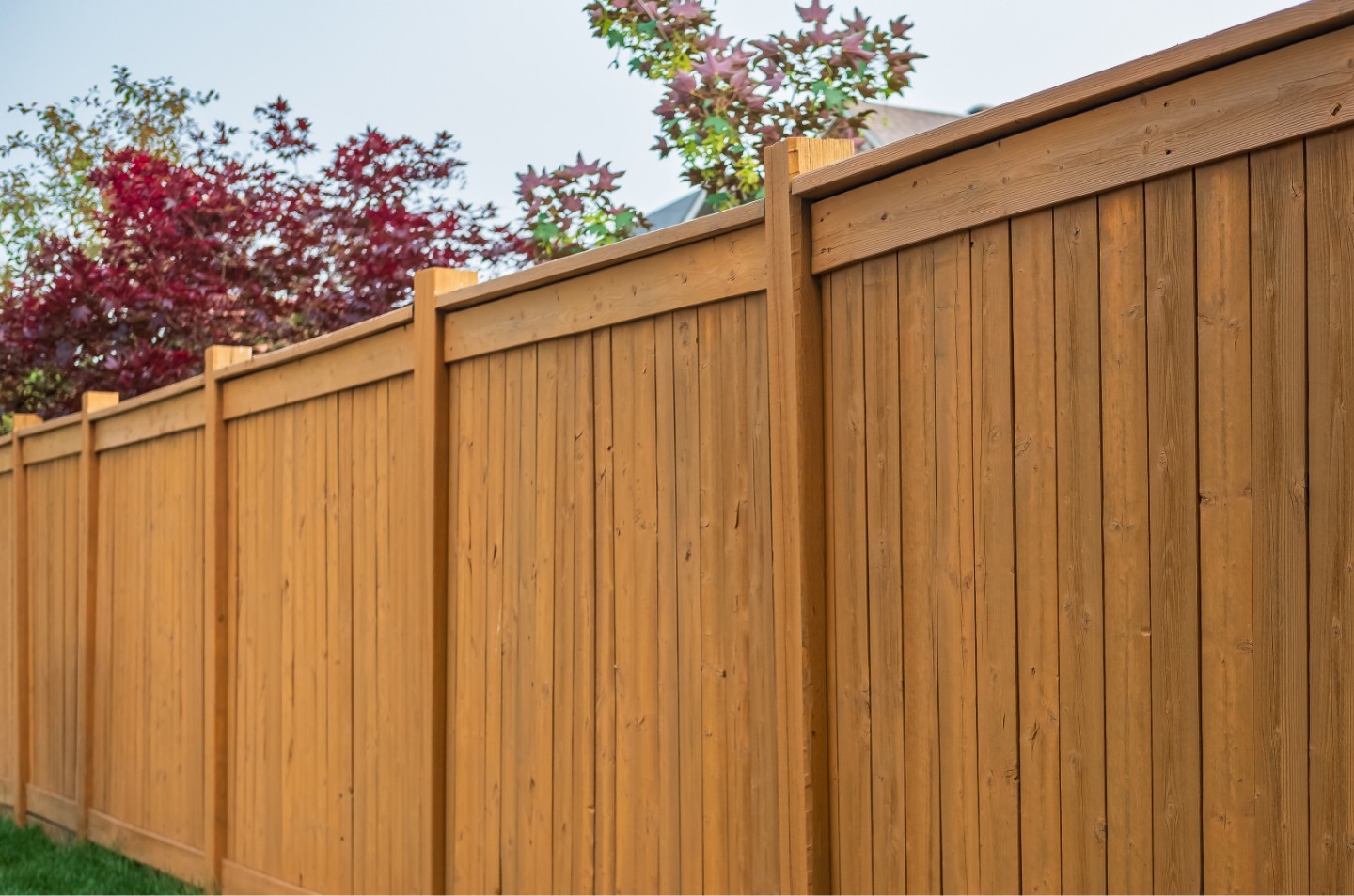
A lot of property owners start with one thought: “I need a privacy fence.” Sometimes that is exactly the answer. But with wood, the style conversation can go much further. Shadowbox designs allow airflow and visual texture. Board-on-board layouts create stronger coverage from multiple angles. Classic picket fencing can define a front yard without making the house feel shut off. Horizontal wood fencing can give a cleaner, more modern look when the architecture supports it.
In Lexington, those choices are often shaped by neighborhood expectations as much as personal taste. Some HOA communities around Hamburg or newer developments off Man O’ War may have rules about height, finish, or which side of the fence faces outward. In older parts of town, the concern may be keeping the fence in character with the home rather than checking a subdivision guideline. A good contractor does not treat all wood fences like the same rectangle repeated over and over. The layout, height, spacing, and finish need to fit the property’s context.
What Kentucky soil and slope can do to a wood fence
A wood fence in Lexington is not just sitting on pretty grass. It is dealing with Bluegrass conditions that can be deceptively tough on installation. Clay-heavy soil can hold water, then tighten and shift as it dries. Yards that look level from the deck often reveal subtle grade changes once a fence line is marked. On sloped lots, especially where drainage moves toward the rear of the property, post depth and placement become more important than many homeowners realize.
This is where quality installation separates a fence that stays true from one that starts telegraphing problems early. Gates are especially unforgiving. If posts are not set properly or the line is rushed across uneven ground, the first sign may be a gate that drags, sticks, or slowly pulls out of square. Wood fencing in Lexington KY needs to be built for the actual site conditions, not for an imaginary flat yard drawn on a clipboard.
Choosing the right wood and finish for the local climate
Wood is not one single material. The species, cut, and finish all affect how the fence will age. In Kentucky, humidity, rain, freeze-thaw cycles, and summer sun all get a vote. That is why material selection should not be reduced to whichever boards happen to be cheapest that week.
Some homeowners want the clean look of fresh natural wood and plan to stain it later. Others want a fence that can be finished sooner for more color control and surface protection. A stain can deepen the tone, help the fence sit better against the house and landscaping, and slow down the weathered-gray look that untreated wood takes on over time. Paint is another option in the right setting, though it usually comes with different long-term maintenance expectations.
The point is not to oversell upkeep. It is to be honest about it. Wood rewards people who like character and flexibility, but it does ask for attention over the years. The tradeoff is that few fencing materials can match wood for custom appearance, repairability, and neighborhood fit.
Repairs make sense when the right parts of the fence still have life left
Not every wood fence problem means starting over. In many cases, the issue is isolated: a few failing posts, a sagging gate, storm-damaged sections, loose rails, or boards that have warped and pulled away. If the overall fence structure is still worth saving, targeted repair can buy meaningful time and restore both function and appearance.
That said, patchwork only helps when the underlying structure is still dependable. A fence with widespread post failure or repeated moisture damage along the same run may be telling you the installation or drainage was wrong from the beginning. Good repair work means looking past the obvious broken board and asking why that section failed first. Otherwise, the fence becomes a revolving door of small fixes that never really solve anything.
Wood fencing for backyards, side yards, and corner lots
Lexington properties are rarely all cut from the same pattern. Some have tidy rear yards in subdivisions. Others have wider side yards, pie-shaped lots, or corner exposures that make privacy harder to achieve. Wood is especially useful in these situations because it can adapt to awkward geometry without looking pieced together.
Corner lots are a good example. They often need more thoughtful fence placement because the yard is visible from multiple directions and may have more exposure to traffic, sidewalks, or neighboring sightlines. A wood fence can be designed to create privacy where it is needed most while still keeping the layout attractive and practical. On deeper lots near the edge of town, wood can also help transition from home space to open land in a way that feels more natural than harsher materials.
How wood fencing supports everyday life at home
The best fence projects usually start with ordinary, lived-in reasons. The dog bolts when the delivery van stops. The patio backs up to a shared green space. The kids are old enough to play outside without being watched every second, but the yard still needs a clear edge. The grill setup, the garden beds, the hot tub, the trash can area, the side gate everyone forgets to latch properly, these are the real details that shape the right fence.
Wood works well here because it can be customized around how people actually use their space. Gate width can be planned for mower access. Fence height can be adjusted for privacy near a seating area while staying more open elsewhere. Decorative details can be kept simple or made more expressive depending on the home. A fence should feel like part of the property’s routine, not an obstacle dropped into it.
Why craftsmanship matters more with wood than with almost any other fence type
Wood is forgiving in some ways and demanding in others. It offers design freedom, but it also shows bad workmanship quickly. Uneven tops, inconsistent spacing, weak gate framing, and sloppy transitions along grade changes are easy to spot. What looks charming when done well can look rough and temporary when done badly.
That is why professional installation matters so much with this material. The cuts need to be clean. The line needs to make visual sense with the house and lot. The posts need to be set for long-term stability, not just for a fast install. At Stand Strong Fencing, that attention to detail is part of the value. A wood fence should look solid on day one and keep that sense of order after the first heavy rain, the first humid summer, and the first hard winter swing.
Serving Lexington properties with a more tailored approach to wood fencing
Serving Lexington means understanding that a wood fence behind a family home in Hartland may call for something very different than a fence around a bungalow lot near downtown or a larger property edging toward the county line. The right answer changes with lot shape, neighborhood rules, privacy needs, and how visible the fence will be from the street and surrounding homes.
That local perspective helps keep the project grounded. It is not just about selling a standard fence panel and moving on. It is about building a wood fence that fits the place, holds up to local conditions, and makes daily life easier. If you are comparing options for wood fencing in Lexington KY, Stand Strong Fencing can help you think through style, layout, repairs, or full replacement and give you a clear next step for the property you have.

-
"Awesome experience. Fast service and very responsive. Highly recommended."- Brian Davis
-
"Did what they said they would do, at the price they quoted, on the day they said they would be there. You really can't beat that these days."- Steve Keogh