


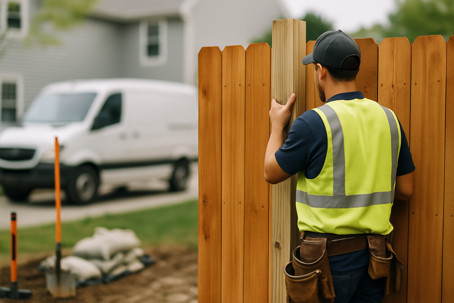
If you're weighing a new fence in Carmel, you're in good company. As the peak summer heat starts to ease, homeowners in neighborhoods like Village of WestClay and Brookshire North start pricing out residential fence work, and the timing is genuinely good: ground conditions right now are close to ideal for setting posts. What matters is picking materials and a design that can take what Carmel's climate hands them.
Why Residential Fence Services Matter in Carmel
Our climate is hard on outdoor structures. Cold winters and humid summers mean your fence has to handle both. Freezing temperatures cause materials to contract and expand, which turns into structural problems if the install didn't account for it. Humid summers drive moisture accumulation, which shows up as rot in wood and rust in untreated metal.
Soil is the other half of the equation. Local composition ranges from sandy to clay-heavy, and clay retains water, which pushes posts out of plumb over time. Concrete footings and moisture-resistant post treatment are what keep that from happening. Homeowners in Gray Oaks and Cherry Tree Grove also have HOA regulations to work around, which can dictate material, height, style, and sometimes color.
Choosing materials tested for durability in both extreme cold and heat makes a real difference to how long the fence lasts. A local contractor who has already dealt with Carmel soil and Carmel winters is going to steer you better than a general recommendation will.
Material and Style Comparison
| Material | Durability | Maintenance | Cost per linear foot | Best use case |
|---|---|---|---|---|
| Wood | Moderate; needs regular attention | High; staining or painting | $15–$30 | Privacy, traditional look |
| Vinyl | High; resistant to weathering | Low; easy to clean | $20–$40 | Low-maintenance privacy |
| Aluminum | Very high; rust-resistant | Very low; occasional cleaning | $25–$50 | Ornamental and pool fencing |
| Chain link | High; galvanized for rust resistance | Low; minimal upkeep | $10–$20 | Security and boundary marking |
Wood
A classic for good reason. Wood fencing takes stain or paint in any color that works with your exterior, and it can be dressed up with lattice tops or carved posts. It also asks the most of you. In Carmel's humidity, use treated wood and reseal on schedule or you'll be fighting rot and insects. Cedar and redwood resist decay naturally but cost more up front.
Vinyl
Vinyl fencing doesn't warp, rot, or need painting, which is most of why it has taken off. It comes in enough styles and colors to cover most design preferences, and it can mimic wood convincingly. The smooth surface and lack of sharp edges make it a practical pick for families with kids or pets. Initial cost runs higher than wood, and sustained extreme cold can make it brittle over many years.
Aluminum
Aluminum fencing is strong and rust-resistant, which makes it a good match for pool enclosures and garden borders. It won't give you privacy the way wood or vinyl will, but powder-coated finishes keep it looking sharp with almost no upkeep, and it can be specified with spear-topped pickets or security gates. It's light, so installs go faster and labor costs come down.
Chain link
Chain link fencing is the economical way to secure a boundary, especially over long runs. Galvanized coating handles our climate fine. Privacy slats or colored vinyl coating improve the look considerably, and climbing plants turn a plain run into a garden feature.
Installation Process
- Property assessment: We walk the property, measure, assess soil type, and flag obstacles like trees, utility lines, or uneven terrain. We also look at wind exposure and sun, since high-wind areas need sturdier materials and reinforced post settings.
- Utility marking: Before any digging, water, gas, electrical, and communication lines get located and marked. We plan the route around them rather than discovering them with a post hole digger.
- Permitting: We prepare the plans and handle submissions to the relevant authority and your HOA, which keeps the project from stalling on paperwork.
- Installation: Posts get set in concrete where the material and soil call for it, panels get assembled, and every component gets fastened properly. Gates should swing smoothly and latch securely, and we don't consider a job done until they do.
- Walkthrough: We inspect the finished fence with you, make adjustments, and go over maintenance so you know how to keep it looking right.
- Warranty registration: We register your fence under the Stand Strong Lifetime Workmanship Warranty, which covers workmanship defects and comes with ongoing support if anything comes up.
If your project is a replacement rather than a first install, our guide to fence replacement in Carmel covers what changes about that process.
Local Permitting and Regulations in Carmel
Fence installation in Carmel comes with local requirements, and they vary by neighborhood. Check with the Carmel Building Department for current guidelines before anything gets ordered, because fixing a non-compliant fence after the fact is expensive. Homeowners in subdivisions like Cool Creek Estates and Kingswood should pull their HOA rules too, which commonly govern height, style, and placement.
The underlying framework comes from model codes. The International Code Council code library publishes the residential provisions that local building departments adopt and amend, including the barrier requirements that apply to pool fencing.
We work with local authorities on these submissions regularly, so we stay current on what's actually being enforced rather than what a three-year-old forum post says. Handling the permits on your behalf is part of the job.
Local Neighborhoods We Serve
- Village of WestClay
- Brookshire North
- Gray Oaks
- Cherry Tree Grove
- Cool Creek Estates
- Kingswood
Each has its own character, and that shapes the recommendation. Village of WestClay leans traditional, where a classic wood fence fits the architecture. Brookshire North skews modern, where aluminum or vinyl reads better. Industry-wide installation and construction standards are published by the American Fence Association, and they're the baseline we build to regardless of neighborhood.
What Local Expertise Looks Like
Hiring locally means the crew already knows what Carmel soil does to a post over five winters. We source materials suited to this climate, work within regional aesthetic standards, and account for the specific challenges local soil types and weather patterns create. Our Stand Strong Lifetime Workmanship Warranty backs that up.
If you're still evaluating contractors, we wrote up what a good fence contractor in Carmel actually does, which is a useful checklist whether or not you end up hiring us.
Why Late Summer Is a Good Time to Install
Late summer into early fall is close to the optimal window here. Cooler weather means less stress on materials and better working conditions for the crew. The ground is still warm from summer, so it's easier to dig and posts go in faster. Scheduling now means the fence is up well before winter, and any landscaping adjustments can be made before spring growth starts.
Demand also drops off as the summer rush ends, which usually translates to more flexible scheduling. If you've been putting the project off, this is the part of the year where waiting stops helping you.
FAQ: Residential Fence Services in Carmel
How much does a wood fence cost in Carmel?
Typically $15 to $30 per linear foot depending on wood type and design, including basic materials and installation. Height, design complexity, and additions like gates or decorative elements move the number. Budget for maintenance too, since repainting and sealing are real recurring costs with wood that vinyl and aluminum don't carry.
Who installs fences near me in Carmel?
Stand Strong Fencing of Carmel handles residential fence installation across the area, along with repairs, maintenance, and consultations. If your existing fence is the problem rather than the absence of one, our guide to fence repair in Carmel covers when repair beats replacement.
What are the best materials for a fence in Carmel?
Vinyl and aluminum, on durability and maintenance. Vinyl balances style and practicality; aluminum gives you a more refined look with almost no upkeep. Wood still wins on appearance and privacy for a lot of homeowners, it just asks for more attention. The right answer depends on your budget, how much maintenance you're willing to do, and what your HOA allows.
Do I need a permit to install a fence in Carmel?
Usually yes. Check with the Carmel Building Department and your HOA for the specific requirements that apply to your address. Permits keep the installation compliant with zoning and community standards, and skipping them can mean fines or an order to alter or remove the fence. We handle this step for our customers.
Can I install a fence in winter in Carmel?
It's possible, but frozen ground complicates post setting and extreme cold affects how some materials behave. Late summer and fall are better windows. If winter is your only option, an experienced contractor who understands cold-weather construction can still get you a solid result.
About the Author
I'm Sean Kennedy, owner of Stand Strong Fencing of Carmel. After years serving this community, I know exactly what our climate does to a fence that wasn't built for it. My team and I run a family-oriented business, and we take the craftsmanship and the relationships with our neighbors seriously.
The technical side of fencing is only part of what I care about. Helping homeowners shape their property into something that fits how they actually live is the part that keeps the work interesting. If you want to talk through what's possible on your lot, reach out.
Ready to Talk About Your Fence?
Privacy, security, or curb appeal, the decision goes better with good information behind it. Understanding your material options, the styles that suit your neighborhood, and the local rules that apply is most of the work. If you want a second opinion on a quote or want to start from scratch, we're happy to help you sort it out.