


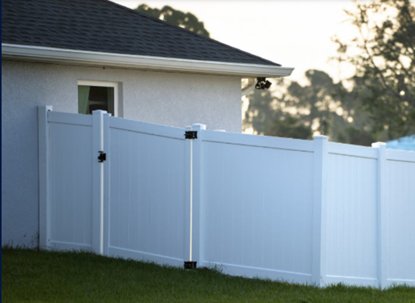
Not every backyard is perfectly flat. In fact, many properties throughout Durham, Chapel Hill, and surrounding North Carolina communities feature hills, uneven ground, and changes in elevation that can make fence installation more challenging.
If you're considering a new fence but aren't sure how it will work with your property's terrain, you're not alone. Sloped yards are common, and they don't have to prevent you from getting the privacy, security, or curb appeal you're looking for.
The key is choosing the right fencing materials, installation method, and design for your landscape.
At Stand Strong Fencing of Durham & Chapel Hill, we help homeowners find fencing solutions that complement their properties, even when the ground isn't level.
Can You Install a Fence on a Sloped Yard?
Absolutely. A fence can be installed on many types of sloped or uneven terrain. However, the installation process may be different from what you'd expect on a flat property.
When installing a fence on a hill, several factors need to be considered:
The steepness and direction of the slope
The type of fencing material
Soil conditions and drainage
The desired fence height
Privacy and security requirements
The appearance of the finished fence
Potential gaps between the fence and the ground
For homeowners in Durham and Chapel Hill, where properties can include wooded lots, rolling landscapes, and uneven backyards, proper planning is particularly important.
Two of the most common approaches to fencing sloped yards are stepped fencing and racked fencing.
Stepped Fencing vs. Racked Fencing: What's the Difference?
Understanding these two installation methods can help you determine which option might work best for your property.
Stepped Fencing
A stepped fence uses panels installed horizontally, with each section positioned at a different height as the fence follows the slope.
Rather than following the ground continuously, the fence creates a stair-step appearance.
Advantages of stepped fencing include:
Works with many traditional fence panel designs
Can accommodate significant changes in elevation
Creates a structured, uniform appearance
Offers flexibility with certain wood and privacy fence styles
However, stepped fencing can leave triangular gaps beneath some sections, particularly on steeper slopes.
These gaps may be a concern for homeowners with small pets or those seeking complete backyard privacy.
Racked Fencing
Racked fencing, sometimes called contoured fencing, follows the slope of the ground more closely.
Instead of keeping every panel perfectly horizontal, the fence rails or panels adjust to the property's incline.
Advantages of racked fencing include:
A smoother appearance along sloped terrain
Potentially smaller gaps beneath the fence
A natural look that follows the landscape
Compatibility with certain aluminum and other adjustable fencing systems
Not every fence product can be racked, and the amount of slope a particular system can accommodate varies.
A professional fence installer can evaluate your yard and explain which installation method makes the most sense.
What Is the Best Fence for a Sloped Yard?
The best material depends on the steepness of your property, your preferred appearance, and how you plan to use your outdoor space.
Wood Fencing for Sloped Yards
Wood is a popular choice for homeowners who want a traditional appearance and design flexibility.
Wood fencing can be customized to accommodate changes in elevation, making it suitable for many uneven properties.
Depending on the design, wood fences may be installed using stepped sections or custom construction that follows the terrain.
Wood is particularly appealing for homeowners interested in:
Backyard privacy
Traditional residential fencing
Custom fence heights and layouts
Natural materials that complement landscaping
However, wood requires periodic maintenance, especially in North Carolina's humid climate.
Aluminum Fencing for Uneven Terrain
Aluminum fencing is another option worth considering for sloped yards.
Certain aluminum fence systems are designed to rack, allowing panels to follow changes in elevation while maintaining an attractive appearance.
Aluminum fencing can be a good fit for homeowners who want:
An open view of their property
A decorative fence
Lower maintenance requirements
A durable material resistant to rust
A fence that complements landscaping
It's particularly attractive for properties where preserving views is more important than creating complete privacy.
Vinyl Fencing on a Slope
Vinyl fencing offers a clean appearance and relatively low maintenance requirements.
However, installing vinyl fencing on uneven ground requires careful product selection.
Some vinyl systems can accommodate modest slopes, while others may require stepped installation or specialized components.
If you're considering a vinyl privacy fence for a sloped backyard in Durham, it's important to determine whether the selected product can accommodate your property's elevation changes.
Chain-Link Fencing for Sloped Properties
Chain-link fencing can be a practical solution for larger or irregularly shaped properties.
Its flexibility and relatively open design make it useful for enclosing certain sloped areas, although steep terrain may require special installation techniques.
Chain-link fencing may be worth considering for homeowners who prioritize functionality, pet containment, or fencing larger sections of land.
How Do You Prevent Gaps Under a Fence on a Hill?
One of the biggest concerns with fencing a sloped yard is the space that can develop between the bottom of the fence and the ground.
This is especially important if you're installing a fence to keep children or pets within your yard.
Gaps can occur when horizontal fence panels are installed across uneven terrain.
Depending on the fence design and property conditions, possible solutions include:
Using a racked fencing system that follows the slope
Customizing the bottom of certain fence sections
Adjusting panel placement where appropriate
Incorporating suitable landscaping or ground-level features
Selecting a fence style better suited to the terrain
The right approach depends on the material and the amount of elevation change.
If you have a dog that likes to dig or squeeze through openings, be sure to discuss those concerns before installation.
A fence that looks beautiful but leaves an escape route underneath isn't accomplishing its intended purpose.
Why Drainage Matters When Installing a Fence on a Slope
Drainage is another important consideration for fence installation in Durham.
North Carolina experiences periods of heavy rainfall, and sloped properties can direct significant amounts of water downhill.
Poor drainage around fence posts may contribute to soil erosion, shifting, or premature deterioration of certain materials.
Before installing a fence, it's important to consider:
Where rainwater naturally flows
Whether erosion is already occurring
The condition of the soil
Areas where water collects
Whether landscaping or grading changes are planned
Fence posts need to be properly installed to account for local soil conditions and the demands placed on the fence.
A fence should also be designed with existing drainage patterns in mind rather than unintentionally creating new problems.
Should You Level Your Yard Before Installing a Fence?
Not necessarily.
Many homeowners assume they need to pay for extensive grading before installing a fence on uneven ground.
Fortunately, that's not always the case.
A properly designed fence can often accommodate the natural contours of a property without requiring the entire yard to be leveled.
In some situations, limited grading or landscape adjustments may be beneficial. However, major changes to the terrain can introduce additional costs and drainage considerations.
Before making significant changes to your yard, have a fencing professional evaluate the property.
You may discover that your existing landscape can accommodate a beautiful, functional fence with much less disruption than expected.
Does Installing a Fence on a Slope Cost More?
Fence installation on sloped terrain can cost more than installation on a comparable flat property, but the difference depends on the project.
Factors that may influence pricing include:
Slope severity: Steeper terrain can require more labor and specialized installation techniques.
Fence material: Some materials are easier to adapt to uneven ground than others.
Custom fabrication: Certain designs may require customized panels or additional materials.
Accessibility: Difficult terrain can make transporting equipment and materials more challenging.
Soil conditions: Rocky soil, erosion, or other ground conditions can affect installation.
Gate placement: Gates on uneven terrain may require additional planning or adjustments.
The best way to understand the cost is to request a professional estimate based on your property's actual conditions.
Don't Forget About Gates on Sloped Properties
Gates can be one of the trickiest parts of fencing an uneven yard.
Unlike a standard fence panel, a gate needs to open and close freely while maintaining appropriate ground clearance.
If a gate swings toward rising ground, it may scrape against the surface or become difficult to operate.
For sloped yards, gate planning should consider:
The direction the gate opens
Ground clearance throughout its swing
The width of the opening
Access for lawn equipment
Pedestrian traffic
Potential changes to nearby landscaping
Sometimes, moving a gate a short distance to a more level section of the yard can make a significant difference.
Planning gate locations before installation helps avoid inconvenient adjustments later.
Choosing a Fence That Complements Your Durham Property
A sloped yard doesn't have to be a design disadvantage.
In fact, fencing that follows the natural landscape can create an attractive architectural feature.
For wooded properties, an aluminum fence may preserve views of trees and surrounding greenery.
For residential backyards where privacy is the priority, a custom wood fence can create a more secluded outdoor environment.
For larger properties with varied terrain, combining different fence styles in appropriate areas may offer the best balance of appearance and functionality.
The goal is to select a fence that works with your property rather than forcing a design that doesn't suit the landscape.
Professional Fence Installation Makes a Difference on Uneven Ground
Installing a fence on a slope requires more than simply placing posts at regular intervals.
Accurate measurements, proper alignment, post placement, and material selection all contribute to the finished result.
Mistakes during installation can lead to uneven panels, excessive gaps, poorly functioning gates, or structural problems.
Working with an experienced fencing company helps ensure your fence is designed around the actual conditions of your property.
At Stand Strong Fencing of Durham & Chapel Hill, we offer customized fencing solutions for homeowners with a wide range of property layouts and landscaping challenges.
Our team can help you evaluate your options and select a fence that provides the appearance, durability, and functionality you're looking for.
Get a Quote for Sloped Yard Fencing in Durham, NC
Whether your backyard has a gentle incline or a more challenging hillside, you don't have to settle for a fence that looks uneven or doesn't meet your needs.
With the right materials and installation approach, a sloped property can accommodate a beautiful, functional fence that enhances your outdoor space.
Stand Strong Fencing of Durham & Chapel Hill provides professional fencing solutions for homeowners throughout Durham, Chapel Hill, Carrboro, Hillsborough, Morrisville, Pittsboro, and surrounding communities.
Our team can help you explore wood, vinyl, aluminum, chain-link, and other fencing options suited to your property.
Ready to improve your yard? Contact Stand Strong Fencing of Durham & Chapel Hill at (984) 267-4200 to schedule a free fencing estimate and discover the right solution for your landscape.