


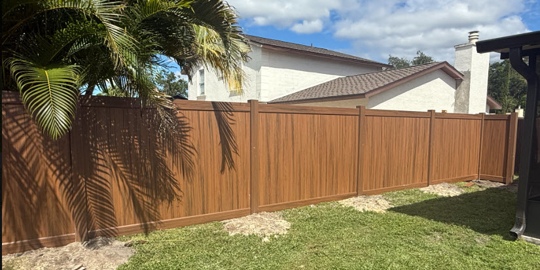
Living in Tampa means sunshine, salt air, humidity, sudden downpours, and the occasional tropical storm. While that climate is beautiful for backyard barbecues and pool days, it can be tough on your fence. Whether you have wood, vinyl, aluminum, chain link, or composite fencing, regular maintenance is the key to keeping it strong, safe, and looking its best year after year.
Here’s your complete guide to protecting your investment and extending the life of your fence in Tampa’s unique environment.
Why Fence Maintenance Matters in Tampa
In Florida, fences face a few consistent challenges:
Intense UV exposure that fades and weakens materials
High humidity that encourages mold, mildew, and rot
Frequent rain that saturates soil and affects posts
Sandy or shifting ground that can loosen foundations
Hurricane-force winds that test structural strength
Without routine care, even a well-installed fence can begin to lean, discolor, warp, or deteriorate faster than expected. Preventative maintenance is far more affordable than major repairs or full replacement.
Seasonal Fence Maintenance Checklist for Tampa Homeowners
Spring: Post-Storm Inspection
After winter fronts and early spring storms, walk your fence line and look for:
Loose or leaning posts
Cracked boards or panels
Rusted fasteners
Soil erosion around post bases
Gate misalignment
Catching small issues early prevents them from turning into structural problems during hurricane season.
Summer: UV & Moisture Protection
Summer in Tampa brings intense sun and heavy rain. This is when your fence takes the most punishment.
For wood fences:
Wash off dirt and mildew using mild detergent and water
Inspect for splintering or cracking
Apply a UV-protective sealant or stain if needed
For vinyl fences:
Clean with a soft brush and gentle cleaner to remove algae buildup
Check for brittleness or cracking from sun exposure
For aluminum or metal fences:
Inspect for rust spots
Sand and repaint small areas before corrosion spreads
For composite fencing:
Rinse debris and pollen buildup
Check for loose fasteners
Fall: Structural Check Before Storm Season Peaks
Late summer and early fall storms can shift posts or loosen hardware. This is the time to:
Tighten bolts and screws
Reinforce gate hinges
Ensure posts remain plumb
Trim back tree branches that could fall against fencing
Preventative reinforcement before a major storm can save thousands in repairs.
Winter: Cleaning & Planning
While Tampa winters are mild, this is a great time to:
Deep clean your fence
Schedule professional inspections
Plan staining, sealing, or upgrades before spring
Because fence companies are often less busy in winter, it can also be an ideal time to address repairs.
Material-Specific Maintenance Tips
Wood Fences
Wood fences require the most upkeep in Florida’s humidity.
Key tips:
Seal or stain every 2–3 years
Replace cracked or rotting boards promptly
Keep sprinklers from constantly soaking panels
Remove vines that trap moisture
If boards feel soft or spongy near the base, moisture damage may already be developing.
Vinyl Fences
Vinyl is popular in Tampa because it resists moisture and insects, but it still needs care.
Key tips:
Wash twice per year to prevent mildew stains
Avoid pressure washers set too high
Inspect for expansion-related cracking
Vinyl can become brittle over many years of UV exposure, so early crack repair prevents larger panel replacements.
Aluminum & Metal Fences
Metal fences are durable but vulnerable to corrosion in humid and salty air.
Key tips:
Check weld points annually
Touch up paint or powder coating immediately if chipped
Lubricate hinges to prevent rust buildup
Coastal Tampa neighborhoods may require more frequent inspections due to salt exposure.
Chain Link Fences
Chain link fences are low-maintenance but not maintenance-free.
Key tips:
Inspect tension wire and rails
Check for rust at ground contact points
Ensure posts remain stable in sandy soil
A small rust patch can spread quickly if not treated early.
Composite Fencing
Composite fencing combines durability with low upkeep.
Key tips:
Rinse periodically to remove pollen and dirt
Check brackets and hardware
Avoid harsh chemical cleaners
Though composite resists rot and insects, structural hardware still requires monitoring.
Don’t Forget the Gates
Gates experience the most movement and stress.
Tighten hinges annually
Ensure latches close securely
Check alignment if dragging occurs
Lubricate moving parts
A sagging gate often signals shifting posts or loose hardware.
Signs It’s Time for Professional Help
Call a professional fence contractor if you notice:
Multiple leaning posts
Extensive rot or rust
Widespread panel warping
Fence sections separating
Storm damage
A trained team can determine whether repairs are sufficient or if partial replacement is more cost-effective.
Hurricane Prep for Tampa Fences
Before a named storm approaches:
Secure loose boards or panels
Remove nearby outdoor furniture
Trim overhanging branches
Reinforce weak posts
After a storm, inspect immediately for shifting or hidden structural damage.
Simple Habits That Extend Fence Life
Keep landscaping trimmed away from panels
Avoid piling soil or mulch against fence bases
Redirect sprinkler heads
Clean debris after storms
Perform a full inspection at least twice per year
These small habits can add years to your fence’s lifespan.
Protecting Your Investment
A fence isn’t just a boundary line. It adds privacy, security, curb appeal, and value to your Tampa home. With the right care, many fencing materials can last decades.
Routine maintenance costs far less than replacement. A few hours each season can preserve both the beauty and strength of your fence — and keep your property looking polished year-round.
If you’re ever unsure about the condition of your fence or want expert guidance, a professional inspection can give you peace of mind and help you plan the next steps.
With Tampa’s climate, staying proactive isn’t optional — it’s essential. Keep your fence strong, secure, and looking great in every season.