


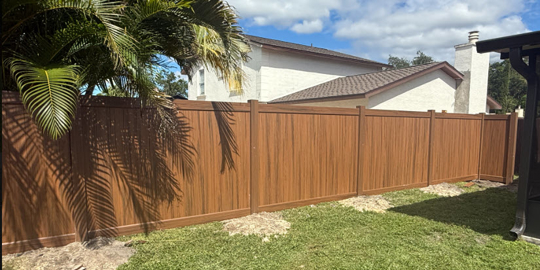
Living in Riverview means sunshine, warm temperatures, and beautiful outdoor living almost year-round. But it also means something else: humidity.
Florida’s high humidity levels aren’t just uncomfortable — they can quietly wear down your fence over time. Moisture in the air, frequent rainstorms, and long stretches of damp conditions create an environment where certain fencing materials struggle if they’re not properly chosen or maintained.
If you’re investing in a fence for your home or business, understanding how humidity affects it — and how to protect it — can save you money and frustration in the long run.
Why Humidity Is Such a Big Deal in Florida
Humidity refers to the amount of moisture in the air. In Riverview and throughout Hillsborough County, humidity levels stay elevated most of the year. Combine that with:
- Frequent summer thunderstorms
- Heavy seasonal rain
- Warm temperatures
- Limited winter freeze periods
And you have nearly constant exposure to moisture.
Unlike climates where materials dry out during colder months, Florida fences rarely get a long “break” from damp conditions. This continuous exposure can accelerate wear, especially for materials that absorb water.
How Humidity Affects Different Fence Materials
Not all fences respond the same way to Florida’s climate. Let’s break it down.
Wood Fencing: Beautiful but Vulnerable
Wood fencing is popular for its natural look and privacy. However, humidity can be challenging for wood if it’s not properly treated and maintained.
Common Humidity-Related Issues with Wood:
- Swelling and expansion
- Warping or twisting boards
- Rot and decay
- Mold and mildew growth
- Insect attraction
When wood absorbs moisture from the air, it expands. Over time, repeated expansion and contraction weakens the fibers. In Florida’s warm, damp environment, untreated or poorly sealed wood can begin to deteriorate much faster than in drier climates.
That doesn’t mean wood can’t work in Riverview — it just means maintenance is critical.
Vinyl Fencing: Resistant to Moisture
Vinyl fencing performs very well in humid environments because it does not absorb water.
Why Vinyl Handles Humidity Well:
- Non-porous material
- Resistant to rot and mold
- No warping from moisture absorption
- Minimal maintenance required
High-quality vinyl fencing is designed to resist moisture damage and withstand prolonged sun exposure. Occasional cleaning is usually enough to keep it looking sharp.
For homeowners who want low maintenance in Florida’s climate, vinyl is often one of the most reliable options.
Aluminum Fencing: Built for Moisture Resistance
Aluminum fencing is another strong performer in humid environments.
Because aluminum does not rust like untreated steel, and is typically finished with protective powder coating, it resists corrosion even in high humidity.
It’s especially popular for:
- Pool enclosures
- Decorative front yard fencing
- Properties exposed to frequent rain
Aluminum also allows airflow, which helps reduce moisture buildup around the structure.
Chain Link Fencing: Practical and Durable
Galvanized or vinyl-coated chain link fencing is well-suited for Riverview’s climate. Protective coatings help prevent corrosion, and the open design reduces moisture trapping.
Chain link fencing is often used for:
- Backyard containment
- Pet areas
- Commercial perimeters
With proper installation and quality materials, it offers long-term durability in humid conditions.
Composite Fencing: Modern Moisture Resistance
Composite fencing combines wood fibers and plastic polymers, creating a material that looks like wood but performs more like vinyl.
It resists:
- Rot
- Insect damage
- Moisture absorption
- Warping from humidity
For homeowners who love the appearance of wood but want less upkeep, composite is a strong option in Florida’s climate.
Signs Humidity Is Affecting Your Fence
It’s important to catch early warning signs before small issues turn into costly repairs.
Watch for:
- Discoloration or dark streaks
- Soft or spongy wood
- Warped boards
- Loose fasteners
- Mold or mildew buildup
- Leaning posts after heavy rain
If you notice these signs, addressing them quickly can extend the life of your fence.
How to Protect Your Fence from Florida Humidity
While you can’t control the weather, you can take steps to protect your investment.
1. Choose the Right Material from the Start
The first and most important step is selecting a material suited for Florida’s moisture levels.
If low maintenance is your priority, vinyl, aluminum, composite, or coated chain link are strong choices.
If you prefer wood, choose pressure-treated lumber and commit to routine maintenance.
2. Seal and Protect Wood Regularly
For wood fencing, sealing or staining is essential. A quality sealant:
- Repels moisture
- Reduces mold growth
- Slows warping
- Extends lifespan
In Florida, resealing every few years may be necessary due to constant exposure.
3. Ensure Proper Drainage Around Posts
Fence posts are especially vulnerable because they sit in the ground where moisture collects.
Professional installation should include:
- Proper depth
- Secure concrete footings
- Drainage considerations
- Grading to prevent standing water
Standing water around posts significantly increases the risk of premature failure.
4. Clean Regularly
Humidity promotes mildew growth, particularly on shaded sections of fencing.
Periodic cleaning:
- Prevents buildup
- Improves appearance
- Extends material life
Even low-maintenance materials benefit from occasional rinsing.
5. Schedule Inspections After Storm Season
Florida’s storm season adds extra stress to fencing systems. After heavy rain or tropical storms, inspect your fence for:
- Shifting
- Loosened posts
- Soil erosion
- Structural damage
Early detection prevents larger problems.
The Importance of Professional Installation in Riverview
Humidity isn’t just about materials — it’s about how the fence is built.
Improper installation can trap moisture, cause drainage issues, and weaken structural stability.
Professional installation ensures:
- Posts are set correctly
- Materials are spaced for airflow
- Hardware is corrosion-resistant
- The fence is aligned for durability
In Florida’s climate, cutting corners during installation often leads to early repairs.
Built to Handle Florida’s Climate
Riverview homeowners enjoy outdoor living nearly year-round. Your fence should support that lifestyle without becoming a maintenance burden.
Understanding how humidity affects fencing materials allows you to make a smart, informed decision. Whether you prioritize privacy, security, or aesthetics, choosing the right material and ensuring proper installation will help your fence stand strong in Florida’s demanding environment.
Humidity is inevitable in Riverview — but premature fence failure doesn’t have to be.