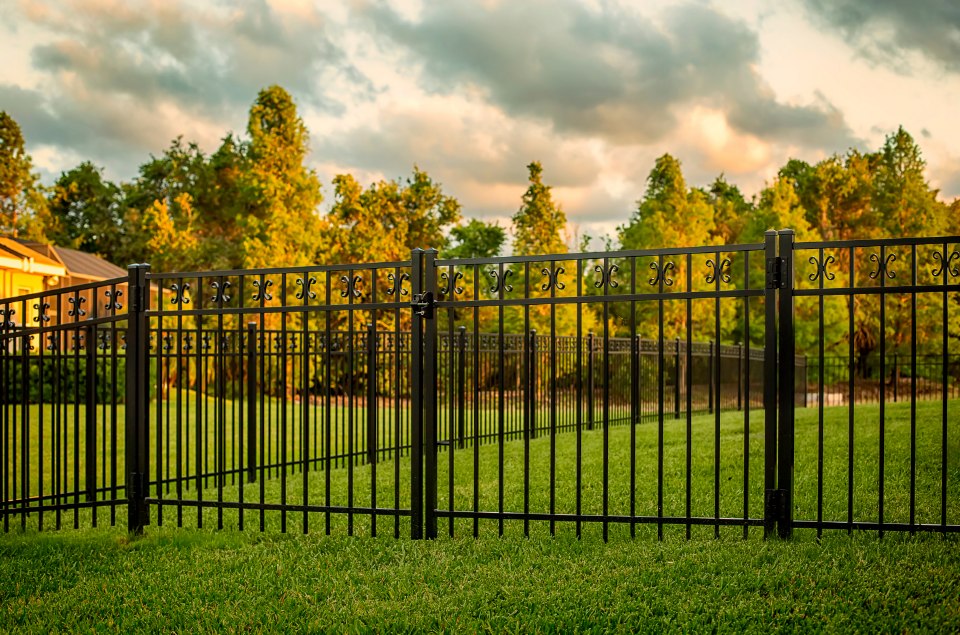
Aluminum Fence Installation in Fort Worth
Metal Fences for Home & Business Backed by a Lifetime Workmanship Warranty
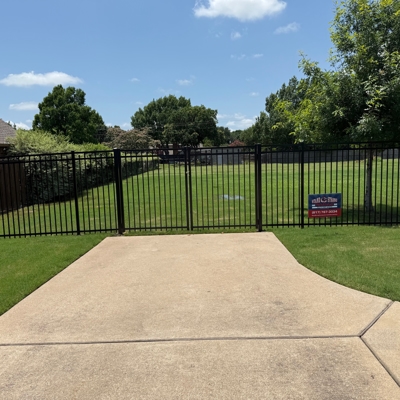
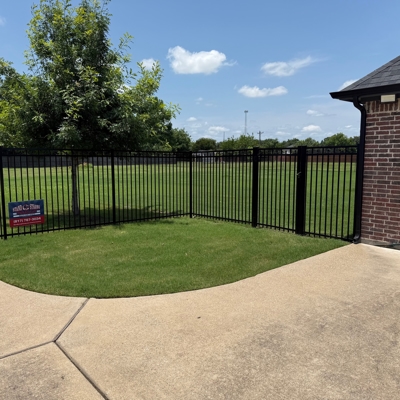
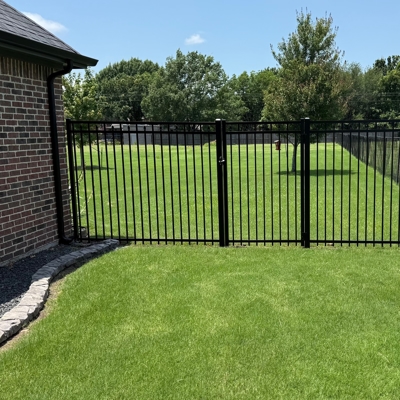
At Stand Strong Fencing of Fort Worth, we provide aluminum fencing solutions for homeowners and businesses. Aluminum creates an open-view boundary with an elegant appearance that supports security and curb appeal without the recurring staining, sealing, or rot concerns associated with wood. We customize each fence around the property’s layout, access points, desired visibility, and architectural style.
Before installation, we help you compare materials and styles based on your property, preferences, and budget. We also discuss local weather, soil conditions, city guidelines, and HOA requirements that may affect the design.
Discuss your aluminum fence installation in Fort Worth. Request a free quote or call (817) 592-9970.
Benefits of Aluminum Fencing
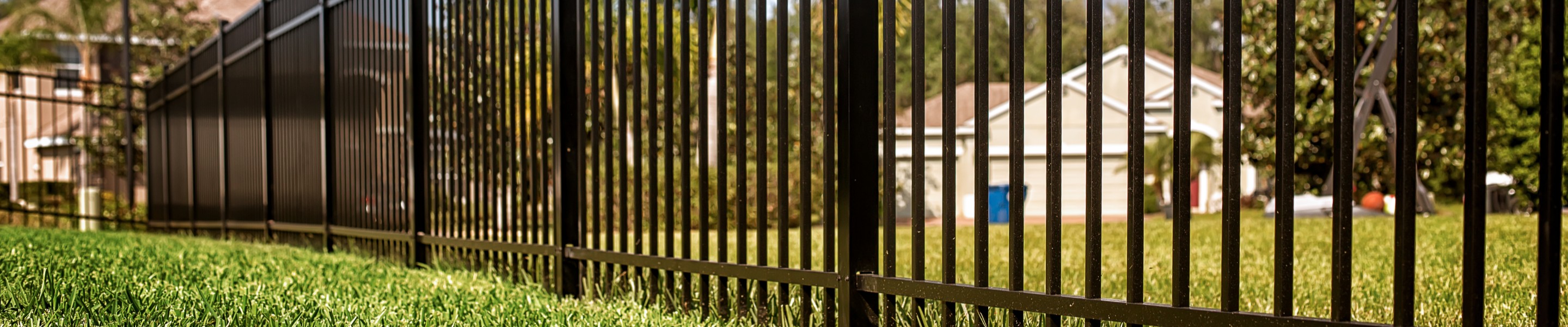
Aluminum fencing combines a durable boundary with low maintenance and flexible design options. Its open construction can preserve sightlines around front yards, gardens, pools, and commercial properties while still defining access and property lines.
Key reasons property owners consider aluminum include:
- Durability and Rust Resistance: Aluminum doesn’t rust in the same way as iron or steel, and it doesn’t warp, crack, or rot like wood.
- Low Maintenance: Aluminum doesn’t require the routine staining or sealing associated with wood fencing.
- Styles and Colors: Available design choices can complement traditional, ornamental, and contemporary properties.
- Open Visibility: Spaced pickets create a defined boundary without completely blocking views across the property.
Fort Worth’s heat, rain, drainage patterns, and soil movement should all be considered when planning a fence. Material performance is only part of the decision. Post placement, gate locations, terrain, and the condition of the proposed fence line also affect the finished installation.
Aluminum Fence Cost & Long-Term Ownership
While the initial cost of aluminum fencing may be higher than some alternatives, its minimal maintenance requirements can make it a practical long-term choice. The project price depends on factors such as fence length, height, style, gates, decorative details, terrain, and site access. We provide a personalized estimate based on the agreed project scope rather than a one-size-fits-all price.
Our team helps customers compare material options, design considerations, and budget-conscious choices. We also discuss known HOA or city requirements that may affect the design. Any applicable permit or review fees depend on the property and proposed fence.
Environmentally Friendly Material
Aluminum is recyclable and can be reused when fencing is eventually removed or property needs change. For owners weighing environmental impact alongside maintenance and appearance, its recyclability can make aluminum an environmentally friendly option. The material’s lower routine maintenance also eliminates the need for recurring wood stain or sealant applications.
Aluminum vs. Wood & Ornamental Metal Fencing
When comparing aluminum to wood fencing, aluminum stands out for its low maintenance and durability. Unlike wood, aluminum doesn’t require regular staining or sealing. Its resistance to pests and rot can also make it suitable for property owners who don’t want the ongoing care associated with wood.
Wood can provide more complete privacy, while aluminum is usually an open-view solution. Owners who want both may consider landscaping, screening, or a mixed-material layout. The right choice depends on whether privacy, visibility, appearance, or maintenance is the higher priority.
When comparing options for metal fencing, aluminum is generally lighter than ornamental steel and naturally resistant to rust. Ornamental iron or steel can provide a heavier appearance and different decorative characteristics. We can help you compare these materials based on the property’s design, security and privacy needs, maintenance expectations, and budget.
Aluminum Fence Designs for Fort Worth Properties
Aluminum fencing is available in a range of styles and colors, allowing the design to complement a home, landscape, multifamily property, or commercial building. Common decisions include fence height, picket spacing, decorative tops, gate placement, latch location, and transitions between open and private areas. Our customized fencing solutions aren’t limited to a single standard layout.
Design choices to review during planning include:
- Fence Profile: Select an understated picket layout or add ornamental details such as finials and scrolls.
- Gates and Access: Position pedestrian and vehicle gates around the way people use the property.
- Sightlines: Account for landscaping, driveways, street visibility, and views from the home or business.
- Architectural Fit: Coordinate the fence’s color and detailing with the property’s existing exterior features.
Explore our Aluminum Fence Designs page for inspiration and consider which details fit your property. During the consultation, we review style preferences alongside known HOA, zoning, and site requirements.
Privacy with Aluminum Fencing
While aluminum fences are typically open in design, privacy can still be increased through strategic placement and complementary features. Landscaping or privacy panels may provide coverage where greater seclusion is needed. Some properties benefit from open aluminum along visible boundaries and a more private fence type around back or side yards.
We review sightlines, access points, and the areas where privacy matters most. Because aluminum itself usually won’t create a solid visual barrier, these goals should be addressed during design rather than after installation.
Security & Safety Considerations
Fence height, picket spacing, gate placement, and latch selection all bear on how the boundary functions. We discuss these design details based on the intended use, whether the fence surrounds a yard, garden, business, or pool area. A fence can help define access, but the appropriate configuration depends on the property and applicable requirements.
Pool barriers and other safety-sensitive applications may be subject to state, local, and property-specific requirements. Those requirements should be confirmed for the specific property before the design and hardware are finalized.
Our Aluminum Fence Installation Process
Our aluminum fence installation process begins with a consultation and property review. We use technology to support efficient estimates and precise project planning, then collaborate with you on the material, design, and budget considerations that shape the scope.
A typical project includes:
- Site Review: We assess the proposed fence line, slopes, landscaping, access limitations, gates, and any existing fence removal needs.
- Design Confirmation: We confirm measurements, style, height, color, gate locations, and other agreed features.
- Project Preparation: The plan accounts for property access, material availability, utility conflicts, and applicable approvals before work begins.
- Professional Installation: Our team installs the fence according to the confirmed project scope and keeps you informed during the work.
- Final Review: We inspect alignment, visible finish condition, and gate operation against the agreed design.
Installation Scheduling
The time required for installation depends on project size, design complexity, terrain, weather, material availability, existing fence removal, and any required review or approval. A sloped property or a layout with multiple gates may require a different schedule than a short, level fence line. During the consultation, we can discuss timing based on the actual scope rather than an unsupported standard estimate.
Fort Worth Fence Regulations & Property Reviews
Before starting a fence project, property owners should confirm which city, zoning, historic-district, and neighborhood requirements apply. Fort Worth’s residential guidance states that fences in front yards and projected front yards can be no more than 4 feet tall and must use an open design with 50 percent density, subject to applicable rules. The city also states that solid fences above 7 feet and open fences above 8 feet require building permits.
Not every aluminum fence requires the same approval. Requirements can vary with height, design, placement, corner-lot visibility, public rights-of-way, and the property’s zoning or historic status. HOA requirements may separately regulate materials, colors, height, and style.
Our team discusses known requirements during planning and provides basic site and project information related to the proposed fence. Property-specific rules should be confirmed before materials are ordered or installation begins, especially when historic-district review or HOA approval may apply.
Aluminum Fence Maintenance & Repairs
Routine aluminum fence care generally involves occasional cleaning with water and a mild cleaning method suitable for the finish. Leaves, grass clippings, and dust can collect along rails, pickets, and posts, so clearing that debris helps keep the fence looking clean.
Check gates, latches, posts, rails, fasteners, and visible finish damage periodically, particularly after severe weather. A gate that no longer aligns, loose hardware, or a shifted post may need attention before the issue worsens. We provide fence maintenance and repair services in addition to installation.
The appropriate cleaning method may depend on the fence’s finish, so avoid abrasive tools or products unless the manufacturer recommends them.
Professional Installation with Workmanship Protection
We combine professional installation with personalized guidance on materials, styles, and property-specific design decisions. Technology-supported estimates help us establish the project scope efficiently, while direct communication keeps customers informed about the choices that affect the fence.
Our workmanship is backed by a lifetime workmanship warranty. That protection reflects our commitment to the quality of our installation work and gives customers a clear point of contact if a covered workmanship concern arises.
Frequently Asked Questions
Do I Need a Permit for an Aluminum Fence in Fort Worth?
Permit requirements depend on the fence’s height, design, placement, and the property’s zoning or historic status. Fort Worth identifies permit thresholds for certain tall solid and open fences, while front-yard rules may also affect height and density. Confirm current city, historic-district, and HOA requirements for your property before installation.
How Long Does an Aluminum Fence Last?
Aluminum fencing is generally selected for its resistance to rust, rot, and lower maintenance needs. Its service life depends on material quality, installation, weather exposure, site conditions, gate use, and upkeep. Periodic cleaning and inspections can help identify loose hardware, finish damage, or shifting posts that may require repair.
Does Aluminum Fencing Work on Sloped or Uneven Yards?
Aluminum fencing can be configured for many sloped or uneven properties, but the suitable layout depends on the grade and available panel options. We review terrain, fence alignment, gates, and transitions during the property assessment before confirming the design.
Plan Your Aluminum Fence Installation
A useful quote starts with the fence’s purpose, approximate fence line, height, gate needs, design preferences, and desired level of privacy. We can also discuss property conditions, budget questions, and any known city or HOA requirements that may affect the scope.
Choose a durable, stylish fence designed for low maintenance. Contact us online or dial (817) 592-9970 to arrange a consultation.

-
"Awesome experience. Fast service and very responsive. Highly recommended."- Brian Davis
-
"Did what they said they would do, at the price they quoted, on the day they said they would be there. You really can't beat that these days."- Steve Keogh