


A beautiful fence paired with thoughtfully designed landscaping can transform a property. But did you know that some landscaping choices can also contribute to premature fence deterioration?
The plants you choose, where you plant them, and even where your irrigation sprays can all affect the condition and longevity of your fence. This is especially important with wood fencing, which naturally needs proper airflow and the opportunity to dry after exposure to rain, humidity, and irrigation.
At Stand Strong Fencing of Fort Worth, we believe a fence should be Built Strong to Last Long. Good landscaping practices can help protect that investment for years to come.
Vines Can Trap Moisture Against Your Fence
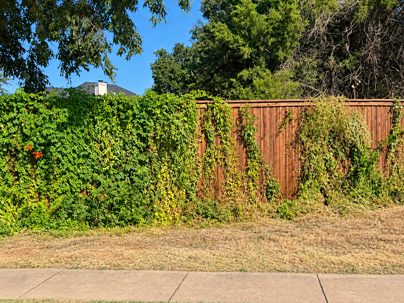
Climbing vines can add a beautiful, natural touch to a yard. However, when vines grow directly against a wood fence, they can create an environment where moisture becomes trapped between the vegetation and the wood.
Instead of allowing the fence to dry naturally after rain or irrigation, dense vines can keep the surface damp for longer periods. Over time, that added moisture exposure can contribute to mold, mildew, discoloration, and wood deterioration.
Vines can also make it difficult to see what's happening behind them. Small areas of damage, insect activity, or deterioration may go unnoticed because the fence is covered by vegetation.
If you enjoy the look of climbing plants, regular trimming can help keep them from completely covering the fence.
Think About the Mature Size of Your Plants
One of the most common landscaping mistakes happens before the plant even goes into the ground.
A small shrub may look perfectly placed when it's first planted, but it won't stay small forever.
When choosing plants near a fence, consider their mature size, not just the size they are when purchased. Large shrubs and dense plants can eventually press against the fence, restrict access, and make routine maintenance more difficult.
Leaving appropriate space between the plant and fence allows the landscaping to grow without completely overtaking the fence line.
It also gives you room to inspect the fence, trim vegetation, clean the area, and address potential problems before they become major repairs.
Your Planting Location Can Affect Your Fence
Where you plant can be just as important as what you plant.
Placing dense vegetation immediately along a fence can limit air circulation and create a consistently damp environment. Plants located in areas that naturally stay wet can create additional concerns, particularly when the soil remains saturated near the bottom of the fence.
When planning a new landscape, take a look at the entire fence line. Consider drainage, sunlight, plant growth, and how easily you'll be able to reach the fence in the future.
Good planning doesn't mean leaving a huge gap around your fence. It simply means giving your plants and your fence enough room to coexist.
Don't Forget About Irrigation
Your sprinkler system can have a bigger impact on your fence than you might realize.
Sprinklers that repeatedly spray directly onto a fence can expose the wood to unnecessary moisture. While an occasional rainstorm is unavoidable, constantly watering the fence every time your irrigation system runs is something you can often prevent.
As your landscaping changes, sprinkler patterns may need to be adjusted as well. Check your irrigation regularly to make sure water is reaching your plants without unnecessarily soaking your fence.
Keep Soil, Mulch, and Vegetation in Check
The area immediately around the bottom of your fence deserves attention, too.
Soil, mulch, leaves, grass, and other organic material can accumulate along the fence line. When material stays against the bottom of a wood fence, it can hold moisture in an area that needs to dry.
Keeping the fence line reasonably clear makes it easier for the bottom of the fence to dry and gives you a better view of its condition.
It's also a simple way to make routine fence maintenance easier.
Landscaping Maintenance Is Fence Maintenance
You don't have to choose between a beautiful landscape and a long-lasting fence. The two can work together with a little planning and regular upkeep.
As you maintain your yard, take a few minutes to check your fence line:
- Trim vines before they completely cover the fence.
- Keep shrubs and dense vegetation from pressing against the boards.
- Check that sprinkler heads aren't continuously spraying the fence.
- Keep excessive soil, mulch, and organic debris away from the bottom of the fence.
- Look behind vegetation for signs of moisture damage or deterioration.
- Consider the mature size of plants before adding them near an existing fence.
These small steps can make it easier to maintain your fence and identify potential problems early.
Protect Your Fence From the Ground Up
A quality fence is an investment, and its longevity isn't determined solely by the materials used during installation. The environment surrounding the fence matters, too.
Thoughtful landscaping around a wood fence, proper irrigation, adequate space for plant growth, and routine maintenance can all help reduce unnecessary moisture exposure and keep your fence looking its best.