Wood Fencing in Northwest Houston
Wood Fences Designed for Local Homes
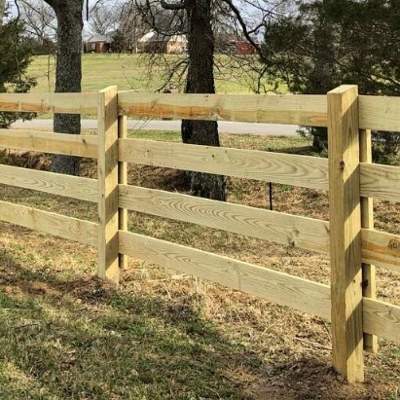
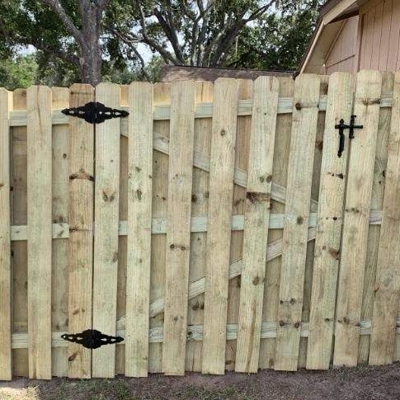
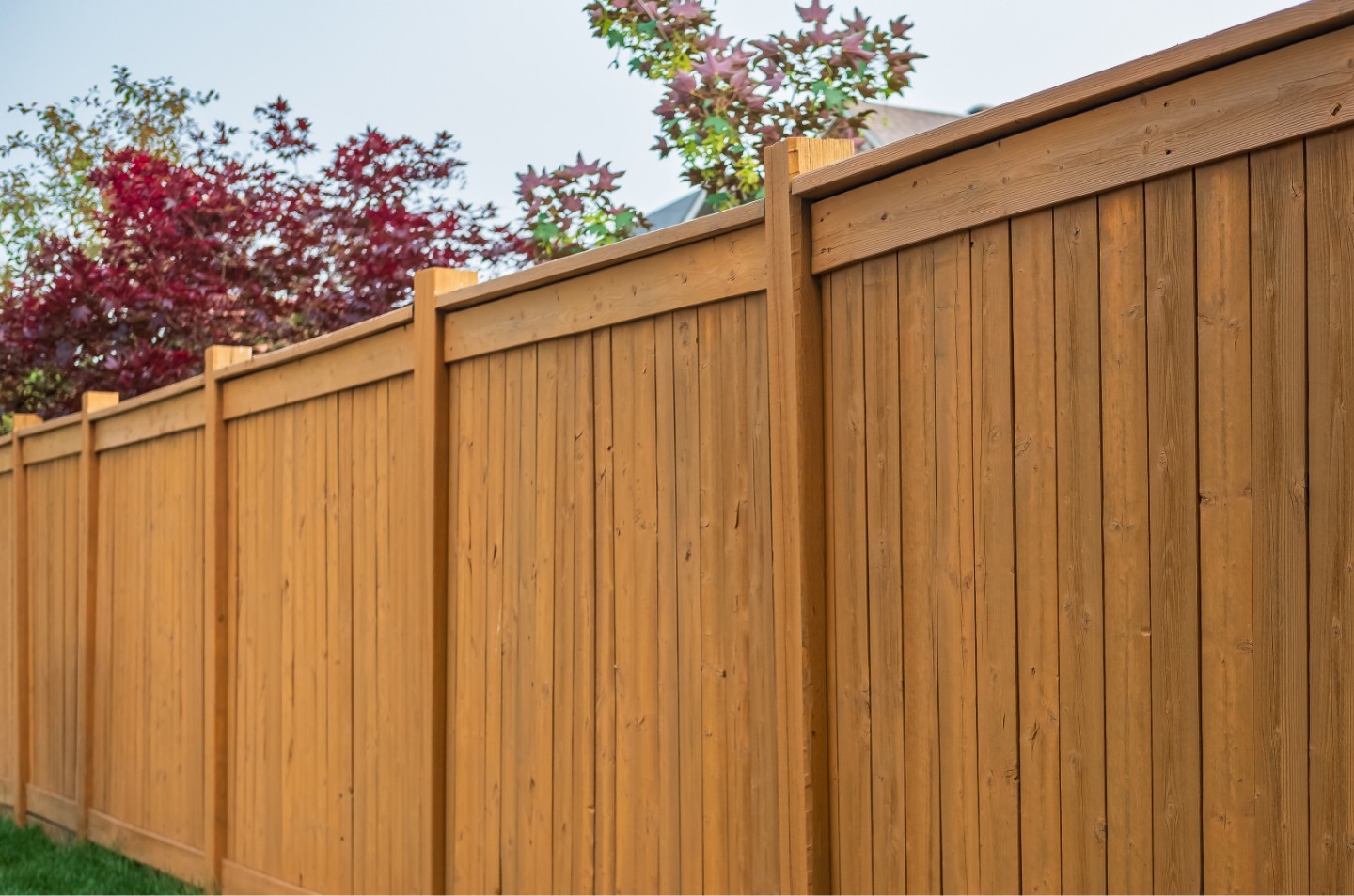
Stand Strong Fencing of Spring Valley Village installs wood fencing that fits the look of Northwest Houston neighborhoods while holding up to heat, humidity, and sudden storms. Whether you want a classic backyard privacy fence, a side-yard enclosure, or a clean perimeter line for pets and kids, our team focuses on straight lines, solid posts, and clean board spacing so your fence stays strong over time. We also help you choose the best picket style, top trim, and gate layout for daily convenience and curb appeal. To get started, contact us for a site visit and a written plan that matches your property lines and goals.
If your current fence is leaning, missing pickets, or suffering from rot at the base, we can often rebuild sections and reinforce posts before a full replacement is needed. Explore our wood fence repair services if you’re trying to extend the life of an existing fence or correct storm damage. For homeowners comparing materials, we can also walk you through wood versus vinyl based on long-term maintenance and total installed cost. Call today to schedule an on-site evaluation and get clear recommendations.
Contact us online today or call (832) 662-0881 for expert wood fencing in Northwest Houston, TX!
Best Wood for a Privacy Fence: Cedar vs. Pressure-Treated Pine
For many Spring Valley Village homeowners, the “best wood” depends on whether you prioritize natural rot resistance, appearance, and dimensional stability (cedar) or a lower initial cost with chemical treatment protection (pressure-treated pine). Cedar is widely loved for privacy fences because it’s naturally resistant to decay and insects, it takes stain well, and it tends to stay straighter when properly installed and sealed. It also offers a richer grain and color that many homeowners in Spring Valley Village prefer for backyard aesthetics. It generally costs more up front, but it can pay off in fewer board replacements and a longer-lasting look.
Pressure-treated pine can be an excellent value when you want solid performance at a lower price point, especially when paired with good installation practices and consistent sealing. Because it’s treated, it resists rot and termites better than untreated pine, but it can be more prone to shrinkage, checking, and minor twisting as it dries, especially in Spring Valley Village heat, so spacing, fastener choice, and sealing matter. If you want a premium appearance at a competitive price, many homeowners choose a hybrid approach: treated posts and rails with cedar pickets, depending on availability and design. Contact Stand Strong Fencing for wood samples and a recommendation based on your budget, exposure (sun/shade), and desired finish.
When we visit your property, we look at how much direct sun your fence line gets, how close it sits to sprinklers or drainage swales, and whether you prefer to see the natural grain or a solid-color stain. Cedar often performs well along rear property lines with heavy sun, while pressure-treated framing can be a smart choice along shaded side yards where moisture lingers. By matching material to actual site conditions instead of taking a one-size-fits-all approach, we help your fence age more predictably in Spring Valley Village.
It also helps to think about how hands-on you want to be with long-term maintenance. Cedar rewards regular staining with a rich, consistent look, while pressure-treated pine can be a fit for owners who are comfortable with a more rustic appearance over time. We talk through how often you plan to stain, how important uniform color is to you, and how long you plan to stay in the home so you can choose a wood option that makes financial and practical sense for your property.
Standard Fence Height, Post Depth, and Installing Wood Fencing on a Slope
The standard height for a backyard wood privacy fence in many Spring Valley Village-area neighborhoods is 6 feet, offering strong privacy while fitting typical residential expectations. Some properties may allow taller heights (often 7–8 feet) in limited situations, but that can change your permit needs, HOA requirements, wind load concerns, and the type of posts required. We’ll help you choose a height that balances privacy, airflow, and neighborhood guidelines, then match it with the right framing so the fence doesn’t feel flimsy. If you’re unsure what height fits your property, we can review your goals and local rules during the estimate.
For durability, post depth matters as much as wood quality. In our region, posts are commonly set at least 24–36 inches deep, depending on fence height, soil, and wind exposure, with concrete footings and proper grading so water drains away from the post. Deeper, correctly set posts help prevent leaning, gate sag, and panel movement over time—especially after heavy rain cycles that soften soil. We also account for gate weight, latch alignment, and traffic patterns so your gates open and close smoothly; if you need a new entry point, ask about our wood gate installation options.
Yards in the Spring Valley Village area often have a mix of flat sections, gentle swales, and steeper drops near drainage easements, so we rarely apply the exact same layout on every side of the property. On more visible runs, you may prefer a racked style for a continuous top line, while stepped panels can make sense along less visible rear lines where the grade changes quickly. During planning, we walk your yard with you, point out how each area will be handled, and discuss how pets, kids, or landscaping will interact with the finished fence.
Do You Need a Permit to Build a Wood Fence in Spring Valley Village (TX 77055)?
Permit requirements can vary by municipality, neighborhood rules, and fence height, so the safest answer is: you may need a permit, especially for taller fences, corner lots, or fences near public right-of-way areas. In and around Spring Valley Village, factors like property lines, easements, and HOA restrictions can also affect what you’re allowed to build and where. Many homeowners run into trouble when a fence is installed over a utility easement or too close to a visibility triangle near an intersection. We encourage confirming local requirements before construction so you don’t face stop-work orders or costly tear-outs.
We help homeowners reduce risk by discussing placement, height, and any known neighborhood constraints during the estimate process. While homeowners are ultimately responsible for approvals, we can provide fence specs, drawings, and scope details that make permit conversations easier. If you’re unsure where your property line sits, we may recommend referencing a recent survey to avoid boundary disputes. Call us to review your project details and get guidance on the next steps before you build.
When we meet with you, we also talk through common triggers that can change how your project is reviewed, such as building along alleys, backing up to thoroughfares, or sharing lines with commercial properties. In parts of the Spring Valley Village area with active homeowners’ associations, there may be additional design guidelines for fence style and color that go beyond basic city requirements. By anticipating these issues early, we help you plan a fence that is more likely to be approved the first time, so your project stays on schedule.
Because rules can change, we avoid one-size-fits-all advice and instead focus on helping you ask the right questions before committing to a design. This may include checking setback distances, verifying maximum height for front-yard sections, and confirming how corner lot sightlines are handled in your specific subdivision. Our goal is to align your wood fence project with local expectations while still giving you the privacy and security you want on your Spring Valley Village property.
How Long Does a Wood Fence Last, and How to Extend Its Lifespan
In Spring Valley Village’s climate, a properly built and maintained wood fence commonly lasts 10–20 years, with premium materials and consistent care pushing it longer. Lifespan depends on sun exposure, drainage, sprinkler overspray, soil contact, and whether boards are sealed on a regular schedule. Many fences fail early because of ground-level rot, poor drainage around posts, or warped boards that open gaps and loosen fasteners. Our approach prioritizes post integrity, airflow, and correct fastening so the fence stays tight and attractive.
To extend the life of your fence, plan to stain or seal it regularly. A typical schedule in our area is every 2–3 years for stain/seal reapplication, though intense sun exposure or constant moisture can require more frequent upkeep. Sealing helps slow water absorption that leads to swelling, cracking, and rot, and it also reduces UV damage that dries and weakens the fibers. If you want help maintaining your investment, ask about our wood fence staining and sealing solutions and recommended product options for Spring Valley Village weather.
Preventing boards from warping, rotting, or splitting comes down to smart material selection and construction details that control moisture and movement. We recommend practices such as using quality fasteners, allowing proper picket spacing for expansion, keeping boards off the soil, and ensuring the fence line drains well after rain. It also helps to avoid constant sprinkler spray on the fence, trim vegetation away for airflow, and address small issues early before they spread. For homeowners deciding between materials, wood typically costs less to install than vinyl, but vinyl usually wins on low maintenance; compare options with our vinyl fencing page, and we’ll help you choose what fits your budget and lifestyle.
In the Spring Valley Village area, seasonal weather swings can stress a fence in different ways, from heavy spring rains that saturate soil around posts to long, hot summers that dry boards and expose weaker fasteners. Planning for these conditions from the start, with proper post depth, hardware, and spacing, can make a noticeable difference in how your fence looks after five or ten years. During our consultation, we review these factors so you understand what to expect and what simple habits will help your fence last closer to the upper end of the typical range.
Homeowners who budget for routine care often see better long-term value than those who wait until a fence is leaning or failing. Setting a calendar reminder for quick visual checks after major storms, touching up stains on high-sun sections, and tightening or replacing hardware before it fails all help avoid larger repairs. When we install your fence, we can outline a basic maintenance plan tailored to your yard so you know exactly how to protect your investment over time.
- Stain or seal every 2–3 years to reduce moisture absorption and UV damage.
- Keep pickets off the ground and improve drainage to prevent bottom-edge rot.
- Use correct post depth and concrete footings to prevent leaning and gate sag.
- Limit sprinkler contact and keep plants trimmed back for better airflow.
Wood Fence Services in Spring Valley Village-Area Neighborhoods
Homeowners in Spring Valley Village communities often need more than a one-time install; they need ongoing support to keep their fences safe and attractive. We help with repairs to storm-damaged sections, gate adjustments, and full replacements when an older fence has reached the end of its life. By offering installation, repair, and maintenance under one roof, we make it easier to plan for your property long term instead of starting over with a new contractor every time something changes.
Many yards in Spring Valley Village have a mix of older and newer fencing, especially along shared property lines where neighbors have replaced sections at different times. We can tie new runs into existing fences, rebuild only the failing portions, or create a phased plan that respects your budget while still improving overall security. During your visit, we explain which parts of the fence can be preserved and where replacement is the better investment, so you can make informed decisions about wood fence service on your property.
If you are coordinating with neighbors, we can provide clear written scopes and layout drawings that make conversations simpler. This is especially helpful along alleys or backing to busier streets where multiple homeowners share the same fence line. Our goal is to give you a straightforward path from first call to finished fence, whether you need a small repair after a Gulf storm or a full wood fence installation that Spring Valley Village homeowners can rely on for years.
Our Wood Fence Installation Process
Understanding the installation process can make planning your project far less stressful. We start with a site visit to measure your fence line, review property access, and discuss your goals for privacy, security, and style. From there, we prepare a written proposal that outlines materials, layout, and any recommended upgrades so you can see exactly what is included before work begins.
Once you approve the plan, we schedule your project and confirm how long crews will be on-site based on the size and complexity of the fence. On installation day, we remove existing fencing as needed, set posts in concrete to the appropriate depth for local soils, and allow enough cure time before attaching rails and pickets. Throughout the process, we pay close attention to line layout, elevation changes, and gate swing so the finished fence feels balanced along both the street side and backyard.
At the end of the job, we walk the fence line with you to confirm that gates latch properly, posts are set as planned, and the layout matches your approved design. We also review basic care steps and answer any questions about future staining or repairs so you know how to take care of your new fence. By following the same careful process on every project, we help ensure consistent results for homeowners across Spring Valley Village.
Frequently Asked Questions
How Long Does a Typical Wood Fence Installation Take?
Most standard residential projects are completed in a few days once work begins, depending on yard size, access, and weather. Larger properties, complex layouts, or extensive removal of old fencing can extend the timeline. During your estimate, you will receive a realistic schedule based on your specific site conditions, so you know what to expect from start to finish.
Can You Match the Style of My Existing Fence?
In many cases, we can closely match common styles used in the area. This may include board-on-board privacy fences, horizontal designs, or specific trim details. When exact materials or profiles are no longer available, we will show you the closest current options so you can choose the look that blends best with the rest of your yard.
What Maintenance Should I Plan for After My New Fence Is Installed?
After installation, plan to stain or seal the wood once it has had time to dry, then follow a regular schedule based on sun and moisture exposure. Periodic inspections for loose fasteners, gate adjustments, and minor touch-ups will help you avoid larger problems later. Simple habits like keeping sprinklers from spraying directly on the fence and trimming vegetation away from pickets will also help your fence perform better over time.
Ready to upgrade your wood fence in Spring Valley Village, TX? Contact us online now at (832) 662-0881 for a free consultation.

-
"Awesome experience. Fast service and very responsive. Highly recommended."- Brian Davis
-
"Did what they said they would do, at the price they quoted, on the day they said they would be there. You really can't beat that these days."- Steve Keogh