Wood Fencing in Davenport, Iowa
Stand Strong Fencing — Quality, Craftsmanship, and Durability Every Board of the Way
Why Choose Wood Fencing
- Natural Beauty & Warmth: Wood fences bring a timeless, classic look that complements homes, yards, and landscapes across Davenport and the Quad Cities. The grain, texture, and hues of wood offer an organic feel no other material replicates.
- Affordability & Value: Compared with wrought iron, aluminum, or steel, wood fences provide excellent value. You can get privacy, security, and aesthetic appeal without breaking the bank.
- Customizability: Want a horizontal plank look, a picket style, a privacy solid panel, or shadowbox style? Wood lets you choose designs, heights, finish, and stains to suit your style.
- Environmental Benefits: Sourced responsibly, wood is a renewable material. With proper treatment and finishes, modern wood fencing can last for decades, reducing the need for frequent replacements.
Our Wood Fence Styles & Options
At Stand Strong Fencing of Davenport, we offer a comprehensive range of wood fence styles, each customizable to meet the aesthetics and functional needs of your property. Some of our most popular styles include:
Style | Benefits | Best Use |
|---|---|---|
Privacy/Solid Panel | Blocks visibility, reduces noise, enhances security | Backyards, pool enclosures, keeping pets/children safe |
Picket | Decorative, airy, classic charm | Front yards, decorative boundaries, gardens |
Shadowbox | Semi-private yet allows air flow, balanced look | Side yards, sloped ground transitions |
Stockade | Tall slats, strong barrier style | Full privacy, noise reduction, windbreaks |
Horizontal Plank | Modern, sleek, clean lines | Contemporary homes, accent fencing, media walls |
Materials & Construction
We believe that a wood fence is only as good as the materials and the craftsmanship behind it. Here’s what we do:
- We use premium grade lumber— cedar, redwood, pressure-treated pine, or other hardwoods as selected—chosen for durability, decay resistance, and knot minimality.
- All posts are set deeply, with concrete footings, to guard against shifting, rot, and moisture.
- We treat or stain the wood (as requested) with high-quality finishes to protect against UV rays, mildew, insects, and weather extremes common in Davenport / Eastern Iowa / Western Illinois.
- We reinforce gates with galvanized or stainless hardware, strong hinges, and secure latches so gates perform smoothly and last long.
Maintenance: How to Keep Your Wood Fence Looking & Performing Well
Wood fences require some upkeep—but with the right care, they look great for many years. Here are maintenance tips:
- Regular cleaning: Wash off dirt, mildew, pollen every year. A gentle power wash (low pressure) or scrubbing helps.
- Seal or stain periodically: Usually every 2-5 years depending on exposure. Use quality stains or sealers to preserve the color and resist moisture.
- Inspect for damage: Check for loose boards, warped pickets, rot at post bottoms, damage from insects. Prompt repairs prevent small issues from becoming big problems.
- Ensure drainage: Trim plants and weeds near the base. Ensure proper drainage around posts so water doesn’t pool.
Wood Fence Cost Factors in Davenport
Here are what influence the price of a wood fence installation:
- Fence height and length – The taller and longer the fence, the more material and labor required.
- Style/design complexity – Custom designs, gates, varying heights, or decorative tops cost more.
- Wood type – Cedar and redwood usually cost more than pressure-treated pine but offer better natural resistance. Premium hardwoods raise cost further.
- Site preparation – If grading, removal of old fence, dealing with slope or uneven terrain is needed, this adds to cost.
- Finishes and hardware – Staining or sealing, plus high-quality hardware (hinges, latches), impact costs.
Why Stand Strong Fencing is Your Best Choice
- Local Expertise: We are based in Davenport and know the soil conditions, weather cycles (snow, humidity, heat), and tree types in Eastern Iowa & Western Illinois. That means we build fences that suit our climate—not generic installations.
- Lifelong Workmanship Warranty: We stand behind our craftsmanship. It’s not just about putting up boards—it’s about building something built to last.
- Tailored Design & Consultation: Whether you want maximum privacy for a backyard, a decorative front yard fence, or a fence design that complements your landscaping, we’ll walk you through options, samples, and help you pick what fits your home.
- Transparent Pricing & Communication: Before we start, you receive a detailed estimate. We keep you informed during the process. No surprises.
- Full Service from Start to Finish: Demolition of old fence (if needed), site prep, installation, finishing, cleanup. We aim to leave your property cleaner than when we arrived.
Common Uses & Benefits for Davenport Homeowners
- Privacy & Peace: Block views from neighbors or street walking paths. Great for backyards, patios, swimming pools.
- Safety & Security: A solid wood fence offers barrier protection—helps keep pets/kids in, strangers or animals out.
- Curb Appeal & Property Value: A well-designed wood fence enhances property aesthetics, often increasing resale appeal.
- Wind Control & Shade: Wood fences act as windbreakers. In summer, they can provide shade depending on orientation. Also help with snowdrift control in winter.
- Custom Outdoor Living: Think pergola attachments, lattices, planter boxes, built-in gates or walls—wood allows customization.
Davenport Climate & What that Means for Your Wood Fence
- Temperature Swings: Hot summers, cold winters—wood expands and contracts. We account for this in design to avoid warping or splitting.
- Moisture & Rain: Proper sealing and adequate drainage around posts is essential. Especially in Iowa, where spring rains and melting snow can soak soil.
- Sun Exposure: UV rays fade and deteriorate wood. We recommend stains or sealants with UV protection especially on fence faces that get direct sun most of the day.
Process: What to Expect When You Work with Us
- Free Consultation / Site Visit
We meet you on-site, measure, discuss style preferences, wood types, gate locations, finish, budget. - Estimate & Design Proposal
We send a detailed quote including labor, materials, finish, timeline, and any site prep. We show design options or renderings if needed. - Material Selection
You choose the wood, color stain or seal, hardware, and any special features. - Preparation
Marking boundaries, removing old fence, leveling ground as necessary, prepping posts. - Construction & Installation
Setting posts, attaching panels or pickets, installing gates, finishing touches. - Final Walk-through & Clean-up
We inspect together, ensure everything meets your satisfaction, clean up all debris. - Aftercare Suggestions & Support
Advice on maintenance, finishing, repairs. We’re here for any questions or issues down the road.
Frequently Asked Questions (FAQs)
How long will my wood fence last?
With quality wood, good installation, and regular maintenance (stain/seal every few years), a wood fence in this region can last 15–25 years or more.
Do I need to get permits in Davenport?
Often yes. Fence height, visibility at corners, proximity to sidewalks/roads may require permits or must meet city/county regulations. We help guide you through local code compliance.
Can I stain or paint my fence later?
Absolutely. Wood fences accept stains and paints. If stained/painted initially, maintenance is easier. If left natural, UV and weathering will take effect faster.
Will trees or plants damage my fence?
Over time, yes, if left unchecked. Roots, vines, or heavy branches can cause moisture issues or physical damage. We advise leaving clearance between vegetation and fence, trimming plants, and ensuring proper drainage.
What wood type is best for this area?
Cedar and redwood do very well in our climate for their natural rot and insect resistance. Pressure-treated pine is a more affordable option and can be quite serviceable if properly sealed. Hardwood options cost more but may offer longer life under certain conditions.
Get Started with Your Wood Fence Project
Ready to bring home that beautiful, durable wood fence you’ve been envisioning? Stand Strong Fencing of Davenport is here to help make it happen.
- Free Quote: Contact us today for a no-obligation estimate.
- Virtual Estimator: Use our online estimator tool to get a ballpark figure quickly.
- Personalized Design Consultation: Let’s walk your lot, understand your preferences, and design a fence that’s functional, beautiful, and suited to your budget.
Why Choose Wood Fencing?
Wood fencing remains one of the most popular fence choices for homeowners—and for good reasons. It combines natural beauty, versatility, and functionality in a way few other materials can match. Unlike metal or vinyl, wood brings warmth and texture to your yard. It can be customized in countless ways to fit architectural style, landscaping, privacy needs, and budget.
Beyond aesthetics, wood fences serve crucial functions: defining boundaries, containing pets and children, shielding outdoor spaces from winds, and creating visual privacy. With proper care, a wood fence can provide decades of service while continuing to look appealing.
Types of Wood Used in Fencing
Not all wood fences are built the same. The species of wood dramatically influences the look, durability, and maintenance needs of your fence.
Cedar is widely used because it’s naturally resistant to rot and insects. Its color weathers gracefully to a soft gray if left untreated, or can be stained for richer tones.
Pressure-Treated Pine is treated to resist decay and pests, making it a cost-effective option. It typically requires staining or sealing to protect against moisture and UV damage.
Redwood is prized for its deep, natural color and durability. It’s often chosen for high-end installations but comes at a higher cost.
Other hardwoods and specialty woods are sometimes used for accents or custom projects, each bringing unique character and performance traits.
Common Styles of Wood Fencing
Wood fencing is far from one-dimensional. Different styles support different needs:
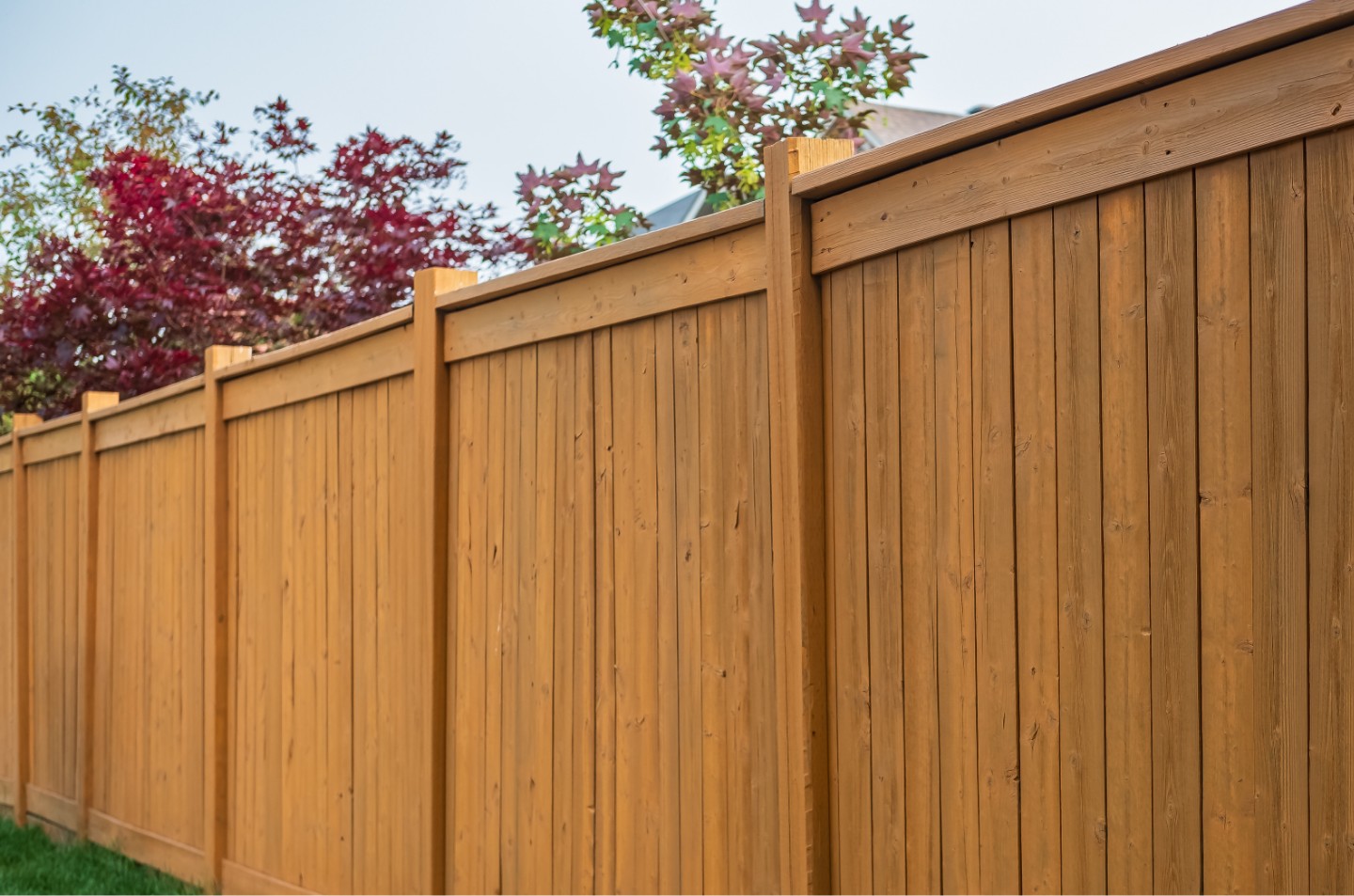
Privacy Fences: Boards placed tightly together to block views and create a secluded yard environment.
Picket Fences: Classic and decorative, with evenly spaced pickets—ideal for front yards and gardens.
Shadowbox Fences: Alternating boards on either side of the rails, allowing airflow while providing visual screening.
Horizontal Board Fences: Modern and sleek, featuring boards laid horizontally for a contemporary look.
Split Rail Fences: Rustic and open, commonly used for large properties or pasture boundaries.
Each style has structural differences that affect visibility, wind resistance, and the overall feel of your property.
Wood Fence Installation Basics
A well-built wood fence starts with careful planning and preparation:
Survey & Layout: Establishing accurate boundary lines ensures your fence sits where it should. Mistakes here can lead to neighbor disputes or costly relocation later.
Post Setting: Posts are the backbone of your fence. Proper depth, concrete footings, and alignment determine long-term stability.
Board Attachment: Whether using nails or screws, consistent spacing and straight boards make a huge difference in appearance and performance.
Installation quality is one of the biggest predictors of how long a fence will last.
Caring for Your Wood Fence
Wood fences are living structures—they expand and contract, age, and interact with the elements. Regular care extends their life and keeps them looking their best.
Routine Cleaning: Washing off dirt, pollen, and mildew once or twice a year prevents buildup that can trap moisture.
Sealing or Staining: A quality sealant or stain protects wood from sun and water damage. While optional, these finishes greatly reduce cracking, warping, and discoloration.
Inspection & Repair: Check for loose boards, rotted posts, or shifted footings. Addressing small issues early prevents bigger headaches later.
Even with care, wood naturally ages. Embracing that patina—or refreshing it with stain—keeps your fence feeling intentional rather than neglected.
Common Wood Fencing FAQs
How long does a wood fence last?
With proper species selection and care, wood fences typically last 15–30+ years. Factors like climate, soil moisture, sunlight exposure, and maintenance routines all influence longevity.
Does wood fencing require staining?
Staining or sealing isn’t required, but it is highly recommended. Finished wood resists moisture and UV damage better than bare wood. Left untreated, wood tends to weather faster and may crack or rot sooner.
What is the best wood fence for privacy?
Solid panel styles—like closely spaced pickets or board-on-board designs—offer the most visual privacy. The choice of wood species impacts how well that privacy holds up over time.
Will wood fences warp or rot?
All wood can warp or rot under prolonged moisture and heat. Choosing naturally rot-resistant wood types and applying protective finishes slows that process significantly. Good post installation and ventilation also help.
Can I paint a wood fence?
Yes, painting is a common option. Paint provides color and UV protection, but it may require more frequent touch-ups than stain. Proper surface preparation and high-quality exterior paint maximize durability.
How do I prevent insect damage?
Certain woods like cedar naturally resist insects. Pressure-treated lumber also offers protection. In areas prone to termites or carpenter ants, proper grading and inspection routines help minimize risk.
Comparing Wood to Other Fencing Materials
Wood stands out for its natural appearance and adaptability. Unlike vinyl, which comes in fixed designs, or chain link, which offers minimal privacy, wood can be tailored in style, height, and finish. While metal options (like aluminum or steel) may last longer with less maintenance, they lack the organic warmth wood provides.
A wood fence might require more maintenance than some alternatives, but many homeowners prefer its aesthetic flexibility and traditional appeal.
Wood Fence Lifespan: What to Expect Over Time
A wood fence doesn’t stay static. Here’s how it typically changes over the years:
First 1–3 Years: Settling occurs. Wood adjusts to seasonal moisture and temperature swings. Color may shift slightly.
5–10 Years: Natural weathering continues. If sealed or stained, the finish may begin to fade. Annual checks help prolong life.
10–20+ Years: Depending on species and environment, boards and posts may show wear, but with ongoing maintenance, many fences remain functional and visually pleasing long past this mark.
Understanding this evolution helps set realistic expectations and plan for periodic refreshes or repairs.

-
"Did what they said they would do, at the price they quoted, on the day they said they would be there. You really can't beat that these days."- Steve Keogh
-
"Awesome experience. Fast service and very responsive. Highly recommended."- Brian Davis