


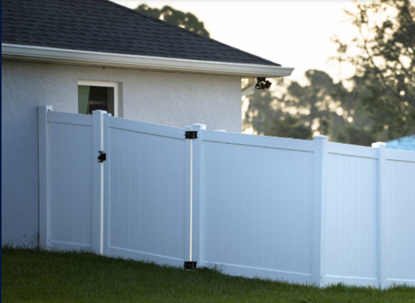
If you've noticed your backyard fence starting to lean, separate, or shift out of alignment, you're not alone. Homeowners throughout Plano and North Texas frequently deal with fence problems that have less to do with the fence itself and more to do with what's happening beneath it.
One of the biggest culprits? North Texas clay soil.
The same expansive clay soil that can cause problems for home foundations can also affect fence posts, gates, and entire fence lines. Understanding how local soil conditions impact your fence can help you recognize problems early, avoid unnecessary repairs, and make better decisions when it's time for a replacement.
At Stand Strong Fencing of Plano, we understand that building a durable fence in North Texas means accounting for the ground beneath it, not just choosing attractive fencing materials.
Why Is Clay Soil a Problem for Fences in Plano?
Much of the Plano area contains expansive clay soils. Unlike sandy soils that allow water to drain relatively quickly, expansive clay can absorb significant amounts of moisture and change volume as conditions fluctuate.
During periods of heavy rain, clay soil absorbs moisture and expands. During prolonged dry spells, it loses moisture and contracts.
This repeated expansion and contraction creates movement in the ground surrounding fence posts.
Over time, that movement can contribute to:
Fence posts shifting out of alignment
Wooden fences leaning to one side
Gates becoming difficult to open or close
Gaps developing between fence panels
Cracks or movement around concrete post footings
Fence sections becoming uneven
These problems can become particularly noticeable after periods of extreme weather.
How North Texas Weather Makes Fence Problems Worse
Plano homeowners experience a combination of weather conditions that can put significant stress on residential fencing.
Hot, Dry Summers
North Texas summers can bring extended periods of high temperatures and limited rainfall.
As clay soil dries, it shrinks. In some cases, visible cracks develop in the ground around fence posts.
When the soil surrounding a post contracts, it may reduce the support that helps keep the post stable. A fence that appeared perfectly straight in the spring may begin leaning by late summer.
Heavy Rainfall and Storms
When heavy rain arrives after an extended dry period, clay soil can absorb moisture and swell.
That swelling can exert pressure on buried fence components and contribute to movement around post foundations.
Additionally, strong thunderstorms and high winds can place substantial lateral pressure on fence panels, particularly solid privacy fences.
When soil movement has already weakened a post's stability, a strong storm may make an existing problem much more obvious.
Repeated Wet and Dry Cycles
The biggest challenge isn't necessarily one particularly hot summer or one severe storm.
It's the repeated cycle of soil expansion and contraction over several years.
A fence installed without appropriate consideration for local soil conditions may gradually shift, even if it looked perfectly straight when first constructed.
Five Signs Your Fence May Be Affected by Soil Movement
Not every fence problem is caused by expansive clay. Rot, deteriorating hardware, storm damage, and installation issues can produce similar symptoms.
However, these five warning signs may indicate that ground movement is contributing to your fence's condition.
1. Fence Posts Are Leaning
A post that gradually tilts out of alignment may be experiencing movement in the surrounding soil or foundation.
If several posts along the same fence line are leaning, the problem may involve broader soil conditions rather than a single damaged post.
2. Your Fence Gate No Longer Closes Properly
A gate that suddenly drags against the ground, sticks, or fails to latch may indicate that one or both supporting posts have shifted.
Gate problems can also result from loose hinges or sagging frames, so it's important to identify the actual cause before making repairs.
3. Gaps Are Appearing Between Fence Sections
When posts move independently, fence panels may separate slightly or become misaligned.
These gaps can affect privacy, appearance, and the ability of a fence to contain pets.
4. Concrete Around Posts Is Cracking or Shifting
Visible movement or cracking around a post footing can indicate that the post's foundation is under stress.
However, not every concrete crack represents a structural problem. A professional inspection can help determine whether repairs are necessary.
5. Your Fence Looks Uneven After a Storm
If sections of your fence appear noticeably crooked following heavy rain or high winds, the weather may have exposed an existing weakness in the posts or their foundations.
Can a Leaning Fence Be Repaired?
In many cases, yes.
Whether a leaning fence should be repaired or replaced depends on the condition of the posts, the extent of the movement, and the overall age and structural integrity of the fence.
For example, a relatively new fence with one damaged post may only need a localized repair.
However, an older fence with multiple leaning posts, deteriorating wood, and widespread alignment problems may be a better candidate for replacement.
Before deciding, consider:
Number of affected posts: Is the problem isolated or widespread?
Condition of the fencing material: Are boards, rails, or panels still structurally sound?
Condition of the post foundations: Are the posts properly supported?
Age of the fence: Would a repair meaningfully extend its useful life?
Cost of ongoing maintenance: Are you repeatedly paying to correct the same problems?
The goal should be a lasting solution rather than a temporary adjustment that leaves the underlying problem unresolved.
How Proper Fence Installation Helps Address Clay Soil Challenges
While no fence installation can completely eliminate the effects of expansive soil, appropriate construction practices can help reduce the risk of premature movement.
Proper Post Depth
Fence posts need adequate embedment to resist wind loads and other forces.
The appropriate depth depends on factors such as fence height, design, soil conditions, and applicable local requirements.
A one-size-fits-all approach may not be suitable for every North Texas property.
Appropriate Post Footings
The size, design, and installation of a post footing influence how well it supports the fence.
In areas with expansive soils, footing design should account for local ground conditions and the demands placed on the fence.
Quality Fence Materials
The materials used for posts, rails, panels, and hardware can influence a fence's long-term performance.
Pressure-treated wood, appropriate metal components, and corrosion-resistant fasteners can help address deterioration, although they do not eliminate soil movement.
Attention to Drainage
Water collecting around fence posts can contribute to soil moisture fluctuations and deterioration of certain materials.
Identifying drainage concerns before installation may help prevent avoidable problems.
Professional Installation
An experienced fence installation team can evaluate the property, discuss appropriate materials, and recommend installation methods suited to the fence design and site conditions.
Are Certain Fence Materials Better for North Texas Soil?
Plano homeowners have several fencing options, each with different benefits.
Wood Privacy Fencing
Wood fences remain popular throughout Plano because of their appearance, privacy, and versatility.
However, wood requires ongoing maintenance, and improperly supported posts can shift over time.
Vinyl Fencing
Vinyl offers a low-maintenance alternative that doesn't require painting or staining.
While vinyl panels resist many common forms of deterioration, the fence still depends on properly installed posts and foundations.
Ornamental Metal Fencing
Ornamental metal fences can provide an attractive option for homeowners who want security and visibility.
Open designs may experience less wind pressure than solid privacy fences of similar dimensions, although actual performance depends on the design and installation.
Chain-Link Fencing
Chain-link fencing is another practical option for residential and commercial properties.
Its open construction allows air to pass through, but secure posts and properly designed foundations remain essential.
The important takeaway: No fencing material makes proper installation unnecessary. The foundation and support system matter regardless of the fence style.
Should You Replace Your Fence Before the Next North Texas Storm Season?
If your fence already has significant movement, loose posts, or deteriorating structural components, it's worth having the condition evaluated before severe weather arrives.
Strong winds can place considerable pressure on privacy fences, and an already weakened structure may be more vulnerable to additional damage.
Addressing problems early may also help prevent a damaged fence from creating security concerns or allowing pets to escape.
You don't necessarily need to replace an entire fence because one post is leaning. However, you shouldn't ignore signs of structural instability either.
Frequently Asked Questions About Leaning Fences in Plano, TX
Why does my fence lean more during the summer?
Dry conditions can cause expansive clay soil to shrink, potentially reducing support around fence posts. However, deterioration, wind damage, and improper installation can also contribute.
Can clay soil cause a fence gate to stop closing?
Yes. If soil movement causes a gate post to shift, the gate may become misaligned. Loose hinges, sagging frames, and other mechanical problems can produce similar symptoms.
Will adding concrete around a leaning fence post fix the problem?
Not necessarily. Adding concrete without correcting the underlying issue may fail to provide a lasting repair. The post and existing footing should be evaluated to determine the appropriate solution.
How long should a fence last in Plano, Texas?
Fence lifespan varies based on materials, installation quality, maintenance, exposure to weather, and site conditions. A properly maintained fence generally performs better than one with neglected structural or drainage problems.
Should I repair or replace my leaning fence?
A localized issue involving an otherwise healthy fence may be repairable. Widespread post movement, significant deterioration, or repeated failures may make replacement the more practical long-term choice.
Protect Your Property with Professional Fencing in Plano, TX
A fence should do more than look good when it's first installed. It should provide dependable privacy, security, and functionality for years to come.
In North Texas, that means paying attention to local conditions, including expansive clay soil, changing moisture levels, and severe weather.
At Stand Strong Fencing of Plano, we help homeowners explore fencing solutions that balance durability, appearance, and functionality.
Whether you're considering a new privacy fence, replacing an aging fence, or exploring options for your backyard, our team can help you find the right fit for your property.
Ready to improve your property's fencing? Contact Stand Strong Fencing of Plano to schedule a consultation and request a quote.