


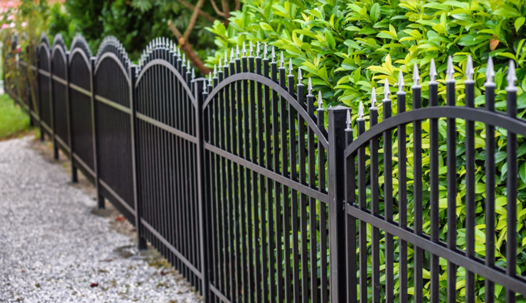
Installing a new fence is an exciting home improvement project. Whether you're creating a private backyard, building a safe space for your dog, or adding a decorative boundary, a fence can make your property more functional and attractive.
But before choosing the material, color, or height, there's an important question to answer: Where can you legally and safely install your fence?
For homeowners in Holly Springs, Apex, Fuquay-Varina, and surrounding Wake County communities, property lines, easements, underground utilities, and neighborhood restrictions can all influence fence placement.
These details are easy to overlook, especially when a backyard appears to have obvious boundaries. Unfortunately, making assumptions about where a fence belongs can lead to costly problems, including relocation, disputes with neighbors, or damage to underground infrastructure.
At Stand Strong Fencing of Holly Springs, we believe a successful fence installation begins with proper planning. Here's what homeowners should understand before breaking ground.
1. Know Exactly Where Your Property Lines Are
One of the most common mistakes homeowners make when planning a fence is assuming they know where their property ends.
A row of trees, an existing fence, a landscaping border, or the edge of a maintained lawn may appear to mark a property boundary. However, those features don't necessarily reflect the legal property line.
In some cases, a previous homeowner may have installed landscaping or fencing several feet inside the actual boundary. In others, neighboring property owners may have maintained portions of land that don't belong to them.
Installing a fence based on these assumptions can create problems.
Why Property Lines Matter
A fence installed beyond your legal boundary could encroach on a neighbor's property.
This may result in disagreements, requests to remove or relocate the fence, or complications when selling your home.
Even if your neighbor doesn't initially object, an incorrectly placed fence may become an issue during a future property survey or real estate transaction.
How Do You Find Your Property Lines in North Carolina?
Several resources can help you begin researching your property's boundaries.
Property surveys: A survey prepared by a licensed professional surveyor is one of the most reliable ways to establish legal property boundaries.
Recorded plats: Subdivision plats may show lot dimensions, easements, and other relevant information.
Property records: Wake County property records can provide useful information about your parcel, although online maps should not be treated as exact boundary surveys.
Existing survey markers: Some properties have iron pins or other markers identifying boundary corners. However, their location and significance should be confirmed by a qualified professional.
If you're uncertain about your boundaries, obtaining a current survey before fence installation can help prevent expensive mistakes.
2. Understand What an Easement Means for Your Fence
An easement is a legal right allowing another person, utility provider, government agency, or other entity to use a portion of property for a particular purpose.
You may own the land, but certain activities within that area can be restricted.
Easements are especially important when planning a fence because they may affect where posts, panels, and gates can be installed.
Common Types of Easements in Holly Springs
Utility easements
Utility easements allow access to infrastructure such as electrical lines, water pipes, sewer systems, telecommunications equipment, and other services.
Some utility infrastructure is underground, while other equipment may be visible above ground.
A fence that obstructs access could interfere with maintenance or emergency repairs.
Drainage easements
Drainage easements help manage stormwater runoff and protect designated drainage areas.
These may include swales, channels, underground drainage systems, or other stormwater infrastructure.
Installing a fence in the wrong location could interfere with water flow or maintenance access.
Access easements
Some properties include easements that allow another property owner or authorized party to cross a designated area.
A fence or locked gate could interfere with those access rights.
Can You Build a Fence on an Easement?
Sometimes, but not always.
The answer depends on the easement's recorded terms, the entity holding the easement, and any applicable local requirements.
Some easements may permit certain fences if access remains available. Others may prohibit permanent structures or require written approval.
In certain situations, an authorized utility provider or other easement holder may have the right to remove fencing that interferes with its access.
The safest approach is to identify any easements before finalizing your fence layout and confirm what restrictions apply.
3. Call 811 Before Digging Fence Post Holes
A fence installation may involve digging numerous post holes around your property.
Although these holes may appear relatively small, underground utility lines can be located in unexpected places.
Striking an underground utility can cause service interruptions, property damage, serious injuries, or other hazards.
That's why underground utility locating is an essential part of fence installation planning.
What Is NC 811?
North Carolina 811 is the state's utility notification system.
Before excavation, the person responsible for the digging must ensure that the required notice is submitted so participating utility operators can identify the approximate locations of their underground facilities.
North Carolina generally requires advance notification of at least three full working days, excluding weekends and legal holidays, before excavation begins.
Homeowners and contractors can learn more at NC811.org.
Does 811 Mark Every Underground Line?
No.
This is an important distinction.
The 811 process generally addresses underground facilities operated by participating utility owners.
Certain privately owned lines may not be marked through the standard notification process.
Examples can include:
Private irrigation systems
Landscape lighting wires
Privately installed electrical lines
Some lines serving detached buildings
Certain private water or sewer connections
Underground pet containment systems
If you have private underground infrastructure, additional locating services may be necessary.
Why Utility Markings Matter for Fence Placement
Utility markings help installers identify areas requiring special precautions.
However, the markings indicate approximate facility locations rather than guaranteeing exact depth or position.
Appropriate excavation practices must still be followed.
A professional fencing contractor can coordinate installation planning with the required utility locating process.
4. Check HOA Fence Requirements Before Choosing a Design
Holly Springs includes many residential communities governed by homeowners associations.
These communities may establish architectural guidelines covering exterior improvements, including fencing.
Even if a particular fence is allowed under local zoning rules, it may not satisfy your HOA's requirements.
Common HOA Fence Restrictions
Homeowners associations may regulate:
Fence height
Approved materials
Permitted colors
Picket spacing
Privacy fence designs
Fence placement
Gate styles
Decorative features
Whether fencing can extend beyond the rear corners of a home
For example, one neighborhood may permit six-foot wood privacy fencing, while another may require a specific style of black aluminum fencing.
These are examples, not universal Holly Springs HOA rules.
Should You Get HOA Approval Before Scheduling Installation?
Yes, when approval is required by your community's governing documents.
It's generally best to obtain written approval before purchasing materials or beginning construction.
An HOA may request a property survey, proposed fence location, material specifications, photographs, or drawings.
Planning ahead helps reduce the risk of having to modify a design after installation.
5. Understand Holly Springs Fence Regulations
In addition to HOA requirements, municipal regulations can affect fence installation.
The Town of Holly Springs has development standards that may regulate fence placement, height, materials, and visibility in certain locations.
The rules that apply to your property may depend on factors such as zoning, lot configuration, street frontage, and the proposed fence location.
Front Yard vs. Backyard Fencing
Front-yard fences can be subject to different requirements than fences installed along side or rear property boundaries.
A fence that is acceptable behind a home may not be permitted at the same height or in the same design near a street.
Corner Lots and Visibility
Corner properties deserve special attention.
Fences near intersections or driveways may need to preserve visibility for drivers, cyclists, and pedestrians.
These restrictions can influence fence height, design, and placement.
Historic or Special Development Areas
Certain properties may be subject to additional design standards or recorded development conditions.
Before installation, homeowners should confirm the applicable rules with the Town of Holly Springs or other relevant jurisdiction.
For official municipal information, visit HollySpringsNC.gov.
6. Don't Overlook Drainage When Planning Your Fence
A property boundary may look straightforward on paper, but the ground itself can introduce challenges.
Holly Springs properties can include sloped backyards, drainage swales, wooded areas, and low-lying sections where water collects after heavy rainfall.
These conditions should be evaluated before installation.
Can a Fence Affect Drainage?
Yes, depending on the design and placement.
A solid fence may influence the movement of surface water or debris, particularly if its bottom edge or associated landscaping obstructs an existing drainage path.
Fence posts installed in areas experiencing erosion or unstable soil may also require special consideration.
What Should Homeowners Look For?
Before installing a fence, observe your yard during and after heavy rainfall.
Pay attention to areas where:
Water flows downhill
Soil washes away
Puddles remain for extended periods
Drainage channels cross the property
Water moves between neighboring lots
These observations can help your fencing contractor understand the site's conditions.
If significant drainage problems already exist, a qualified drainage professional may need to evaluate them before installation.
7. Plan Your Gates Before Finalizing the Fence Layout
Gates are easy to treat as an afterthought, but their location can affect how convenient your fenced yard is to use.
A poorly positioned gate may create unnecessary obstacles when mowing the lawn, moving outdoor furniture, or accessing equipment.
Questions to Ask Before Choosing Gate Locations
Will you need to move a lawn mower or wheelbarrow through the opening?
Do you want access from both sides of the house?
Will landscaping equipment need to enter the backyard?
Does the gate open onto level ground?
Could a gate interfere with a drainage area or utility easement?
Do you need convenient access to a shed, patio, or garden?
For some homeowners, installing two pedestrian gates may be more practical than relying on a single access point.
Others may benefit from a wider gate designed for equipment access.
Planning these details before construction can prevent future inconvenience.
8. Talk to Your Neighbors Before Installing a Boundary Fence
Although discussing a fence with neighbors isn't always a legal requirement, communication can help avoid misunderstandings.
This is especially useful when the proposed fence will be close to a shared property boundary.
Your neighbor may have concerns about access, landscaping, drainage, or the appearance of the fence from their side.
A simple conversation before installation can provide an opportunity to address those concerns.
However, a neighbor's verbal agreement doesn't replace a survey, legal authorization, or required approvals.
If a fence will be installed directly on a shared boundary, ownership and maintenance responsibilities should be clarified before construction.
9. Decide Whether to Build on or Inside Your Property Line
Homeowners often ask whether a fence should be installed directly on the property line or slightly inside it.
There isn't one universal answer.
The appropriate placement depends on local requirements, easements, property conditions, and any agreements with neighboring owners.
Installing a fence entirely within your property may help avoid certain boundary disputes.
However, placing it too far inside the boundary can create a narrow strip of land that is difficult to maintain.
A professional survey and careful planning can help you determine a suitable location.
10. Create a Fence Installation Checklist
Before moving forward with your project, make sure you've addressed the major planning considerations.
Pre-Installation Checklist
Confirm property boundaries using reliable survey information.
Review recorded easements and restrictions.
Check applicable municipal fence regulations.
Obtain HOA approval if required.
Identify underground utilities through the NC 811 process.
Arrange private utility locating when necessary.
Review drainage and terrain conditions.
Choose appropriate fence materials and height.
Determine gate locations and access needs.
Discuss shared-boundary concerns with neighbors.
Review the proposed layout with your fencing contractor.
Confirm the installation scope and schedule.
Completing these steps can help your project move forward with fewer surprises.
Why Professional Fence Planning Matters
Installing a fence involves more than measuring a backyard and ordering materials.
The finished fence needs to work with the property's boundaries, terrain, utilities, drainage, and applicable restrictions.
An overlooked easement or incorrectly assumed property line can create complications that are much more expensive than addressing the issue during planning.
At Stand Strong Fencing of Holly Springs, we help homeowners evaluate their fencing needs and develop practical