


Fence permit regulations in Dallas TX define how residential and commercial fences must be designed, built, and approved to ensure safety, visibility, and zoning compliance. These rules typically control fence height, placement, and material use, especially in residential neighborhoods and corner lots. Working with experienced professionals like Stand Strong Fencing helps ensure compliance, smoother approvals, and properly executed installations that meet both design goals and local legal requirements.
If you are planning any fencing project in North Texas, understanding the Fence Permit Guide Dallas TX Rules and Costs is essential before you start building. Permit rules can affect your timeline, budget, and even design choices. Dallas has specific fencing regulations that homeowners must follow to avoid fines or forced modifications, especially for residential and corner-lot properties.
This guide explains everything in a simple, practical way so you can plan your fence with confidence.

Understanding Fence Permits in Dallas TX
In Dallas, fence permits exist to maintain safety, visibility, and neighborhood standards. Not every fence requires a permit, but many residential and commercial projects do depending on height, location, and structure type.
Homeowners often assume permits are optional, but a Fence contractor working across Dallas will usually confirm that approval is required for anything outside standard guidelines. This is especially true for residential fence installation projects involving privacy fencing or taller backyard structures.
In simple terms, the city wants to ensure fences:
- Do not block traffic visibility
- Stay within height limits
- Respect property boundaries
- Follow zoning rules
Dallas Fence Permit Rules You Need to Know
Fence regulations in Dallas are fairly structured, but they become easier to understand when broken down into real conditions homeowners face.
Most standard residential fences are allowed without major complications, but issues arise when height, design, or placement go beyond normal limits.
Height Rules
Front yard fences are typically restricted to lower heights for visibility, while backyard fences are allowed to be taller. This is important for anyone planning a backyard privacy fence or full perimeter enclosure.
Corner Lot Visibility Rules
If your home is on a corner lot, the city enforces a “visibility triangle” rule. This prevents tall or solid fences from blocking driver sightlines.
Material Guidelines
Approved fencing materials usually include wood, iron, and vinyl. Many homeowners choose wood privacy fencing because it balances durability with a natural aesthetic.
Property Line Accuracy
Before construction, property boundaries must be confirmed. This prevents disputes and is especially important for custom fence installation projects.
Fence Permit Process in Dallas TX
The permit process is not overly complicated, but skipping steps can cause delays or penalties.
Typically, the process follows this flow:
Confirm zoning requirements for your property
Get a land survey if needed
Submit a permit application to the city
Wait for review and approval
Begin construction after approval
Many local fence companies handle this entire process for homeowners, making it easier to focus on design and materials instead of paperwork.
If you're planning commercial fence installation in Dallas, it's important to confirm the applicable permit requirements, property lines, and local regulations before beginning the project.
Fence Permit Cost in Dallas TX
The cost of a fence permit in Dallas is usually not the biggest expense in a fencing project, but it is still an important part of planning.
When homeowners search for fence installation cost Dallas, they often combine permit costs with total installation pricing to get a realistic budget.
Permit costs depend on:
- Fence height and complexity
- Property type
- Inspection requirements
- Survey needs (if required)
Choosing the Right Fence Contractor
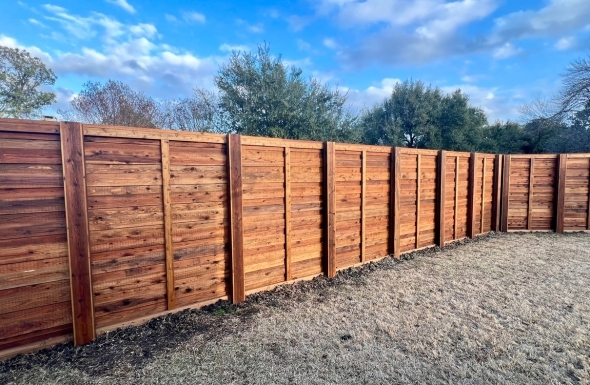
Permit approval is only one part of the process. The contractor you choose determines how smoothly everything goes from start to finish.
A reliable fence company Dallas should offer:
- Permit handling assistance
- Accurate property assessment
- Material recommendations
- Clear installation planning
- Experience with local codes
This is especially important for wood fence contractors working on privacy-focused residential builds or custom designs.
Residential vs Commercial Fence Requirements
Fence needs vary depending on property type.
For residential properties, fencing is usually focused on privacy, safety, and appearance. This is where residential fence builders and backyard fence installation projects are most common.
Commercial properties, on the other hand, often require stronger security-focused structures. These fall under commercial fence installation, where regulations can be more strict depending on zoning.
Common Fence Types Allowed in Dallas TX
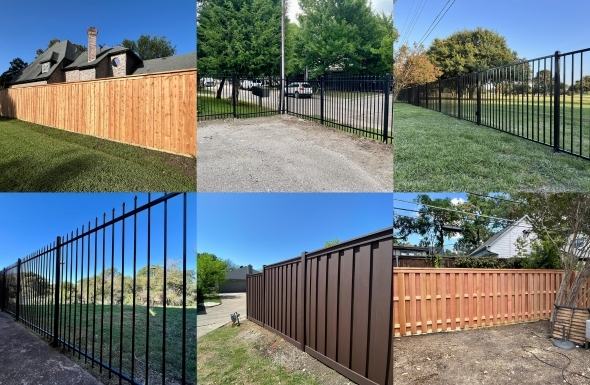
Dallas allows a variety of fencing styles, as long as they meet zoning requirements.
Popular choices include:
- Wood privacy fences
- Iron fencing
- Steel Fencing
- Aluminum Fencing
- Composite Fencing
- Decorative custom designs
Many homeowners prefer custom wood fencing because it blends naturally with residential neighborhoods while still offering flexibility in design.
Practical Tips to Avoid Permit Problems
Homeowners can avoid most fencing issues by following a few simple steps:
- Always confirm zoning rules before building
- Do not start construction before approval
- Work with licensed contractors familiar with local codes
- Keep fence height within allowed limits
- Get a property survey when boundaries are unclear
These steps significantly reduce delays and compliance risks.
Stand Strong Fencing: Local Expertise That Simplifies Permits
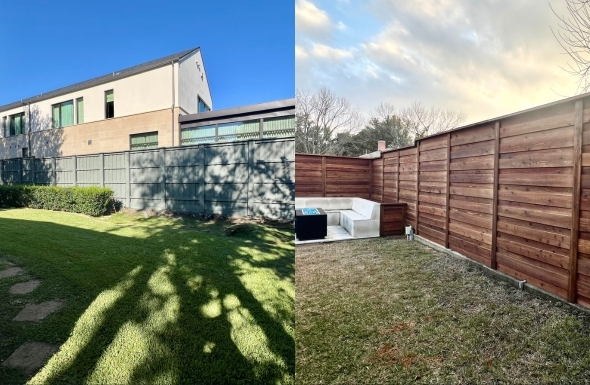
Navigating permits becomes much easier when working with experienced professionals. Stand Strong Fencing is a trusted name in the Dallas area, helping homeowners manage everything from design to compliance.
They specialize in:
- Wood fence installation
- Fence design and installation
- Custom residential and commercial fencing solutions
Their experience with local regulations helps ensure projects move smoothly without unnecessary delays or permit issues.
Conclusion
Understanding fence permit rules in Dallas TX is essential for any homeowner planning a fencing project in 2026. From height restrictions to property line rules, compliance ensures your fence is safe, legal, and long-lasting.
Whether you are planning a fence installation Dallas, working with experienced professionals ensures better results and fewer complications. Companies like Stand Strong Fencing help simplify the entire process, from permits to installation, so homeowners can focus on design and value.

Frequently Asked Questions
1. Do I need a permit for fence installation in Dallas TX?
In many cases, yes. A fence permit in Dallas TX may be required depending on the fence height, location, material, and whether the fence faces a street or alley. Homeowners should always review current city regulations before starting any fence installation in Dallas TX to avoid violations or project delays.
2. What is the typical fence permit cost in Dallas TX for 2026?
The fence permit cost in Dallas TX can vary based on the project scope, fence type, and city requirements. Permit fees for 2026 may also differ for residential and commercial fencing projects. Additional costs can include surveys, HOA approvals, or revisions required for non-compliant fence plans.
3. Are there fence height restrictions in Dallas neighborhoods?
Yes. Dallas fencing regulations often include rules regarding fence height, especially for front yards, corner lots, and properties near public streets. Some HOA communities may also enforce stricter guidelines for residential fencing in Dallas TX, including approved materials, colors, and decorative styles.
4. Can a fence contractor help with Dallas permit approvals?
Yes. An experienced fence contractor in Dallas TX can help homeowners navigate the permit application process, city requirements, and HOA documentation. Professional contractors often help reduce approval delays and ensure fence plans meet local building codes before installation begins.
5. What happens if I build a fence without a permit in Dallas?
Installing a fence without the required approval can lead to fines, stop-work notices, or mandatory fence modifications. Following the proper Dallas fence permit guidelines helps homeowners avoid legal issues and costly corrections after construction.
6. How long does fence permit approval take in Dallas TX?
Approval timelines can vary depending on the project size, property location, HOA involvement, and city review process. Some fence permit Dallas TX applications may be approved quickly, while others may require additional documentation or inspections before work can begin.
7. Do HOA communities in Dallas require separate fence approvals?
Yes. Many neighborhoods require HOA approval in addition to city permits. Homeowners planning fence design and installation in Dallas TX should verify HOA requirements related to fence height, materials, gate placement, and approved styles before starting the project.