


A damaged fence doesn’t always mean you need a completely new one, but repeated repairs can be a sign that the fence is reaching the end of its useful life. Between intense Texas sun, heavy storms, moisture, and everyday wear, fencing in Argyle takes plenty of punishment over time. If you’re trying to decide whether to keep fixing what you have or replace it altogether, these five signs can help you make a more informed choice.
5 Signs Your Fence Has Crossed Into Replacement Territory
.png)
1. Rot or structural decay. Soft, crumbling wood, mold growth, or discoloration usually means the damage has moved past the surface. At that point, repeated patching costs more over time than one clean replacement.
2. Leaning or unstable sections. A fence that leans, especially after a storm, has a foundational problem, not a cosmetic one. Broken or shifting posts are a safety issue, not just an eyesore.
3. Repeat repairs in a short window. If you've called someone out more than once or twice this year for the same fence, the math has likely already tipped toward replacement.
4. Missing or unsalvageable boards and panels. One broken board is a fix. Whole sections missing or too damaged to secure means the fence can no longer do its job.
5. Termite or insect damage. Hollowed wood, mud tubes, or visible insect activity in a wood fence rarely stays contained — it spreads, and repair only buys time.
When Repair Actually Makes Sense
Not every problem calls for a full teardown. Repair is usually the right call when:
- Less than 20% of the fence is affected
- The posts themselves are still solid and secure
- The damage came from a single event, a fallen branch, a minor collision, rather than age
- You're working with a tight budget and the rest of the fence has years left in it
Typical repairs include swapping individual boards or panels, resetting loose posts, treating localized rot or insects, re-staining for appearance, or welding a metal section back into shape.
When Replacement Wins Out
Flip the numbers, and replacement becomes the smarter spend when:
- More than 25–30% of the fence is compromised
- The fence is past 15 years old and structurally tired
- Rot, termites, or rust have spread widely rather than staying localized
- You want to switch materials or bring the fence into HOA compliance
Replacement also opens the door to design changes a patched-up fence can't offer: a different height, a new material, or a layout that actually matches how you use the yard now.
What It Costs: Repair vs. Full Replacement
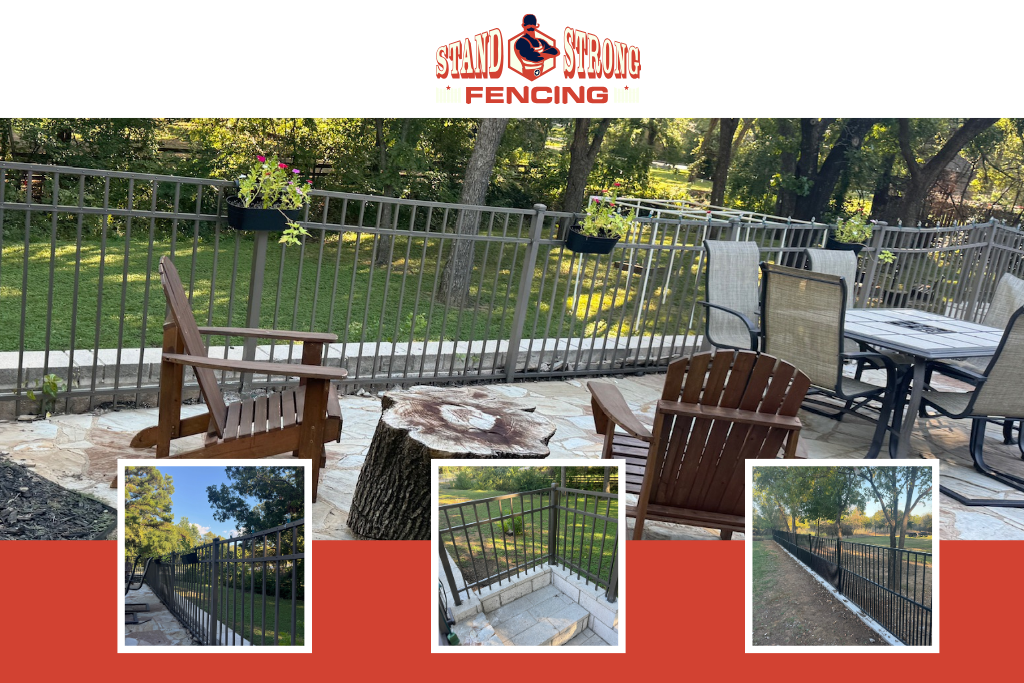
Full residential fence replacement in Argyle typically depends on material, terrain, and how much old fencing needs to be removed and hauled off. A few things move that number:
- Wood sits at the lower end, vinyl and composite in the middle, ornamental steel at the top
- Slopes, tree roots, and rocky soil add labor time
- Some Argyle HOAs and city codes add requirements that affect scope
- Hauling away the existing structure is often priced separately
Repairs, by comparison, are usually a fraction of that per-project — but three or four repairs on the same stretch of fence within a year or two often adds up to more than one replacement would have cost.
How Long Fencing Actually Lasts
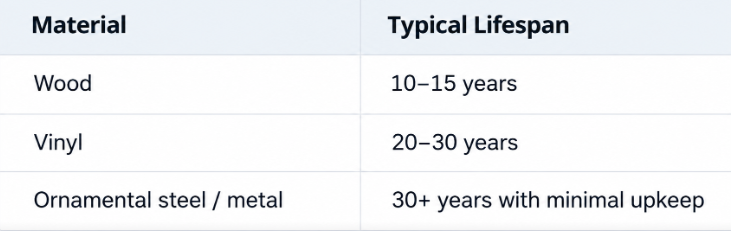
Material lifespan is the other half of this decision:
| |
If your fence is already near or past its material's expected lifespan, repair is usually just delaying the inevitable. |
Residential vs. Commercial
Homeowners and business owners tend to land on different sides of this decision. Residential fence replacement is often driven by privacy, style, and family needs, wood, vinyl, and aluminum fence are the common picks. Commercial properties lean toward durability and access control, where chain link and steel hold up better against heavier use and lower maintenance budgets.
Choose The Right Option With The Expertise of Stand Strong Fencing
Not every damaged fence needs an immediate replacement, but knowing when repairs are no longer a practical option can save you from putting money into a fence that’s nearing the end of its life. If you’re unsure, a professional assessment can help you understand the condition of your fence and whether replacement makes sense. Stand Strong Fencing can evaluate your existing fence and help you determine whether it’s time for a new one, with a recommendation based on the fence’s overall condition and your property’s needs.
Frequently Asked Questions
How do I know if my fence needs repair or full replacement?
Minor, localized damage like a few broken boards, one leaning post, usually just needs repair. If more than 25–30% is compromised or the fence is over 15 years old, replacement is typically the better value.
What's the most durable fencing material for North Texas weather?
Vinyl and metal hold up best against heat, moisture, and pests. Wood needs more upkeep but remains popular for its natural look and flexibility.
Can I mix materials when replacing a fence?
Yes. Many homeowners use wood for backyard privacy and metal or vinyl on front-facing sections, a contractor can help design a hybrid layout that works both practically and visually.
What's the best time of year to repair or replace a fence in Texas?
Spring and fall tend to be easiest, since milder temperatures and lower humidity let materials settle properly. Installers can still work year-round with the right planning.