


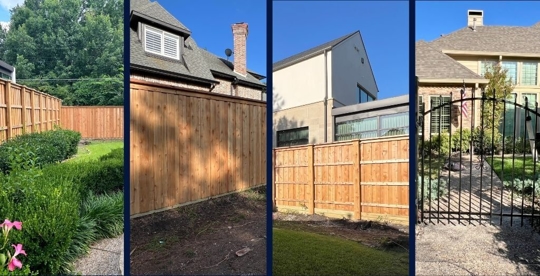
Homeowners in Flower Mound place strong emphasis on privacy, curb appeal, and long term value when choosing a residential fence. Climate conditions, HOA guidelines, and property layout all influence which fence material performs best over time. From classic wood fencing to low maintenance vinyl and durable wrought iron, each option brings specific benefits and tradeoffs. This guide breaks down the most popular residential fence materials used in Flower Mound homes, explaining cost factors, upkeep needs, durability, and visual impact. Whether the goal is backyard privacy, pet safety, or enhancing resale value, understanding these materials helps homeowners make confident, informed decisions. If you are planning a new fence or replacing an older one, this breakdown will help you align the right material with your property needs and local conditions.
What Truly Shapes Fence Choices in Flower Mound Homes
Choosing the right fence material is not just about looks. In Flower Mound, factors like heat, storms, soil conditions, and neighborhood guidelines play a major role in fence performance. A well chosen fence protects privacy, defines boundaries, and adds value to the home. Below are the residential fence materials most commonly installed in Flower Mound and why homeowners prefer them.
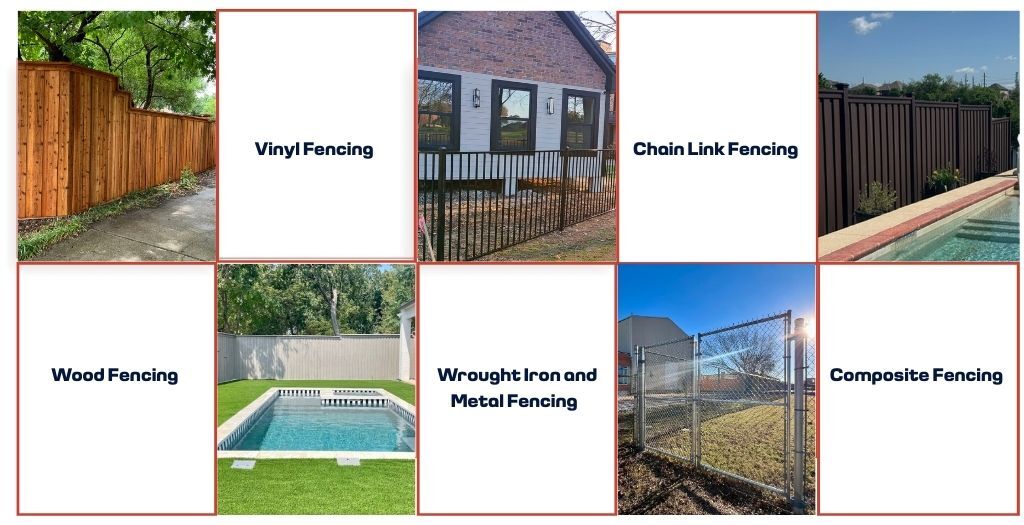
1. Wood Fencing
Wood remains the top choice for residential fencing in Flower Mound. It offers strong privacy and a traditional appearance that fits most neighborhoods. Cedar and pine are the most used types due to availability and affordability. While wood requires periodic staining or sealing, many homeowners accept the upkeep for its visual warmth and customization options.
2. Vinyl Fencing
Vinyl fencing installation is popular among homeowners who want a clean look with minimal maintenance. It resists moisture, insects, and fading, making it suitable for Texas weather. Although the upfront cost is higher than wood, vinyl often costs less over time due to limited maintenance needs.
Thinking about a low maintenance fence that holds its look year after year?
Talk with a local fencing specialist to compare vinyl options for your property.
3. Wrought Iron and Metal Fencing
Wrought iron fencing is common in front yards and decorative applications. These fences provide security while keeping the property visually open. They work well for homes with landscaping or scenic views. Metal fencing lasts long but does not provide privacy unless paired with panels or hedges.
4. Chain Link Fencing
Chain link fencing is widely used for budget friendly boundary fencing. It is durable and practical, especially for large yards or pet containment. Many homeowners choose vinyl coated chain link to improve appearance and reduce rust concerns.
If cost control matters without sacrificing function,
chain link fencing may be worth reviewing with a local installer.
5. Composite Fencing
Composite fencing blends wood fibers and plastic to deliver a modern look with reduced upkeep. It resists warping and insect damage and holds color well in the Texas sun. While pricing sits above wood fencing, homeowners often choose composite for its balance between appearance and longevity.
Conclusion
Selecting the right residential fence material in Flower Mound depends on lifestyle needs, maintenance expectations, and property goals. Wood suits homeowners who value tradition and customization. Vinyl and composite appeal to those seeking lower upkeep. Metal and chain link serve practical and decorative purposes. Understanding these options helps homeowners invest wisely and avoid costly replacements later.

Frequently Asked Questions
1. What is the most common fence material in Flower Mound?
Wood fencing is the most common choice due to its affordability and privacy benefits. Many neighborhoods feature wood fences because they blend well with residential designs. Cedar is especially popular for its natural resistance to insects. Homeowners often choose wood despite maintenance needs.
2. Which fence material lasts the longest?
Vinyl and metal fences generally last longer than wood when properly installed. Vinyl resists moisture, pests, and sun exposure. Wrought iron and aluminum also offer long service life with occasional maintenance. Longevity often depends on installation quality.
3. Is vinyl fencing worth the higher cost?
For many homeowners, vinyl is worth the upfront investment. It requires little maintenance and maintains its appearance for years. Over time, savings on staining and repairs can offset the initial cost. It is a common choice for busy households.
4. Do HOA rules affect fence material choices?
Yes, many Flower Mound neighborhoods have HOA guidelines. These may specify fence height, material, and color. It is important to review HOA requirements before installation. Compliance helps avoid fines or removal orders.
5. Is composite fencing better than wood?
Composite fencing offers better resistance to moisture and insects. It does not require staining or sealing like wood. However, wood remains more budget friendly initially. The better option depends on maintenance preferences and budget.
6. Can chain link fencing be used in residential areas?
Chain link fencing is allowed in many residential areas, especially for side or back yards. Some HOAs restrict its use in front yards. Vinyl coated versions improve appearance. It remains a practical option for large properties.
7. What fence is best for privacy?
Wood and vinyl privacy fences are the top choices. They create solid barriers that block visibility and noise. Fence height also plays a role in privacy levels. These materials are commonly used for backyard enclosures.
8. How does weather affect fence material choice in Texas?
Heat, storms, and soil movement impact fence performance. Materials like vinyl, metal, and composite handle moisture and sun better than untreated wood. Proper installation and maintenance help any fence perform longer. Climate awareness improves long term results.