


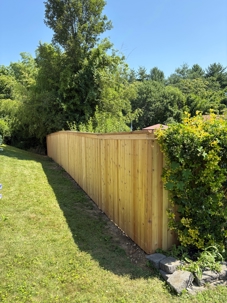
Your fence works hard every day. It provides privacy, keeps children and pets safe, defines property lines, and enhances curb appeal. But like any part of your home, it benefits from regular maintenance. One of the easiest ways to protect your investment is by performing a seasonal fence inspection.
In Chester County, fences are exposed to hot, humid summers, heavy rain, winter snow, ice, and freeze-thaw cycles that can slowly wear down even the highest-quality materials. A quick inspection a few times each year can catch small issues before they become expensive repairs.
At Stand Strong Fencing of West Chester, we recommend homeowners make seasonal fence inspections part of their regular home maintenance routine.
Why Seasonal Fence Inspections Matter
Many fence problems start small. A loose fastener, leaning post, or minor crack may seem insignificant today, but over time those issues can spread throughout the fence.
Routine inspections can help you:
- Prevent costly repairs
- Extend the life of your fence
- Improve safety
- Preserve your property's appearance
- Protect your investment
A well-maintained fence can last for decades, especially when minor problems are addressed early.
Spring: Check for Winter Damage
Winter can be tough on fences throughout West Chester and Chester County. Snow accumulation, ice, frozen ground, and repeated freeze-thaw cycles can all affect structural stability.
As spring arrives, inspect your fence for:
- Leaning or shifting posts
- Loose concrete around posts
- Cracked boards
- Broken pickets
- Rust beginning to form on metal fencing
- Frost heaving around post bases
Spring is also an excellent time to remove leaves, branches, and debris that collected along the fence line during winter.
Summer: Watch for Moisture and Growth
Summer weather brings heat, humidity, and rapid plant growth. While warm weather is ideal for enjoying your backyard, it's also when vegetation can begin affecting your fence.
Look for:
Overgrown Landscaping
Bushes, vines, and tree limbs that press against the fence can trap moisture and accelerate deterioration.
Trim vegetation so air can circulate around your fence.
Moisture Issues
After heavy summer storms, inspect wood fencing for:
- Water staining
- Soft spots
- Beginning signs of rot
- Mold or mildew
Although modern wood fencing is built to withstand outdoor conditions, standing moisture should never be ignored.
Gate Performance
Heat can cause slight expansion in some fencing materials.
Open and close every gate to ensure:
- Hinges remain secure
- Latches operate properly
- Gates don't sag or drag
Fall: Prepare for Winter
Fall is the perfect time to prepare your fence for another Pennsylvania winter.
Inspect for:
- Loose hardware
- Weak fence sections
- Missing fasteners
- Areas that may collect standing water
Clear leaves from along the fence line, particularly around posts, where trapped moisture can contribute to premature deterioration.
If your wood fence is due for staining or sealing, fall often provides ideal weather before freezing temperatures arrive.
Winter: Monitor Snow and Ice
While you may not perform a full inspection during winter, it's important to keep an eye on your fence after major storms.
Avoid piling shoveled snow directly against fencing whenever possible.
If ice forms on gates or hardware, avoid forcing them open, which can damage hinges or latches.
After heavy snow, look for:
- Leaning sections
- Bent rails
- Damage from fallen tree limbs
- Gates that no longer align properly
What to Inspect on Every Fence
Regardless of the season, every inspection should include the following areas.
Fence Posts
Posts are the foundation of every fence.
Check for:
- Leaning
- Movement when pushed
- Cracked concrete
- Soil erosion around the base
If a post begins moving, the rest of the fence will eventually follow.
Rails
Horizontal rails support the fence panels.
Inspect for:
- Cracks
- Separation from posts
- Loose fasteners
- Warping
Fence Panels or Boards
Walk the full length of your fence looking for:
- Cracked boards
- Loose pickets
- Splitting wood
- Missing screws or nails
- Warped sections
Even a single damaged board can allow additional stress throughout the fence.
Gates
Gates experience more movement than any other part of the fence.
Check:
- Hinges
- Latches
- Gate alignment
- Smooth operation
- Sagging
Many homeowners ignore gate problems until they become difficult to open or close.
Hardware
Inspect every:
- Screw
- Bolt
- Bracket
- Hinge
- Latch
Loose hardware is usually inexpensive to tighten or replace but can lead to much larger repairs if ignored.
Fence Material-Specific Inspection Tips
Different fencing materials require different maintenance.
Wood Fencing
Inspect for:
- Rot
- Insect activity
- Splitting
- Loose boards
- Fading stain
Wood fences benefit from occasional cleaning and protective staining to maximize longevity.
Vinyl Fencing
Vinyl requires less maintenance but should still be inspected for:
- Cracks
- Impact damage
- Loose rails
- Dirt buildup
A simple wash with mild soap and water often restores its appearance.
Aluminum Fencing
Check for:
- Loose pickets
- Damaged powder coating
- Bent sections
- Loose fasteners
Touch up damaged coatings before corrosion has an opportunity to develop.
Chain Link Fencing
Inspect for:
- Loose tension wire
- Bent posts
- Rust
- Damaged mesh
- Gate alignment
Chain link fences are extremely durable but still benefit from periodic adjustments.
Signs It's Time to Call a Professional
Some maintenance can be handled by homeowners, but certain problems deserve professional attention.
Consider contacting Stand Strong Fencing if you notice:
- Multiple leaning posts
- Fence sections pulling apart
- Gates that no longer latch
- Significant storm damage
- Large areas of rot
- Broken concrete footings
- Extensive rust or corrosion
Prompt repairs often prevent complete fence replacement.
Protect Your Investment Year After Year
Your fence is one of the first things people notice about your property. Regular seasonal inspections help preserve its beauty, improve safety, and extend its lifespan.
Whether your fence is wood, vinyl, aluminum, chain link, composite, or agricultural fencing, a little preventive maintenance goes a long way.
If you discover damage during your inspection or you're unsure whether repairs are needed, the experienced team at Stand Strong Fencing of West Chester is here to help. We provide honest evaluations, expert repairs, and professional fence installation throughout West Chester and the surrounding Chester and Delaware County communities.
Schedule your free consultation today and keep your fence standing strong through every season.