


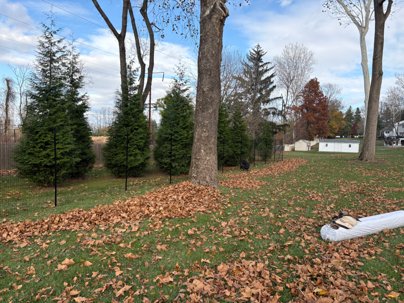
A perfectly flat backyard can make fence installation relatively straightforward. But if you live in West Chester, PA, or the surrounding Chester County communities, there's a good chance your property has at least some uneven terrain.
From gently rolling lawns to steep hillsides and properties with significant elevation changes, the landscape throughout southeastern Pennsylvania can present unique challenges when installing a fence.
The good news? A sloped yard doesn't mean you have to sacrifice privacy, security, or curb appeal. With the right fencing materials, design, and installation techniques, you can create an attractive, functional fence that follows your property's natural contours.
At Stand Strong Fencing of West Chester, we help homeowners throughout Chester and Delaware counties find fencing solutions for properties of all shapes and sizes.
Here's what you should know before installing a fence on uneven ground.
Can You Install a Fence on a Sloped Yard?
Yes. Fences can be installed on sloped yards, but the best installation method depends on the severity of the slope, the type of fencing material, and how you plan to use the enclosed space.
There are two primary approaches to installing a fence on uneven terrain:
Stepped fencing: Fence panels remain level, creating a stair-step appearance as the ground rises or falls.
Racked fencing: Fence panels follow the slope of the ground, creating a more continuous appearance.
Both methods can work well, but each offers different advantages.
Understanding the differences can help you make a better decision for your property.
What Is a Stepped Fence?
A stepped fence uses individual panels installed horizontally between posts. As the ground rises or falls, each panel is positioned at a different height, creating a staircase-like effect.
This approach is particularly useful when working with rigid fence panels that cannot easily adjust to changes in elevation.
Advantages of Stepped Fencing
Works with many fencing materials
Stepped installation can accommodate a variety of materials, including certain vinyl, wood, aluminum, and composite fence systems.
Creates clean, straight lines
Each panel remains level, providing a structured appearance that can complement traditional homes and formal landscaping.
Can accommodate significant elevation changes
Stepped fencing may be a practical solution for properties where the grade changes considerably over a relatively short distance.
Potential Drawbacks
One important consideration is the space that can develop beneath individual fence panels.
Because the panels remain level while the ground slopes, triangular gaps may appear between the bottom of the fence and the soil.
These gaps can be especially concerning for homeowners with small dogs or other pets.
Depending on the property, additional landscaping, custom panels, or other adjustments may be needed to reduce openings.
What Is a Racked Fence?
A racked fence follows the natural slope of the ground rather than creating individual steps.
The rails and panels angle downward or upward between posts, allowing the fence to maintain a more consistent distance from the ground.
This technique is sometimes called a contoured fence installation.
Advantages of Racked Fencing
Follows the natural landscape
Racked fencing creates a continuous appearance that can blend naturally with rolling lawns and gently sloping properties.
Can reduce gaps beneath the fence
Because the fence follows the terrain, there may be fewer large openings between the bottom of the fence and the ground.
Provides a flowing appearance
For homeowners who prefer a fence that complements the natural contours of their property, racked installation can be an attractive choice.
Potential Drawbacks
Not every fence material or panel design can accommodate racking.
Some prefabricated fence systems have limited flexibility, while others are specifically designed to adjust to different slopes.
Steep grades may also exceed the allowable racking angle of certain products.
A professional fence installer can determine whether racked fencing is appropriate for your yard.
Stepped vs. Racked Fencing: Which Is Better?
Neither installation method is automatically better. The right choice depends on your property's terrain and your priorities.
| Feature | Stepped Fencing | Racked Fencing |
|---|---|---|
| Appearance | Stair-step design | Follows the slope |
| Best suited for | Moderate to steep grades, depending on design | Gentle to moderate slopes within product limits |
| Ground gaps | May create larger gaps | Often reduces gaps |
| Material compatibility | Many rigid panel systems | Systems designed to rack |
| Pet containment | May require modifications | Often helpful for reducing openings |
| Installation | Requires careful panel placement | Requires compatible panels and precise alignment |
For some properties, the best solution may involve combining both methods.
For example, a yard with a gradual slope along one property line and a steep grade along another may benefit from different installation techniques in each area.
What Are the Best Fence Materials for Sloped Yards in Chester County?
Choosing the right fence material is just as important as selecting the installation method.
Different materials offer varying levels of flexibility, privacy, maintenance, and durability.
Aluminum Fencing
Aluminum fencing is a popular option for sloped properties because many aluminum fence systems are available with adjustable or rackable panels.
This can make aluminum an excellent choice for homeowners who want to enclose a yard without blocking views of surrounding landscaping.
Benefits include:
Low maintenance requirements
Resistance to rust
Attractive decorative styles
Open designs that preserve visibility
Rackable options for uneven terrain
Aluminum fencing can work particularly well for properties with rolling lawns, landscaped backyards, and scenic views.
However, the amount of slope a panel can accommodate depends on the specific product.
Wood Fencing
Wood fencing offers considerable design flexibility, making it a strong option for properties with unusual layouts or changing elevations.
Depending on the design, wood fences can be constructed using stepped sections or customized to follow the terrain.
Wood is particularly appealing for homeowners seeking:
Backyard privacy
Traditional aesthetics
Custom fence heights
Flexible panel configurations
Natural materials that complement landscaping
For sloped properties, custom wood fencing can sometimes provide solutions that standard prefabricated panels cannot.
Keep in mind that wood requires periodic maintenance to protect against moisture, insects, and weather-related deterioration.
Vinyl Fencing
Vinyl fencing is popular among Chester County homeowners because it offers a clean appearance with relatively little ongoing maintenance.
However, installing vinyl fencing on a slope requires careful planning.
Some vinyl fence systems are designed to accommodate limited racking, while others must be installed using a stepped approach.
For privacy fencing, this distinction is especially important.
Large gaps beneath stepped privacy panels may compromise the enclosure's appearance or functionality.
Choosing a vinyl system appropriate for the property's grade can help prevent these issues.
Chain Link Fencing
Chain link fencing is another practical option for uneven properties.
Because chain link fabric can be adjusted during installation, it can often accommodate changing ground elevations more easily than rigid fence panels.
Chain link fencing is worth considering for:
Large residential properties
Pet enclosures
Side yards
Utility areas
Commercial properties
Properties where function is the primary concern
For homeowners who prioritize security and affordability over complete privacy, chain link fencing can be an effective solution.
Why Drainage Matters When Installing a Fence on a Hill
One of the most overlooked aspects of fencing a sloped yard is drainage.
Water naturally moves downhill, and heavy rain can create runoff patterns that affect soil stability and fence foundations.
Throughout Chester County, seasonal rainstorms, saturated soil, and winter freeze-thaw cycles can place additional stress on fence posts.
Poorly planned installation may contribute to problems such as:
Soil erosion around posts
Water collecting near fence foundations
Exposed footings
Shifting or leaning posts
Washouts beneath fence panels
Premature deterioration of certain materials
Before installing a fence, it's important to understand how water moves across your property.
In some cases, minor grading adjustments or drainage improvements may be appropriate. However, fencing should not obstruct established drainage paths or redirect runoff onto neighboring properties.
A fence contractor can identify visible site concerns and coordinate with qualified drainage or grading professionals when necessary.
How Do You Prevent Gaps Under a Fence on Uneven Ground?
For many homeowners, gaps beneath a fence are more than an aesthetic concern.
They can create opportunities for pets to escape, wildlife to enter, or unwanted visibility into the backyard.
Several strategies may help reduce these openings.
Choose a Fence That Follows the Grade
When compatible with the terrain and fencing material, a racked installation can maintain a more consistent distance between the fence and the ground.
Consider Custom Fence Panels
Custom-built sections may accommodate elevation changes more effectively than standard panels in certain situations.
Evaluate the Existing Grade
Minor ground irregularities may sometimes be addressed through appropriate landscaping or grading.
However, significant changes to the terrain should be carefully evaluated to avoid drainage and erosion problems.
Consider Your Pets
If you're installing a fence for dogs, discuss their size, behavior, and ability to dig or squeeze through openings with your fence contractor.
Even a small gap can become a problem for an especially determined pet.
The goal should be a secure enclosure designed around the property's actual conditions rather than simply installing standard panels and hoping the gaps won't matter.
Do Sloped Yards Require Deeper Fence Posts?
Not necessarily.
A sloped yard does not automatically mean every fence post needs to be installed deeper than one on level ground.
However, terrain can affect the engineering and placement of fence foundations.
Factors that influence post installation include:
Soil conditions
Fence height
Fence material
Wind exposure
Grade changes
Erosion potential
Local frost conditions
Manufacturer specifications
In Pennsylvania, proper consideration of freezing temperatures and soil movement is particularly important.
Fence posts must be installed with appropriate support for the site conditions and applicable requirements.
On steep or unstable slopes, additional evaluation may be necessary to ensure long-term structural performance.
How Much Does It Cost to Install a Fence on a Sloped Yard?
Fence installation on uneven terrain can cost more than installation on a flat, easily accessible property.
However, the additional expense depends on the specific challenges involved.
Several factors influence pricing.
Severity of the Slope
A gentle incline may require only minor adjustments to a standard installation.
A steep hillside may involve custom panel configurations, additional labor, or specialized equipment.
Fence Material
Wood, vinyl, aluminum, and chain link fencing have different material costs and installation requirements.
Accessibility
Properties with narrow side yards, mature trees, retaining walls, or difficult access points may require additional labor.
Customization
Specialized panels, custom gates, additional posts, or adjustments to accommodate changing elevations can affect the final project cost.
Ground Conditions
Rocky soil, exposed roots, erosion, and other underground obstacles can complicate post installation.
Because these factors vary considerably, the most reliable way to understand your project's cost is to schedule an on-site fence estimate.
A professional evaluation can help identify potential challenges before installation begins.
Can You Install a Privacy Fence on a Steep Hill?
Yes, privacy fences can be installed on many steeply sloped properties.
However, achieving consistent privacy may require additional planning.
For example, a stepped privacy fence may create openings beneath panels, while certain racked privacy fence systems may have limitations on how much slope they can accommodate.
Homeowners should also consider how changes in elevation affect sightlines.
A six-foot fence installed along a lower section of a yard may provide less privacy from a neighboring property located uphill.
In these situations, fence placement, panel design, and the relationship between neighboring elevations may matter just as much as fence height.
Before choosing a design, consider exactly where you want privacy.
Is your goal to screen a patio, swimming pool, deck, or entire backyard?
Answering that question can help determine the most effective fencing solution.
What About Fencing Near Retaining Walls?
Retaining walls are common landscaping features on sloped properties.
They can create usable outdoor space, manage elevation changes, and support terraces or garden areas.
However, installing a fence near or on top of a retaining wall requires special consideration.
A retaining wall is not automatically designed to support the additional loads created by fence posts and panels.
Wind pressure, post placement, foundation conditions, and the structural capacity of the wall must all be considered.
Depending on the situation, the fence may need to be installed independently of the wall or require an engineered attachment.
If your property includes retaining walls, discuss them with your fence contractor early in the planning process.
Do You Need a Permit to Install a Fence on a Sloped Property in West Chester, PA?
Permit and zoning requirements depend on the municipality where your property is located.
West Chester Borough and surrounding Chester County townships may have different regulations governing fence height, placement, setbacks, and other construction details.
Properties with significant slopes, retaining walls, drainage concerns, or unusual layouts may require additional review.
Homeowners should also check any applicable homeowners association requirements.
Before installation, confirm the rules with your municipality and ensure that property boundaries are accurately identified.
A qualified local fencing contractor can help you understand the questions to ask during the planning process.
Frequently Asked Questions About Fencing Sloped Yards
What is the easiest fence to install on uneven ground?
Chain link and certain rackable aluminum fence systems can adapt well to uneven terrain. However, the easiest installation depends on the slope, soil conditions, access, and desired fence design.
Is a stepped fence stronger than a racked fence?
Not inherently. Both can provide reliable performance when properly designed and installed. Structural strength depends on the fencing system, post foundations, materials, and site conditions.
Can vinyl fencing follow a slope?
Some vinyl fence systems can accommodate limited slopes through racking. Others require stepped installation. The allowable adjustment depends on the manufacturer and panel design.
How do you keep a dog from escaping under a fence on a hill?
Selecting an appropriate fence design, minimizing ground gaps, and addressing digging behavior are important. Racked panels, customized sections, or suitable ground-level barriers may help depending on the property.
Will a fence stop erosion on a hillside?
A standard fence is not designed to function as an erosion-control structure. If your property has significant runoff or unstable soil, drainage and erosion issues should be addressed separately.
Can a fence be installed across a yard with multiple slopes?
Yes. Many properties require a combination of installation techniques. A customized design can accommodate different grades, changes in direction, and varying terrain conditions.
Professional Fence Installation for Sloped Yards in West Chester, PA
Every yard is different, and uneven terrain makes thoughtful fence planning especially important.
Whether your property has a gentle incline, a steep backyard, a terraced landscape, or multiple elevation changes, the right fencing solution should balance appearance, security, functionality, and long-term durability.
At Stand Strong Fencing of West Chester, we help homeowners throughout West Chester, Chester County, and surrounding Delaware County communities explore fencing options tailored to their properties.
From wood and vinyl privacy fences to aluminum and chain link fencing, our team can help you compare materials, evaluate installation methods, and select a design that works with your landscape.
Don't let a sloped yard keep you from enjoying a beautiful, functional outdoor space.
Contact Stand Strong Fencing of West Chester today to schedule a free fence estimate and discover the right fencing solution for your property.