


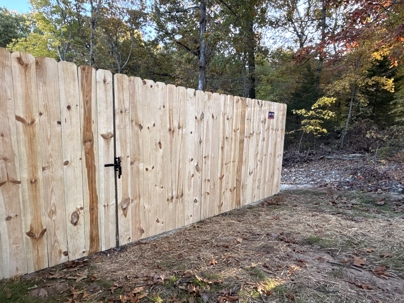
If you have decided on a wood fence, you have already made one of the most important fencing decisions. The next one is which wood? For most homeowners in Northwest Arkansas, that comes down to a choice between two widely available and widely recommended options: western red cedar and pressure-treated pine.
Both are legitimate choices with genuine strengths, and both are used in quality fence installations every day. But they are different materials with different appearances, different maintenance requirements, and different performance characteristics. The right choice depends on your priorities, your budget, and what you want the fence to look like over the long term.
What Cedar Actually Is
Cedar used in fencing is most commonly western red cedar. It is a naturally occurring softwood with properties that make it exceptionally well-suited to outdoor applications without chemical treatment. The natural oils in cedar repel moisture, resist fungal growth, and deter insect damage. They are not applied during manufacturing. They are part of the wood itself, produced by the tree as a natural defense, which is what gives cedar its distinctive scent and its ability to perform outdoors without chemical preservatives.
Cedar's durability varies depending on which part of the log the boards come from. Heartwood cedar, cut from the center of the log, contains the highest concentration of natural oils and is the most durable. Sapwood cedar, cut from the outer portion, has lower oil content and is less resistant to decay. In a single fence installation, boards from different parts of the log may be mixed, which is one reason cedar fence performance can vary between jobs, even when the same species is specified.
What Pressure-Treated Wood Actually Is
Pressure-treated lumber is wood, most commonly southern yellow pine, that has been infused with preservative chemicals under pressure to protect it against decay, fungal growth, and insect damage. The treatment forces preservatives deeply into the wood fibers, providing protection well below the surface in a way that surface-applied treatments cannot replicate.
The chemical formulation used in pressure-treated lumber has changed over the years. Chromated copper arsenate, or CCA, was the standard treatment for residential lumber until it was phased out for residential use in 2003 due to arsenic content. Current residential pressure-treated lumber uses copper-based preservatives, most commonly alkaline copper quaternary or copper azole, which are considered safe for residential applications, including contact with soil.
The treatment level matters for fencing. For fence posts in ground contact, a retention level of 0.40 or higher is appropriate. For above-ground fence boards and rails, 0.15 is typically sufficient. Matching the protection level to the exposure risk is important and something a knowledgeable fence contractor will handle correctly.
Appearance: A Genuine Difference
Cedar has a visual warmth and character that pressure-treated pine cannot match in its natural state. The fine, consistent grain, the reddish-brown heartwood tones, and the way cedar accepts stain with depth and richness make it the premium aesthetic choice among wood fence materials.
Cedar also weathers gracefully without treatment, developing a silver-gray patina that many homeowners find attractive in the right context. Pressure-treated pine, by contrast, starts with a greenish or yellowish tint from the copper preservative that fades over weeks to months. Once dried, it weathers to a less uniform gray-brown and generally does not produce the same depth of finish result as cedar because the grain is coarser. For homeowners planning to paint the fence a solid color, the visual difference between the two materials is less significant. For homeowners who want a natural or stained wood look, cedar consistently delivers the better result.
One important note on pressure-treated wood: it arrives from the treatment process with elevated moisture content and should be allowed to dry for six months to a year before staining or painting. Attempting to finish it too early typically results in poor adhesion and peeling.
Durability and Longevity
Western red cedar heartwood has natural decay resistance that allows it to perform in outdoor conditions for 15 to 30 years in typical climates when properly maintained. The most vulnerable component of any cedar fence is the post in direct ground contact. Cedar posts set directly in soil will typically last 10 to 15 years before the buried portion deteriorates, even with quality cedar. Using concrete footings and keeping the post base above grade extends post life significantly by removing the wood-to-soil interface.
Pressure-treated pine with an appropriate ground-contact retention level is rated for 30 to 40 years in direct soil contact, which is meaningfully longer than cedar posts in the same application. For above-ground fence boards and rails, the durability advantage of pressure-treated lumber over cedar is less pronounced.
This is why many experienced fence contractors, including our team at Stand Strong Fencing of Northwest Arkansas, recommend a hybrid approach: pressure-treated posts for their superior ground-contact durability combined with cedar boards and rails for their superior appearance and staining characteristics. This combination captures the primary strength of each material where it matters most.
Maintenance Side by Side
Cedar requires periodic staining or sealing to preserve both its appearance and performance over time. The natural oils deplete through weathering and UV exposure, and reapplication every two to three years is appropriate for most climates. Northwest Arkansas summers bring real humidity and UV intensity, which means staying on that maintenance schedule matters more here than it would in a drier region. A simple water bead test tells you when it is time: pour water on the fence surface, and if it absorbs rather than beads up, it is time to restain.
Pressure-treated wood requires a drying period after installation before staining or painting, as noted above. Once dried, it can be finished on a maintenance schedule similar to cedar. Unfinished pressure-treated wood will develop surface cracks along the grain as it dries, which is a normal characteristic and not a structural issue, but it is visually significant enough that homeowners who want a finished appearance should plan to stain once the wood has dried adequately.
Cost: Upfront vs. Long-Term
Pressure-treated pine is consistently less expensive than cedar as a raw material, with typical price differences ranging from 20 to 40 percent depending on regional availability and current lumber market conditions. That upfront cost advantage is the primary reason many homeowners default to pressure-treated wood without fully considering the trade-offs.
The full cost picture over the life of the fence is more nuanced. Cedar's superior staining characteristics may reduce refinishing labor costs over time. For fence posts specifically, the longer service life of pressure-treated lumber in ground contact represents genuine long-term value, because post replacement is the most labor-intensive component of fence repair. Fewer post replacements over a long ownership period can offset the higher upfront material cost.
Which Wood Is Right for Your Fence?
Choose cedar when the visual quality of the fence matters to you, when you are willing to invest in periodic staining, and when the natural material character of real wood is part of what you are looking for. Cedar delivers the best aesthetic outcome of any wood fence material when properly maintained.
Choose pressure-treated wood when upfront cost is a primary constraint, when post longevity in ground contact is a high priority, or when you plan to paint the fence a solid color, where the grain difference between the materials is less relevant.
Consider the hybrid approach of pressure-treated posts with cedar boards and rails when you want to optimize both post durability and board appearance. It is a widely used approach that makes practical sense for most NWA homeowners.
Schedule a Quote With Stand Strong Fencing of Northwest Arkansas
Our team installs wood fencing throughout Bentonville, Fayetteville, Rogers, Springdale, and the surrounding NWA communities. We will walk you through the cedar versus pressure-treated decision in the context of your specific project and give you an honest recommendation based on your property, your budget, and the local climate. We also offer professional fence staining services to keep your wood fence looking its best after installation, and composite fencing for homeowners who want a wood-look fence with significantly reduced maintenance requirements.
Every installation is backed by our lifetime workmanship warranty.
Call us at (479) 480-6213 or schedule a quote online today.