


Choosing between commercial fencing installation and replacement is a critical decision for property owners, facility managers, and developers. Commercial fencing decisions depend on fence condition, security needs, and long-term cost. New installation works best for undeveloped or expanding properties, while replacement suits aging but salvageable fences. Material choice, zoning compliance, and maintenance requirements influence value and performance. This guide explains how businesses can evaluate installation versus replacement, with expert insight from Stand Strong Fencing.

Understanding Commercial Fencing: Why the Decision Matters
Commercial fencing serves multiple purposes beyond marking boundaries. It helps:
Control access and enhance security
Protect employees, customers, and assets
Meet zoning and insurance requirements
Maintain a professional appearance
That’s why businesses rely on experienced commercial fencing contractors and a trusted commercial fencing company rather than taking a one-size-fits-all approach.
What Is Commercial Fencing Installation?
(Image)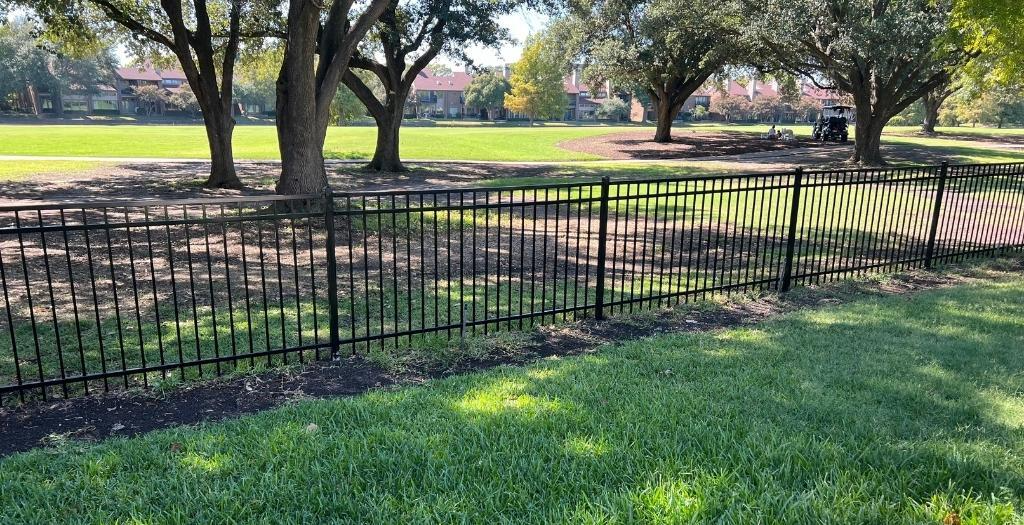
Alt Tag - Commercial Fencing Installation
Commercial fencing installation refers to building a new fence system from the ground up, typically on undeveloped land or properties without existing fencing.
When Installation Is the Right Choice
New construction projects
Property expansions or rezoning
Sites without existing perimeter fencing
Upgrading to a completely different fence type
Professional fence installation companies handle design, permitting, material selection, and construction to ensure compliance and durability.
What Is Commercial Fence Replacement?
(Image)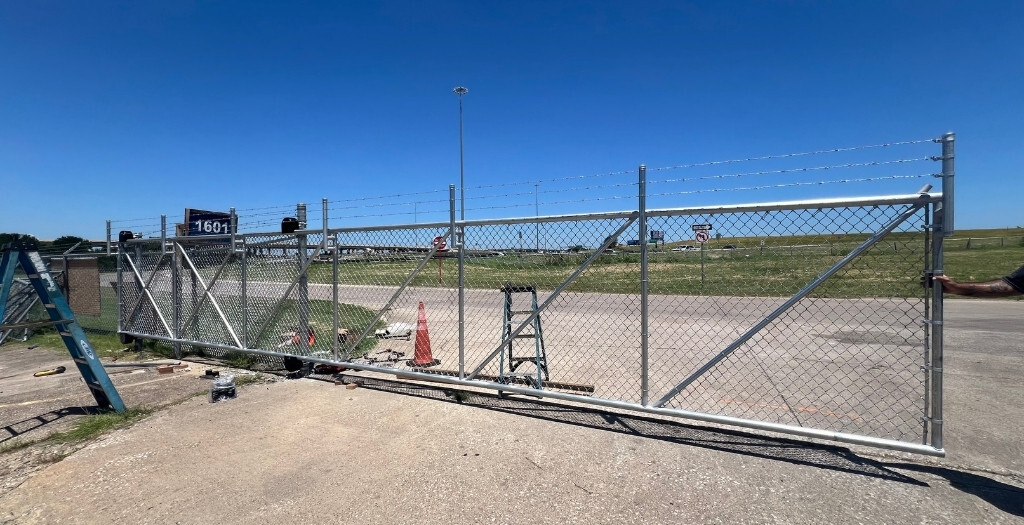
Alt Tag - Commercial Fence Replacement
Replacement involves removing an existing fence and installing a new one in its place.
Replacement Is Ideal When:
The fence is structurally damaged
Materials are outdated or unsafe
Repairs are no longer cost-effective
Security standards have changed
Experienced commercial fence contractors assess whether replacement provides better long-term value than ongoing repairs.
Factors to Consider When Deciding
Extent of Damage – Widespread corrosion, warping, or vandalism often warrants full installation.
Material Lifespan – Chain link, wrought iron, and steel offer 25–30+ years of durability; wood may need more frequent replacement.
Budget and ROI – Replacement may save money upfront, but full installation often offers better long-term value.
Property Usage – High-security areas, industrial facilities, or commercial complexes benefit most from new installations.
Local Regulations – Frisco building codes or HOA rules may require full compliance for new or replacement fences.
Consulting experienced commercial fencing contractors ensures your decision is practical, cost-effective, and compliant.
Commercial Fencing Installation vs Replacement — Cost & Timeline Comparison
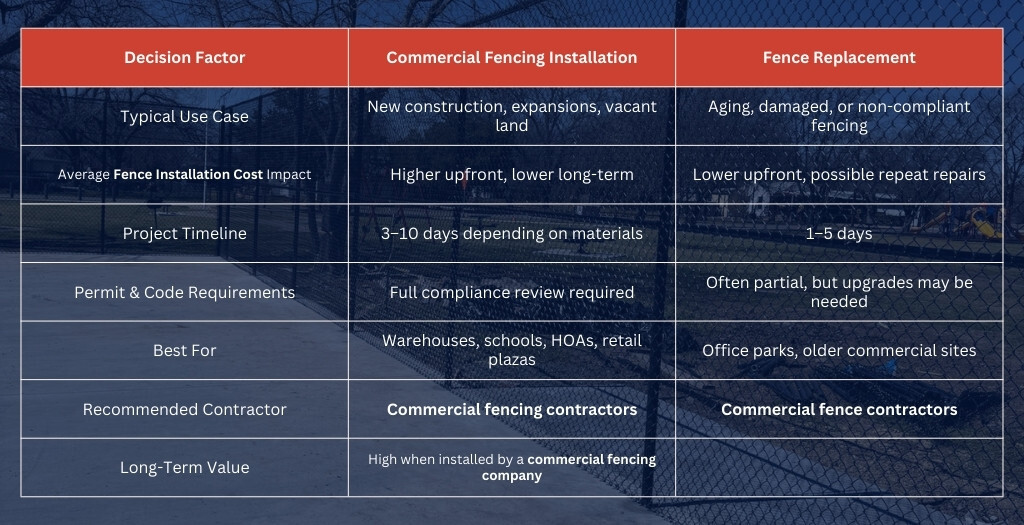
This table helps you quickly compare commercial fencing installation and replacement based on real-world project factors.
Alt Tag - Fencing Installation vs Replacement
Decision Factor | Commercial Fencing Installation | Fence Replacement |
Typical Use Case | New construction, expansions, vacant land | Aging, damaged, or non-compliant fencing |
Average Fence Installation Cost Impact | Higher upfront, lower long-term | Lower upfront, possible repeat repairs |
Project Timeline | 3–10 days depending on materials | 1–5 days |
Permit & Code Requirements | Full compliance review required | Often partial, but upgrades may be needed |
Best For | Warehouses, schools, HOAs, retail plazas | Office parks, older commercial sites |
Recommended Contractor | Commercial fencing contractors | Commercial fence contractors |
Long-Term Value | High when installed by a commercial fencing company |
Material Considerations That Affect Your Decision
(Image)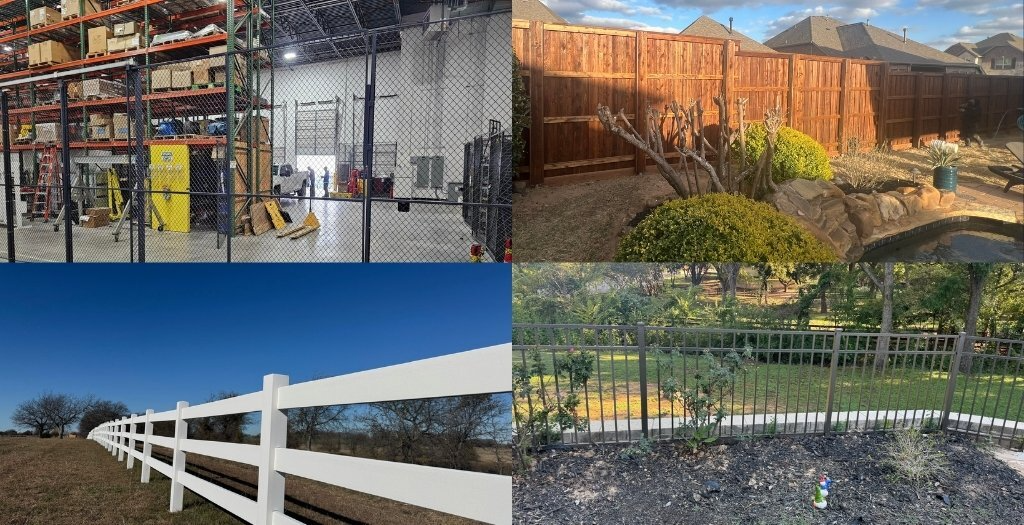
Alt Tag - Commercial Fence Materials
Different materials age differently, influencing whether replacement or new installation makes sense.
Chain Link & Metal Fencing
Chain link and metal fencing are popular choices for commercial properties because of their durability and flexibility. Installed by experienced chain link fence contractors, these fences can last 20–30+ years with minimal maintenance. Many properties benefit from phased replacement, where only damaged sections are swapped out rather than replacing the entire fence. Additionally, metal systems can often be upgraded with new coatings, gates, or security features, allowing businesses to extend the life of their existing fencing while maintaining safety and compliance.
Wood & Privacy Fencing
Wood and privacy fencing, including wood privacy fences and wooden privacy fences, offer aesthetic appeal and natural warmth, but they generally have a shorter lifespan compared to metal alternatives. Over time, these fences are prone to rot, warping, and insect damage, making full replacement often necessary. In many cases, property owners choose to upgrade to metal privacy fence systems for increased durability, lower maintenance, and improved security while retaining the privacy and visual appeal that wood fences provide.
Vinyl & Aluminum Fencing
Vinyl and aluminum fencing are commonly installed by local fencing companies seeking a combination of durability and low maintenance. These materials have a long lifespan, often lasting decades without extensive upkeep. Replacement is typically chosen for aesthetic updates, such as changing the color or style to match property renovations, rather than due to structural failure. This makes vinyl and aluminum fences a flexible option for commercial and residential properties looking for longevity and design consistency.
Installation vs Replacement for Different Property Types
Industrial & Warehouse Facilities
Often benefit from commercial fencing installation
Metal or chain link preferred
Retail & Office Properties
Replacement is common to refresh appearance
Vinyl or wrought iron upgrades are popular
The Role of Maintenance in the Decision
If a fence requires constant repairs, replacement may be more cost-effective.
Ongoing Maintenance Costs
Wood fences require staining (often by a fence staining company)
Metal fences need periodic inspections
Vinyl and aluminum need minimal upkeep
Frequent maintenance often signals it’s time to replace.
Making the Right Choice for Your Commercial Property
Deciding between commercial fencing installation and replacement depends on fence condition, property goals, and long-term cost considerations. Installation offers flexibility and future-proofing, while replacement can extend value when the structure is still viable. A professional assessment ensures you invest wisely. Stand Strong Fencing helps Frisco businesses choose solutions that balance security, compliance, and long-term performance.
Why Local Expertise Makes a Difference
Searching for a fence company Frisco TX isn’t just about proximity, it’s about compliance and efficiency. Local local fencing companies understand soil conditions, wind load requirements, and commercial zoning laws. This reduces project delays and inspection failures.
Why Businesses Choose Stand Strong Fencing
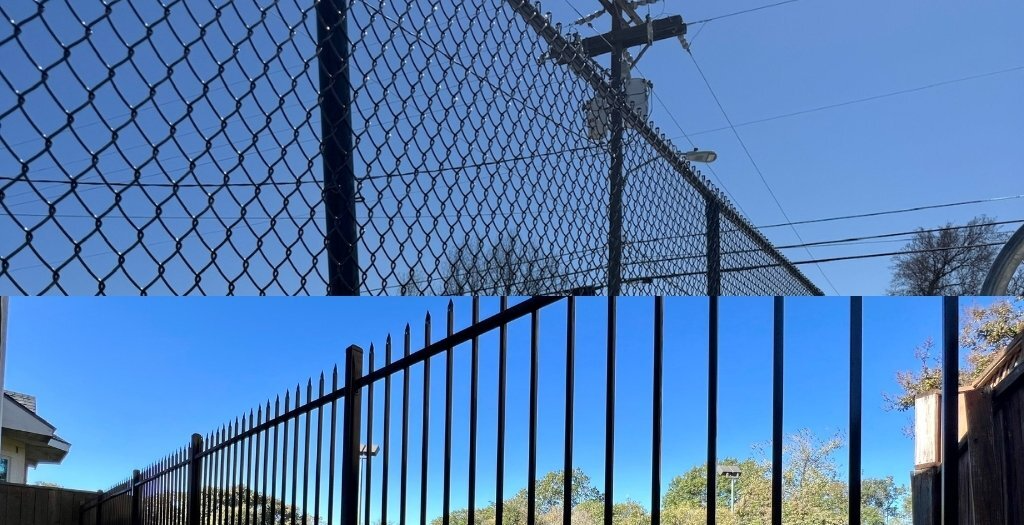
Alt Tag - Steel Commercial Fencing
Stand Strong Fencing is a trusted commercial fencing company serving businesses with both installation and replacement expertise.
What Sets Stand Strong Fencing Apart
Licensed commercial fencing contractors
Experience with large-scale commercial fencing installation
Wood, metal, vinyl, chain link, and wrought iron solutions
Transparent pricing and timelines
Long-term maintenance guidance
Whether you’re expanding or upgrading, Stand Strong Fencing delivers solutions built for durability and compliance.
CTA Placement: End
CTA Supporting Line: Protect Your Commerical Property with Stand Strong Fencing

Alt Tag: Get Fencing Quote
Frequently Asked Questions (FAQ)
When should a commercial fence be replaced?
A commercial fence should be replaced when structural damage, corrosion, or safety concerns make repairs impractical. Signs include leaning or broken posts, rusted metal, rotting wood, or repeated repairs that don’t restore strength. In some cases, local building codes or insurance requirements may mandate replacement to meet safety standards. Consulting a trusted commercial fencing company ensures you make the right decision for security and compliance.
Is replacement cheaper than new installation?
Fence replacement may seem cheaper initially because it often involves reusing existing posts or materials. However, installing a completely new fence can provide better long-term value, especially if older materials are prone to frequent repairs or don’t meet current safety or aesthetic standards. Many fence installation companies recommend new installation for high-traffic or high-security areas to maximize durability and reduce ongoing maintenance costs.
How long does commercial fence installation take?
The timeline for commercial fence installation depends on the size of the property, the fencing material, and any permitting requirements. Small to medium projects can often be completed in 1–3 weeks, while larger installations, such as industrial perimeters or multi-acre properties, may take longer. Experienced commercial fencing contractors can provide accurate schedules, coordinate permits, and ensure minimal disruption to your business operations.
Can parts of a fence be replaced instead of the entire system?
Yes. Many fences, especially chain link or metal systems, allow for partial replacement of damaged sections. This approach can save time and money when only posts, panels, or gates are compromised. However, if multiple sections are failing, or if the fence is outdated, full replacement may be the most cost-effective and visually appealing solution. Consulting local fence installation companies helps determine the best approach.
Which fencing material lasts the longest?
Some materials are specifically engineered for long-term durability. Wrought iron, steel, and chain link fencing are known to last 25–30 years or more with proper care. Wood fences, while aesthetically appealing, may require regular staining, sealing, or repairs to achieve similar longevity. Choosing the right material for your property, climate, and maintenance capacity ensures maximum return on investment and reduces the need for frequent replacement.