


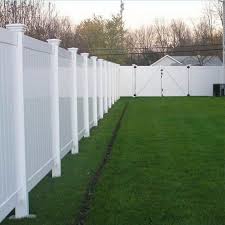
Quick answer: A 200-foot fence in Charlotte typically runs about $5,000–$12,000 installed, with material the biggest factor. Chain-link and ranch rail sit at the budget end, wood is the popular mid-range privacy pick, aluminum lands in the middle, and vinyl runs highest. Gates, taller panels, tear-out of an old fence, and sloped or hard-to-dig yards all push the total up.
200 feet of fence, by material (installed, Charlotte 2026)
| Material | Typical installed cost per foot | Approx. total for 200 ft |
|---|---|---|
| Ranch / split rail | ~$12–$18/ft | ~$2,400–$3,600 |
| Chain-link | budget option | usually the lowest — quoted per project |
| Wood (privacy) | ~$22–$63/ft | ~$4,400–$12,600 |
| Aluminum (ornamental) | ~$25–$30/ft | ~$5,000–$6,000 |
| Vinyl / PVC | ~$28–$102/ft | ~$5,600–$20,400 |
Ranges are broad on purpose — height, style, grade, and gates all move the number. Most standard 4–6 ft residential runs land in the lower-to-middle part of each range; the top end reflects taller, premium, or difficult installs. For a firm number, get an itemized quote.
What actually drives the price
- Material — the single biggest lever, as the table shows. This is why “what does a fence cost?” always starts with “which material?”
- Height — a 6-ft privacy fence uses more material and labor than a 4-ft fence, so it costs more per foot.
- Gates — most quotes don’t include gates by default. A walk gate and especially a double drive gate add to the total.
- Terrain and soil — Charlotte’s red clay, slopes, tree roots, and rock make digging and setting posts harder on some lots, which adds labor.
- Tear-out — removing and hauling an old fence is an extra line item.
- Access and layout — tight side yards, corner lots, and lots of corners or step-downs take more time.
- Permit — Charlotte may require a permit depending on the project; see do you need a fence permit in Charlotte?
A quick word on each material
- Chain-link — almost always the most budget-friendly way to enclose 200 feet; great for pets and open yards. We quote it per project.
- Ranch / split rail — low cost for marking boundaries and larger/rural lots; not for privacy.
- Wood — the go-to for privacy and value; the range is wide because height, picket style, and wood type vary. See wood vs. vinyl vs. aluminum.
- Aluminum — a tight, predictable range; the pick for pools, slopes, and an open, upscale look.
- Vinyl / PVC — highest up-front cost, lowest upkeep; the top of the range is tall/premium styles.
How to get an exact number for your yard
The table gets you in the ballpark; your real number depends on your exact layout, height, and gates. Use our Virtual Fence Estimator for a fast ballpark, or request a free quote and we’ll walk your property and give you an itemized price — material, gates, tear-out, and labor broken out, so you can see exactly what you’re paying for. Planning to dig? Here’s why we call 811 first.
Frequently asked
Is 200 feet a lot of fence? It’s a common medium-size job — roughly the perimeter many Charlotte backyards need. Bigger or corner lots run longer; a partial backyard enclosure may need less.
What’s the cheapest way to fence 200 feet? Chain-link is usually lowest, with ranch/split rail close behind for open lots. If you want privacy on a budget, pressure-treated wood is the value pick.
Does the price include gates? Usually not by default — gates are typically a separate line item. Tell us how many walk and drive gates you need so your quote is complete.
Do I need a permit for 200 feet of fence in Charlotte? Possibly — it depends on height and location. See our Charlotte fence permit guide.
Related
See our full fence cost guide for Charlotte for per-foot detail, and wood vs. vinyl vs. aluminum if you’re still choosing a material.
Locally Owned & Operated in Charlotte
Stand Strong Fencing of Charlotte is locally owned and operated by Drew Russ, right here in Charlotte, with three physical locations across the metro. We maintain three fully stocked physical inventory yards in the greater Charlotte metro area. Because we source and warehouse our own premium wood, vinyl, and aluminum materials locally, we eliminate the supply-chain shipping delays common with other builders.