


Thinking about installing a fence in Argyle, TX? Before you call a fence company in Argyle or start comparing materials, there's one step most homeowners skip, and it can cost them thousands: pulling the right permit. Argyle's zoning rules, setback requirements, and HOA guidelines vary by neighborhood and fence type. Whether you're planning wood fence installation, vinyl fence installation, or ornamental steel fencing, this 2026 guide walks you through exactly what you need to know before breaking ground.
Do You Need a Fence Permit in Argyle, TX?
The Town of Argyle requires permits for most fence installations, particularly those that:
- Exceed 6 feet in height for residential properties
- Are located within a specific setback zone from the property line, road, or utility easement
- Are part of a new construction or major property renovation
- Involve commercial fence installation on commercially zoned land
Even if your fence doesn't technically require a permit under town code, your HOA may have its own separate approval process. Skipping this step can result in stop-work orders, fines, or being forced to tear down and reinstall your fence, a costly mistake that local fencing contractors see far too often.
Pro Tip: Requirements can change year to year, and your fence installation companies of choice should also be able to guide you through the local permitting process.

Argyle TX Fence Rules: What You Need to Know in 2026
Here are the key rules that apply to most residential fence installation and commercial fence installation projects in Argyle:
Permit Requirements
In Argyle, permits are generally required for any fence that defines the outer boundary of a property. Interior fences may not need approval unless they serve a specific function, such as enclosing a pool or creating a safety barrier. To avoid issues, it’s always best to confirm requirements before starting your residential fence installation.
Height Regulations
Fence height limits depend on where the fence is placed on the property:
Backyard and side yard fences can typically be built up to 8 feet tall
Front yard fencing is more restricted and usually limited to 4 feet, with a focus on decorative styles rather than full privacy
These rules are designed to maintain neighborhood visibility and consistency.
Placement and Setback Guidelines
Proper placement is a key part of compliance. Fences must be installed within property boundaries and cannot extend into neighboring land or public areas.
Special rules apply in certain situations:
On corner lots, fences must be positioned far enough from intersecting streets to maintain visibility
Driveway gates must be set back sufficiently to allow vehicles to fully clear the roadway before stopping
Ignoring these requirements can lead to delays or required adjustments.
Approved Materials
Argyle allows a range of commonly used fencing materials, including wood, metal, and other standard residential options. However, the acceptability of certain materials may vary depending on zoning or neighborhood guidelines.
For example, wood privacy fencing is widely used in rear yards, while decorative metal fencing is more common in front-facing areas.
Maintenance and Compliance
Once installed, fences must be kept in good condition. Property owners are responsible for ensuring their fence remains structurally sound and visually acceptable.
Fences that become damaged, unstable, or visually disruptive may need to be repaired or replaced to meet town standards.
Fence Permit Costs in Argyle, TX
For most standard residential fencing projects in Argyle, homeowners are required to obtain a permit before construction begins. The Town of Argyle applies a flat permit fee of approximately $150 for residential fence applications submitted through its Building & Development Services department.
For larger or commercial fence installation projects, permit fees are not always fixed. Instead, they are often calculated based on the overall scope and valuation of the project, which means requirements can vary depending on complexity.
How to Apply for a Fence Permit in Argyle, TX
Check Requirements - Confirm your fence meets Argyle rules (height, location, and material).
Prepare a Site Plan- Show property lines and where the fence will be installed.
Submit Application- Apply through the Town of Argyle’s permit portal with required details.
Contractor Registration- Ensure your contractor is registered with the town (if hiring one).
Get Approval- Wait for permit approval before starting any work.
Build as Approved- Install the fence according to the submitted plan to stay compliant.
A reputable fence company in Argyle, like Stand Strong Fencing, can guide you through the process.
Fence Types Allowed in Argyle: A Complete Overview for Homeowners
Argyle permits several common fencing materials, such as wood and metal, along with other typical residential options. However, which materials are allowed can vary based on zoning regulations and specific neighborhood or HOA rules.
Wood Fencing
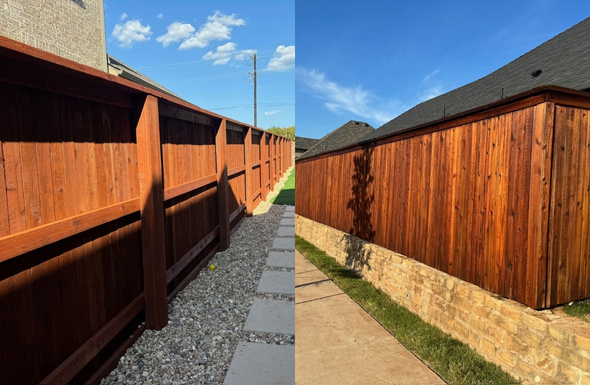
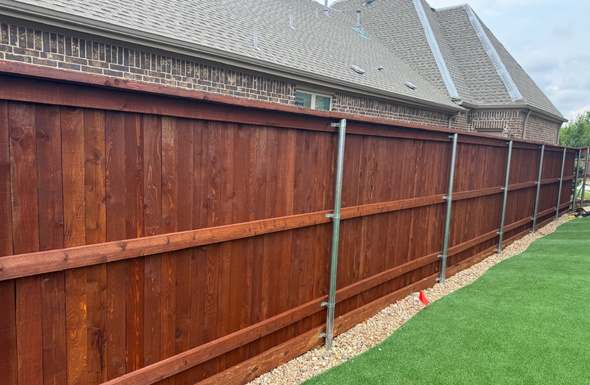
Wood fence installation is the most popular choice for Argyle backyards. Cedar and pressure-treated pine are the top picks. Wood privacy fence installation (6-foot tall solid board fences) is permitted in side and rear yards. Requires sealing and periodic work from fence staining contractors to maintain appearance and longevity in North Texas's climate.
Ornamental Steel and Ornamental Steel
Ornamental steel fence installation and ornamental steel fencing are the go-to choices for front yard fencing and decorative perimeter fencing in Argyle's luxury neighborhoods. They're durable, attractive, and HOA-friendly. Ornamental steel fencing typically costs more upfront but requires minimal maintenance beyond occasional repainting.
Metal Security and Industrial Steel Fencing
Metal security fencing and industrial steel fencing are primarily used for commercial fence installation in Argyle's business zones. These options provide maximum security and durability for warehouses, equipment yards, and high-traffic commercial properties. Requires zoning verification and often additional permits.
Common Fence Permit Mistakes in Argyle — And How to Avoid Them
Even experienced residential fencing contractors occasionally run into permit issues. Here are the most common mistakes and how to avoid them:
- Starting without a permit — The most expensive mistake. Stop-work orders and fines can double your project cost
- Wrong setback measurements — Always measure from the actual property line, not the sidewalk or curb
- Ignoring utility easements — Gas, water, and electric easements are no-build zones; call 811 before digging
- Skipping HOA approval — Even if the town approves your permit, your HOA can still require removal
- Using non-compliant materials — Verify that your chosen fence type (e.g., industrial steel fencing or chain link fence installation) is permitted in your specific zone
- Forgetting pool code requirements — Texas pool enclosure laws are non-negotiable; your fence installation must meet state safety standards
Stand Strong Fencing : Get Your Argyle Fence Permit Right the First Time
Navigating permit requirements, HOA rules, and material choices in Argyle is a lot easier when you have an experienced team by your side. Stand Strong Fencing has become one of the most trusted names among local fencing companies in the Denton County area, and here's why:
- Permit expertise — Stand Strong Fencing is familiar with Argyle's local codes and handles permit applications for clients
- Full material range — From wood fence installation to ornamental steel fence installation, we handle all materials.
- HOA coordination — We help prepare and submit HOA approval paperwork so projects don't get delayed
- Transparent pricing — No hidden fees; affordable steel fencing options available across all material types
- Licensed and insured — A critical factor when hiring residential fence companies or commercial fence contractors
- Local reputation — Years of experience serving Argyle, Flower Mound, Bartonville, and surrounding Denton County communities
Whether you're a homeowner looking for home fence installation or a business owner needing commercial fence installation, Stand Strong Fencing delivers quality work that meets code and exceeds expectations.

Frequently Asked Questions
Q1: Do I always need a permit to install a fence in Argyle, TX?
Not always, but most fence installations in Argyle require a permit, especially if the fence exceeds 6 feet in height or is located near a property line or easement. Always check with the Town of Argyle Building Department before starting. Your fence company in Argyle should also be able to advise you on whether your project requires a permit.
Q2: How long does it take to get a fence permit in Argyle?
Most residential fence installation permits in Argyle are approved within 5–10 business days. Commercial fence installation permits can take 2–4 weeks depending on the complexity of the project and zoning review. Submitting a complete, accurate application speeds up the process significantly.
Q3: Can my fence company pull the permit for me?
Yes. Many local fencing contractors and fence installation companies offer permit-pulling as part of their service, sometimes for a small administrative fee of $50–$150. Stand Strong Fencing handles permit applications on behalf of clients in Argyle and surrounding areas.
Q4: What happens if I build a fence without a permit in Argyle?
Building without a permit can result in stop-work orders, fines, and mandatory removal of the non-compliant fence. In some cases, you may be required to hire a licensed inspector before the fence can be legalized. It's almost always cheaper to get the permit upfront than deal with violations after the fact.
Q5: Is chain link fencing allowed in Argyle residential areas?
Chain link fence installation is generally permitted in rear yards for residential properties in Argyle. Front yard chain link fencing is restricted or prohibited in most HOA-governed communities. For commercial fencing applications, chain link is widely permitted and commonly used. Confirm with the town and your HOA before proceeding.
Q6: Does a pool fence in Argyle have specific requirements?
Yes. Texas law requires pool enclosure fences to be at least 48 inches tall with self-latching, self-closing gates. This applies to aluminum fence installation, wood privacy fence installation, and other materials used for pool enclosures. Failure to comply can void your homeowner's insurance and result in significant legal liability.