


Choosing a wood retaining wall for your Frisco property depends on slope conditions, drainage needs, budget, and landscape goals. Wood retaining walls suit residential yards where moderate soil retention, natural aesthetics, and cost control matter. This guide explains when a wood retaining wall makes sense, where it performs best, and how proper planning and installation help property owners in Frisco achieve long-lasting and visually appealing results.
Introduction
Retaining walls play a critical role in shaping outdoor spaces across Frisco. From managing sloped yards to improving drainage and enhancing usable land, the right retaining wall choice directly impacts both function and appearance. Among the available options, a wood retaining wall remains a popular residential fencing solution for many properties.
However, wood is not always the right fit for every situation. Climate conditions, soil pressure, maintenance expectations, and long-term goals all influence whether wood is the best option. This blog breaks down exactly when choosing a wood retaining wall makes sense for properties in Frisco, helping homeowners and property managers make confident, informed decisions.
Understanding the Purpose of a Wood Retaining Wall
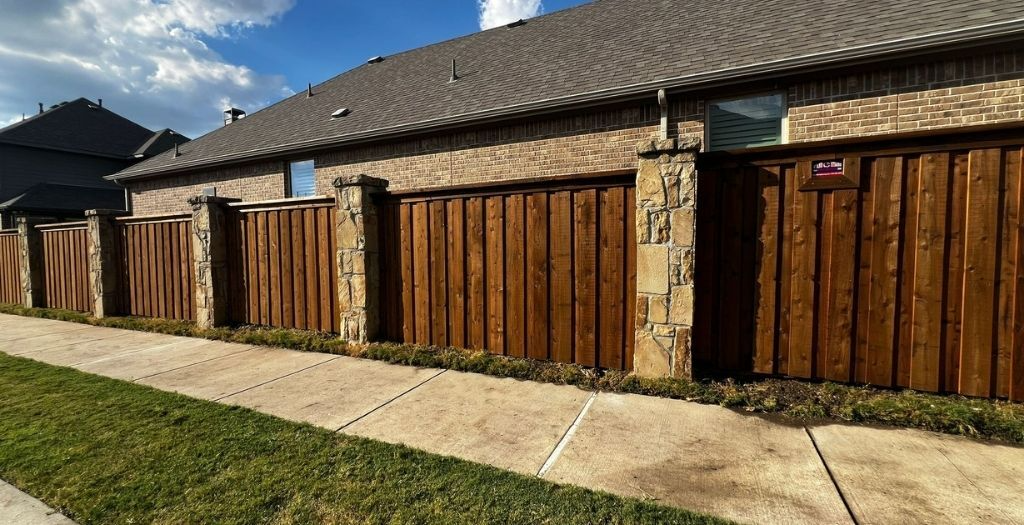
A wood retaining wall is primarily used to hold back soil, manage elevation changes, and prevent erosion. In residential settings, these walls often serve both structural and visual purposes.
Wood retaining walls work best in areas where soil movement is moderate rather than extreme. They are commonly installed to support garden beds, define outdoor zones, and stabilize gentle slopes. Because wood offers a natural appearance, it blends easily into landscaped environments without overpowering the surroundings.
When a Wood Retaining Wall Makes Sense for Frisco Properties
1. When Your Property Has a Mild to Moderate Slope
If your Frisco property has gradual elevation changes rather than steep drop-offs, a wood retaining wall is often a practical choice. Wood fencing or wall performs well in low to mid-height applications where soil pressure remains manageable.
For steep slopes or tall walls, other materials may be required due to structural demands. In contrast, wood retaining walls are well suited for tiered yards, garden terraces, and backyard elevation adjustments.
2. When Natural Aesthetics Are a Priority
Many homeowners prefer outdoor features that feel cohesive with their landscape. Wood delivers a warm, organic look that pairs well with lawns, plants, and trees.
This is why many wood retaining walls ideas focus on blending functionality with visual appeal. Whether framing flower beds or creating subtle boundaries, wood complements residential designs common throughout Frisco neighborhoods.
3. When Budget Considerations Matter
Cost is often a deciding factor in retaining wall projects. Wood typically has a lower upfront cost compared to stone or concrete. For homeowners who want reliable soil retention without heavy investment, wood offers a practical balance.
While long-term maintenance should be factored in, the initial affordability makes wood retaining walls appealing for projects where budget control is essential.
4. When the Wall Is Part of a Landscape Design Plan
Wood retaining walls integrate smoothly into broader landscape designs. They are easy to customize, cut, and shape during installation, which allows for creative layouts.
Many wood retaining walls ideas include curved designs, multi-level garden beds, and integrated seating or planters. These applications work particularly well in residential yards where design flexibility matters.
5. When Soil Conditions Are Suitable
Frisco soil conditions can vary across properties. Wood retaining walls are suitable when soil drainage is properly addressed. Without adequate drainage, moisture buildup can shorten the lifespan of wood.
If your property allows for gravel backfill, drainage pipes, and proper grading, wood can perform effectively as a retaining solution.

Comparing Wood Retaining Walls to Other Materials
Wood vs Concrete
Concrete walls provide strength for high-load applications, but they come at a higher cost and a more industrial appearance. Wood, on the other hand, offers a softer look and easier installation for residential settings.
Wood vs Stone
Stone retaining walls deliver durability and minimal maintenance, but installation costs and labor requirements are higher. Wood provides faster installation and lower initial expense, making it suitable for smaller projects.
Choosing wood often comes down to project scale, desired appearance, and maintenance expectations.
When a Wood Retaining Wall May Not Be the Best Choice
While wood has clear benefits, it is not ideal for every scenario. Properties with very steep slopes, heavy soil pressure, or constant water exposure may require stronger materials.
In such cases, wood may struggle to deliver long-term performance even with proper care. Understanding these limitations helps property owners avoid costly replacements later.

Importance of Professional Installation in Frisco
Choosing wood is only one part of the process. Proper wood retaining wall installation in Frisco TX plays a major role in performance and lifespan.
Professional installers at Stand Strong Fencing Frisco account for soil conditions, drainage needs, wall height, and reinforcement requirements. Without correct installation, even well-chosen materials can fail prematurely.
Local expertise also ensures compliance with property codes and best practices relevant to Frisco conditions.
Maintenance Expectations for Wood Retaining Walls
Wood retaining walls require periodic inspection and upkeep. Sealing, treating, and monitoring moisture exposure help extend their service life.
Homeowners who prefer low-maintenance solutions should carefully weigh this factor. For those comfortable with routine care, wood remains a reliable and visually appealing option.

Conclusion
A wood retaining wall is an effective solution when your Frisco property has moderate slopes, suitable soil conditions, and a design goal focused on natural appeal. Wood works best in residential settings where flexibility, cost control, and visual harmony are priorities. By evaluating slope, drainage, maintenance expectations, and installation quality, property owners can determine when a wood retaining wall is the right fit and enjoy lasting results that support both function and landscape design.
Frequently Asked Questions
1. How long does a wood retaining wall typically last?
A properly installed and maintained wood retaining wall can last 10 to 20 years. Lifespan depends on wood type, drainage quality, and exposure to moisture. Regular inspections and protective treatments help extend durability. Poor drainage often shortens the wall’s service life.
2. Is a wood retaining wall suitable for large height differences?
Wood retaining walls are best for low to mid-height applications. Taller walls require engineering support and may exceed wood’s structural limits. For significant height differences, alternative materials are often safer. Consulting a professional helps determine feasibility.
3. What type of wood is commonly used for retaining walls?
Pressure-treated lumber is commonly used due to its resistance to rot and insects. These treatments help wood perform better in soil contact. Using untreated wood significantly reduces lifespan. Material choice directly affects long-term performance.
4. Do wood retaining walls need drainage systems?
Yes, proper drainage is essential. Gravel backfill and drainage pipes prevent water buildup behind the wall. Without drainage, pressure increases and accelerates deterioration. Drainage design is a critical part of installation.
5. Can wood retaining walls be repaired instead of replaced?
Minor damage can often be repaired by replacing individual boards or reinforcing sections. Structural failure or widespread rot may require replacement. Regular maintenance helps catch issues early. Timely repairs extend usability.
6. Are wood retaining walls environmentally friendly?
Wood is often considered a more natural material choice. When sourced responsibly and treated correctly, it blends well with outdoor environments. However, chemical treatments should be factored into environmental considerations. Proper disposal is also important.
7. How does climate in Frisco affect wood retaining walls?
Heat, rain, and soil moisture levels influence wood performance. Proper sealing and drainage help protect against weather impact. Local installation practices address these factors. Climate awareness improves longevity.
8. Should I hire a professional for wood retaining wall installation in Frisco TX?
Professional installation ensures correct design, drainage, and structural stability. Local professionals understand Frisco soil and property requirements. DIY installation increases the risk of failure. Professional work protects your investment.