


Wrought iron fences remain one of the most durable and visually striking fencing options for residential and commercial properties. This complete buyer’s guide explains what is a wrought iron fence, explores design options, costs, maintenance, and installation factors, and helps you decide if it fits your property goals. You will also learn how to clean wrought iron fence systems and protect your investment for decades.
Introduction
Wrought iron fences have stood the test of time. From historic estates to modern commercial properties, they deliver strength, security, and architectural character in one solution. If you are evaluating fencing options, understanding what is a wrought iron fence and how it performs over time is essential before making a long-term investment.
This guide walks you through styles, benefits, cost factors, installation insights, and maintenance best practices. Whether you are securing a residence or elevating a commercial frontage, wrought iron fences offer lasting value when chosen and installed correctly.
What Is a Wrought Iron Fence?
To make an informed decision, it helps to first answer the question: what is a wrought iron fence?
A wrought iron fence is a metal fencing system crafted from iron that is heated and shaped into panels, pickets, rails, and decorative elements. Traditional wrought iron is known for its fibrous structure and malleability, which allows detailed scrolls, curves, and ornamental designs. Modern versions often combine iron or steel components with protective coatings for improved longevity.
When people ask what is a wrought iron fence in practical terms, the answer goes beyond material. It is a fencing system built for strength, visibility, and design flexibility. Unlike wood or vinyl, wrought iron fences do not block sightlines, making them ideal for front yards, pool enclosures, commercial fencing perimeters, and gated entries.
Why Wrought Iron Fences Remain a Top Choice
1. Timeless Curb Appeal
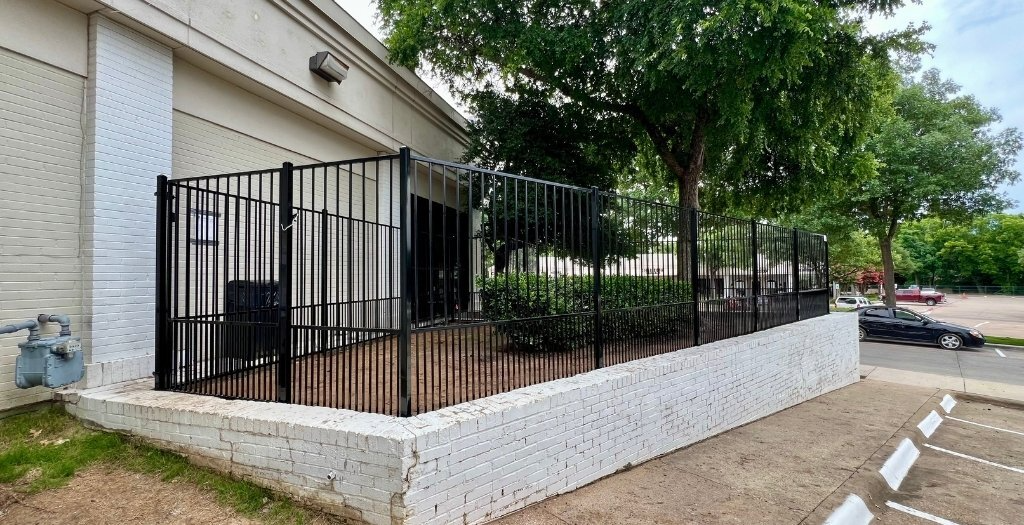
Wrought iron fences immediately enhance property presence. Their clean vertical pickets and decorative finials create a high-end look that works across architectural styles. From classic to contemporary builds, wrought iron fences add structure and elegance without overpowering the property.
2. Long-Term Durability
When properly coated and maintained, wrought iron fences can last decades. They resist impact better than many alternative materials. Unlike wood, they do not warp, crack, or suffer termite damage.
3. Enhanced Security
Strength is one of the primary reasons property owners invest in wrought iron fences. The rigid structure makes climbing difficult, especially when spear-top pickets are incorporated. For commercial facilities, schools, and gated communities, this added security layer matters.
4. Property Value Impact
A professionally installed wrought iron fence can increase perceived property value. Buyers often associate iron fencing with permanence and premium construction.
Design Options and Customization
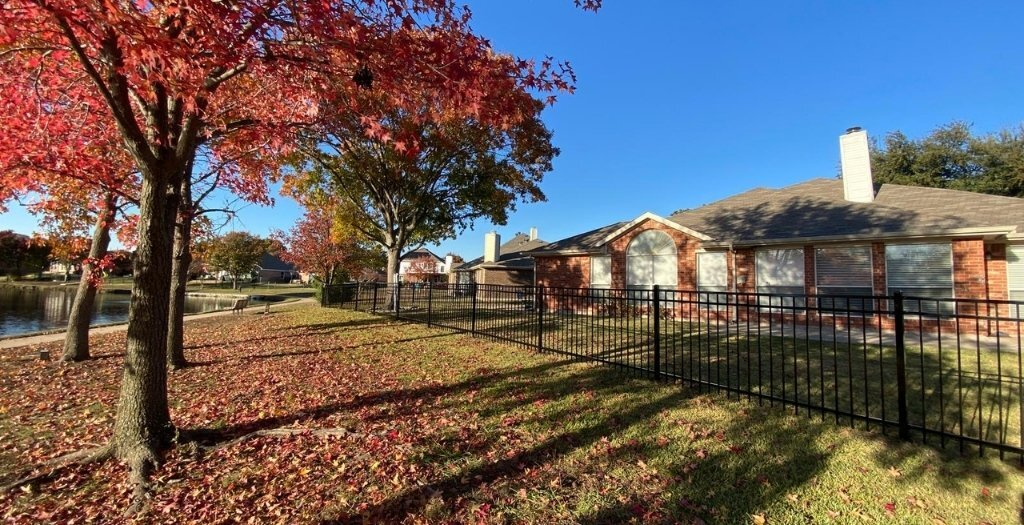
One of the biggest advantages of wrought iron fences is flexibility in design.
You can choose from:
- Straight picket panels for a clean, modern look
- Ornamental scrollwork for traditional homes
- Arched gates for grand entrances
- Custom heights for added security
Panel spacing, finial styles, and decorative accents allow you to personalize the appearance. Powder coating options typically include black, bronze, and custom finishes, providing additional visual control.
Cost Considerations
Wrought iron fences generally cost more upfront than wood or chain link fence options. However, evaluating only the initial investment does not tell the full story.
Cost factors include:
- Fence height and linear footage
- Custom design elements
- Gate additions and automation Terrain preparation
- Coating and finish quality
While the initial expense may be higher, the long lifespan and lower replacement frequency can make wrought iron fences cost-effective over time.
Installation Factors to Evaluate
Professional installation is critical. Even the strongest wrought iron fences can fail if posts are not properly anchored or aligned.
Key installation considerations include:
- Concrete footing depth
- Soil condition
- Drainage planning
- Local building regulations
- Gate hinge reinforcement
Choosing an experienced fence contractor ensures structural stability and long-term performance.
Upgrade your property with precision-crafted iron fencing.

Maintenance: Protecting Your Investment
Many property owners ask how to clean wrought iron fence systems and prevent rust. While wrought iron fences are durable, they do require periodic care.
How to Clean Wrought Iron Fence Properly
Understanding how to clean wrought iron fence surfaces is essential for longevity. Start by rinsing the fence with water to remove loose dirt. Use mild soap and a soft brush to scrub away buildup. Avoid abrasive pads that can damage protective coatings.
If you notice early rust spots, gently sand the affected area and apply a rust-inhibiting primer followed by exterior-grade paint. Regular inspection is just as important as knowing how to clean wrought iron fence structures.
Routine Maintenance Checklist
- Inspect annually for chipped paint
- Remove debris around the base
- Touch up scratches promptly
- Check gate hinges and hardware
With consistent care, wrought iron fences can maintain both strength and visual appeal for decades.
Keep your fence strong and flawless year after year.

Comparing Wrought Iron Fence Types
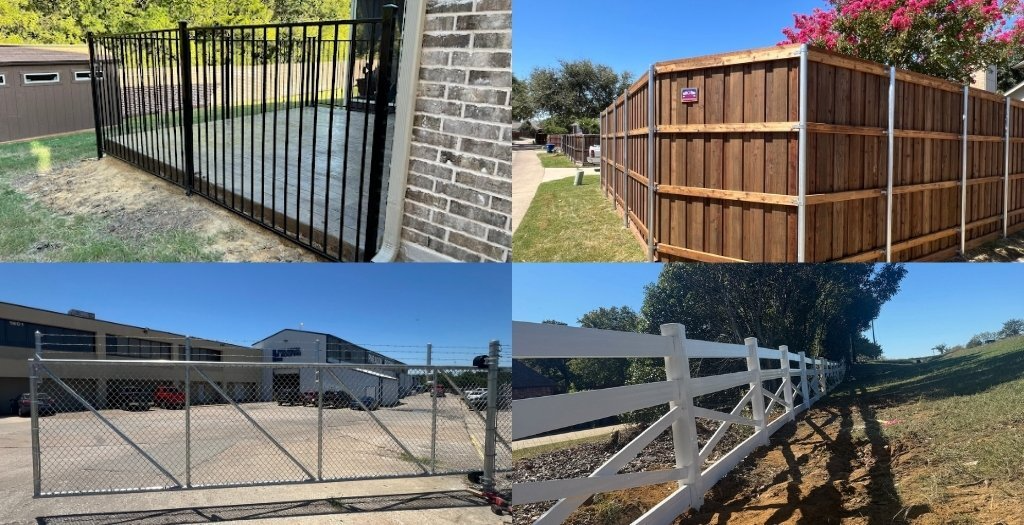
When deciding between materials, consider these differences:
Wood: Lower upfront cost but higher maintenance and shorter lifespan.
Vinyl: Low maintenance but limited strength compared to wrought iron fences.
Chain Link: Budget-friendly but minimal aesthetic value.
For properties where appearance and durability are priorities, wrought iron fences consistently outperform alternatives.
Residential vs Commercial Applications
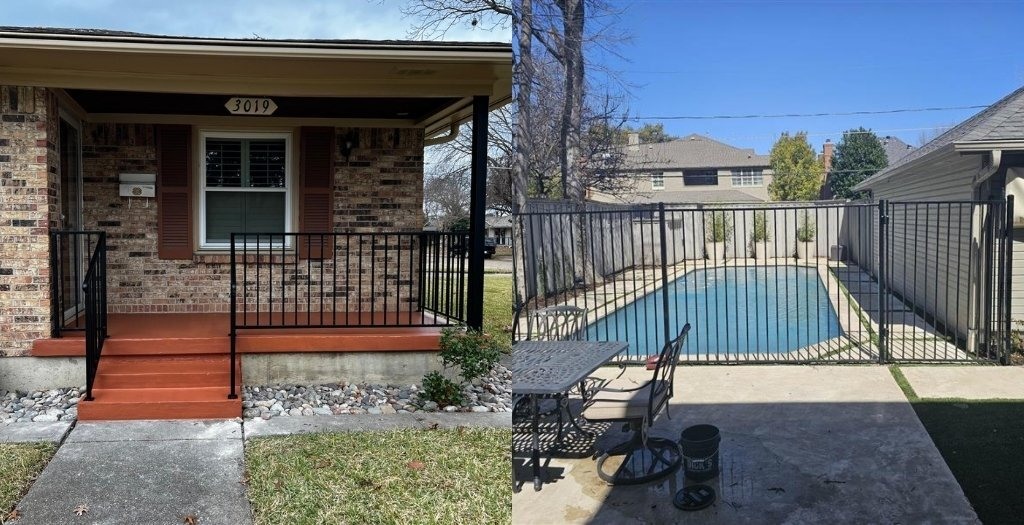
Wrought iron is appropriate for both residential and commercial properties effectively.
Residential fencing uses include:
- Front yard fencing
- Driveway gates
- Pool enclosures
- Garden borders
Commercial uses include:
- Office perimeters
- School boundaries
- Apartment complexes
- Industrial sites
Their versatility allows property owners to balance security and design without compromise.
Signs It Is Time to Replace Your Fence
Even durable fence materials eventually show wear. You may need replacement if you notice:
- Severe structural bending
- Widespread rust damage
- Loose or unstable posts
- Gate misalignment beyond repair
In many cases, sections can be repaired instead of replaced entirely. A professional inspection will determine the best course of action.
Ready to secure your property with lasting strength?

Conclusion
Wrought iron fences remain one of the most reliable and visually impactful fencing solutions available. By understanding what is a wrought iron fence, evaluating installation requirements, and learning how to clean wrought iron fence systems correctly, you can protect your investment for decades.
Whether for residential elegance or commercial security, wrought iron fences deliver performance that stands firm year after year. With proper installation and consistent maintenance, they become more than a boundary. They become a long-term asset.
Frequently Asked Questions
1. What is a wrought iron fence made of?
When people ask what is a wrought iron fence made of, the answer typically includes iron components shaped into panels and pickets. Traditional wrought iron contains low carbon content, which makes it workable and strong. Modern systems may incorporate steel with protective coatings for durability. These coatings help reduce rust and extend lifespan.
2. How long do wrought iron fences last?
Wrought iron fences can last several decades when properly maintained. Regular inspections and touch-up painting help prevent corrosion. Environmental factors such as humidity and coastal air may influence longevity. With consistent care, many installations remain structurally sound for 30 years or more.
3. How do you maintain wrought iron fences?
Maintenance includes inspecting for chipped paint, cleaning debris, and treating rust spots early. Knowing how to clean wrought iron fence surfaces correctly prevents buildup and corrosion. Annual washing and repainting damaged areas extend durability. Hinges and gate hardware should also be lubricated regularly.
4. Are wrought iron fences good for security?
Yes, wrought iron fences provide strong perimeter protection. Their rigid structure makes cutting or bending difficult. Taller panels and spear-top pickets enhance security further. Many commercial properties rely on wrought iron fences for this reason.
5. Do wrought iron fences rust easily?
They can develop rust if protective coatings are damaged. However, modern finishes significantly reduce this risk. Promptly repairing scratches and chips prevents corrosion from spreading. Routine cleaning and repainting keep the fence protected.
6. How to clean wrought iron fence properly?
To understand how to clean wrought iron fence systems, start with a water rinse to remove surface dirt. Use mild soap and a soft brush to clean crevices. Avoid harsh chemicals that may damage coatings. Drying the fence afterward helps prevent moisture buildup.
7. Are wrought iron fences expensive?
Wrought iron fences typically cost more than wood or chain link initially. However, their long lifespan can offset replacement costs over time. Custom designs and gates increase pricing. Many property owners consider them a long-term investment.
8. Can wrought iron fences be customized?
Yes, customization is one of the biggest advantages. You can adjust height, picket spacing, and decorative features. Custom gates and finishes are also available. This flexibility allows wrought iron fences to match nearly any architectural style.