


.png)
Homeowners in Lake Highlands look for fencing solutions that balance privacy, appearance, and long term durability. With mature trees, varied lot sizes, and established neighborhoods, fence material selection plays a key role in how well a fence performs and how it complements the home. Texas heat, seasonal storms, and local neighborhood expectations also influence material choices. From classic wood fences to modern vinyl, metal, and composite options, each material serves a different purpose based on budget, maintenance preference, and lifestyle needs. This guide covers the top fence material choices for Lake Highlands homeowners, outlining where each option fits best and what to consider before installation. If you are planning a new fence or upgrading an older one, this breakdown helps you make a clear, confident decision.
What Influences Fence Material Decisions in Lake Highlands Homes
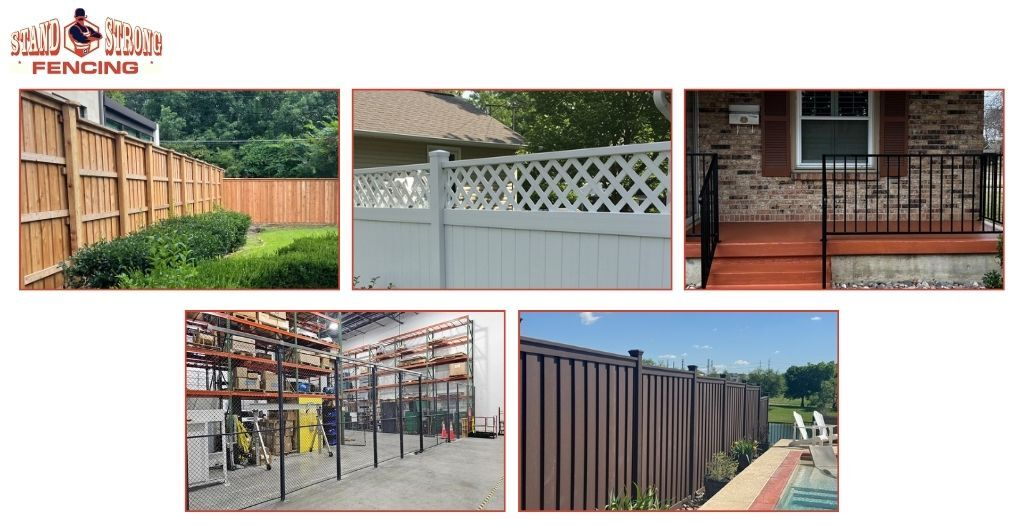
Choosing a fence in Lake Highlands goes beyond visual appeal. Local climate, tree roots, soil movement, and neighborhood consistency all impact fence performance. A well selected fence supports privacy, security, and property value while fitting naturally into the character of the area. Below are the fence materials most commonly chosen by Lake Highlands homeowners and why they continue to work well.
1. Wood Fencing
Wood fencing remains a strong favorite in Lake Highlands. It provides excellent privacy and blends well with traditional home styles. Cedar and treated pine are commonly used for their availability and adaptability. Regular staining or sealing helps wood handle sun exposure and moisture.
2. Vinyl Fencing
Vinyl fencing appeals to homeowners who prefer a clean look with limited upkeep. It does not rot, warp, or attract insects and is the best privacy fencing options. Vinyl holds its color well and works nicely for privacy fences and side yards. Initial costs are higher, but long term care is minimal.
3. Wrought Iron and Aluminum Fencing
Wrought Iron Fencing is widely used in front yards and decorative areas. It offers strength and security without blocking visibility. Aluminum is often chosen as a lighter, rust resistant alternative to wrought iron. This style pairs well with landscaping and brick homes.
4. Chain Link Fencing
Chain link fencing is a practical option for large backyards and pet areas. It provides clear boundary definition at a lower cost. Many Lake Highlands homeowners choose vinyl coated chain link for better appearance. It is durable and easy to maintain.
If budget and function are top priorities,
chain link fencing may be the right fit for your property.
5. Composite Fencing
Composite fencing offers a modern look with reduced maintenance demands. It resists moisture, insects, and fading better than natural wood. Composite fences are often selected for backyard privacy and long term durability. Pricing sits above wood but appeals to homeowners seeking consistency.
Conclusion
Lake Highlands homeowners have several reliable fence material options depending on privacy needs, design preferences, and maintenance expectations. Wood remains popular for its classic look. Vinyl and composite suit those seeking lower upkeep. Metal and chain link serve decorative and functional needs. The right choice comes down to how the fence will be used and how much maintenance you want to manage over time.

Frequently Asked Questions
1. What fence material is most common in Lake Highlands?
Wood fencing is the most common due to its privacy and traditional appearance. Many homes in the area already feature wood fences. Cedar is often chosen for better resistance to insects. Homeowners value its flexibility in design.
2. Which fence material needs the least maintenance?
Vinyl fencing requires the least maintenance among common options. It does not need painting or sealing. Occasional cleaning keeps it looking new. This makes it ideal for busy homeowners.
3. Is metal fencing suitable for front yards?
Yes, metal fencing works well in front yards where visibility matters. Wrought iron and aluminum provide security without closing off the view. These fences complement landscaping and walkways. They are often chosen for curb appeal.
4. How long does a wood fence typically last in Dallas?
A well maintained wood fence can last fifteen to twenty years. Regular sealing and timely repairs extend its lifespan. Sun and moisture exposure affect durability. Proper installation also plays a major role.
5. Can composite fencing handle Texas heat?
Composite fencing performs well in Texas heat. It resists warping and cracking better than natural wood. Color stability is also stronger with composite materials. This makes it suitable for long term use.
6. Is chain link fencing allowed in residential areas?
Chain link fencing is allowed in many residential areas, especially in backyards. Some neighborhoods limit its use in front yards. Vinyl coated styles are often preferred. Checking local guidelines is recommended.
7. What fence is best for privacy?
Wood and vinyl privacy fences offer the strongest privacy. They create solid barriers that block visibility. Fence height also influences privacy levels. These materials are common for backyard fencing.
8. How do trees affect fence material choice?
Large trees and root systems can shift fence posts over time. Materials like metal and vinyl handle movement better when properly installed. Flexible installation techniques also help. Tree placement should always be considered before fencing.