


.png)
Homeowners in McKinney often treat fencing as a long term investment that affects privacy, safety, and overall property value. With a mix of new developments and established neighborhoods, McKinney homes require fence materials that can handle Texas heat, seasonal storms, and shifting soil while still meeting HOA expectations. From traditional wood fences to modern composite and metal options, each material offers a distinct balance of appearance, upkeep, and lifespan. This guide breaks down the top 10 most popular fence materials used by McKinney homeowners today. It explains where each option works best, what maintenance looks like over time, and how homeowners can choose a fence that fits both lifestyle and budget. If you are planning a new fence or replacing an aging one, this overview helps you make a confident, informed decision.
Key Factors That Shape Fence Choices for McKinney Homeowners
Fence selection in McKinney goes beyond choosing a style you like. Climate conditions, neighborhood rules, lot size, and long term maintenance expectations all play a role. A well chosen fence supports daily living, protects outdoor spaces, and adds structure to the property. Below are the ten fence materials most commonly selected by McKinney homeowners and the reasons they continue to perform well in local conditions.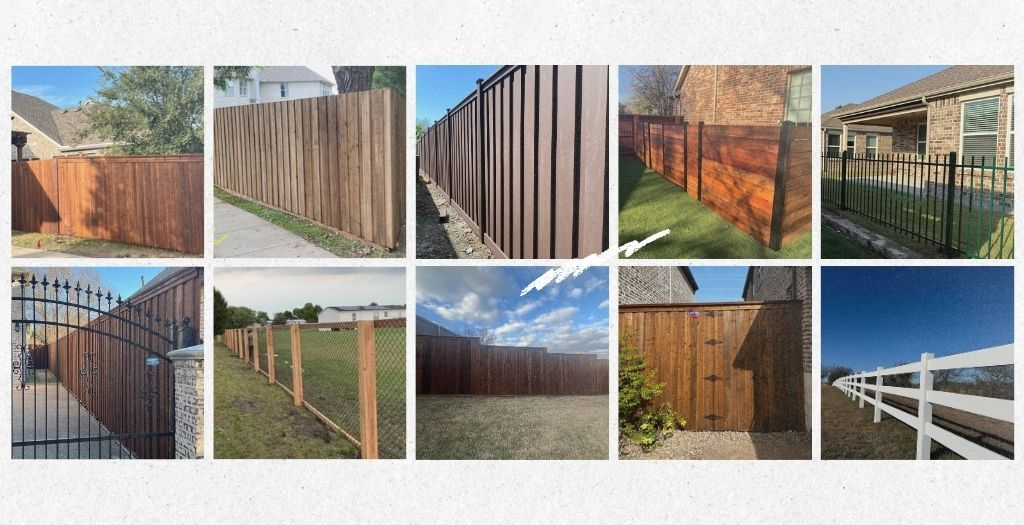
1. Cedar Wood Fencing
Cedar wood fencing remains one of the most popular choices in McKinney. It provides strong privacy and a natural appearance that works well with both traditional and newer homes. Cedar offers better resistance to insects and moisture compared to other woods. With regular staining or sealing, cedar fences can hold up well for many years.
2. Privacy Fencing
Pressure treated pine is widely used due to its affordability. It offers solid privacy and is easy to customize in height and layout. The treatment process helps protect against rot and pests, but ongoing sealing is important. Many homeowners choose this privacy fencing option as a cost conscious solution for large yards.

3. Vinyl Privacy Fencing
Vinyl fencing is chosen by homeowners who want consistency and low upkeep. It does not rot, attract insects, or require repainting. Vinyl fences maintain a clean look and are commonly used in newer McKinney developments. While the initial price is higher, maintenance costs remain low over time.
4. Horizontal Wood Fencing
Horizontal wood fencing has gained popularity for its modern appearance. It creates a clean, structured look that pairs well with contemporary homes. This style can be built using cedar or treated pine. Proper installation is essential to prevent sagging over time.
5. Wrought Iron Fencing
Wrought iron fencing is often used in front yards and decorative spaces. It offers strength and visibility while enhancing curb appeal. Although it does not provide privacy, it creates a clear boundary and adds character. Periodic maintenance helps prevent surface rust.
For homeowners focused on curb appeal and visibility,
metal fencing options are worth exploring with a local professional.
6. Steel Fencing
Steel fencing provides the look of luxury with less maintenance. It is lightweight, resistant to rust, and suitable for uneven terrain. Many McKinney homeowners choose steel for pool areas and front yards. It offers durability without frequent upkeep.
7. Chain Link Fencing
Chain link fencing remains a practical choice for large properties. It is affordable, durable, and effective for pet containment. Vinyl coated chain link improves appearance and reduces corrosion concerns. This option is commonly used in backyards and side yards.
Conclusion
McKinney homeowners have a wide range of fence material options to choose from. Wood remains a leading choice for privacy and flexibility. Vinyl and composite appeal to those who prefer lower upkeep. Steel and chain link serve decorative and functional roles. The best fence material depends on how the space will be used, local guidelines, and long term maintenance expectations. Careful planning helps homeowners invest in a fence that supports daily living and property value for years to come.
Frequently Asked Questions
1. What is the most popular fence material in McKinney?
Wood fencing remains the most popular option in McKinney. Homeowners prefer it for privacy and design flexibility. Cedar is often chosen for better resistance to insects. Many neighborhoods feature wood fences as a standard.
2. Which fence material lasts the longest?
Vinyl, aluminum, and composite fences tend to last the longest. These materials resist moisture and insects more effectively than wood. Proper installation improves lifespan. Maintenance requirements are also lower.
3. Are vinyl fences suitable for Texas weather?
Yes, vinyl fences perform well in Texas heat and humidity. They do not warp or rot like natural wood. Occasional cleaning keeps them looking clean. This makes vinyl a practical long term option.
4. Is composite fencing better than wood?
Composite fencing offers better resistance to moisture and pests. It does not require staining or sealing. However, wood remains more affordable upfront. The choice depends on budget and maintenance preference.
5. Can chain link fencing be used in residential areas?
Chain link fencing is commonly allowed in residential backyards. Some HOAs restrict its use in front yards. Vinyl coated options are often preferred for appearance. Always review neighborhood rules before installation.
6. What fence material is best for privacy?
Cedar, pine, vinyl privacy, and board on board fences provide the highest privacy. These designs block visibility effectively. Fence height also affects privacy levels. Backyard installations often focus on these materials.
7. Does fencing add value to a McKinney home?
A well installed fence can add value by improving privacy and usability. Buyers often view fenced yards as a benefit. The impact depends on material quality and condition. Poorly maintained fences can reduce appeal.
8. How do HOA rules affect fence selection?
HOA rules may limit fence height, color, and material. Many McKinney communities require approval before installation. Reviewing guidelines early prevents costly changes. Compliance helps ensure long term satisfaction.